
Have you ever watched a butterfly float past and thought, I wish I could paint something that pretty, then immediately talked yourself out of it? If so, you’re not alone. Butterflies look delicate and detailed, which can feel intimidating.
But here’s the truth: butterfly paintings are actually some of the easiest and most joyful projects for beginners. Their shapes are simple, the lines are forgiving, and no two butterflies ever look the same, so yours doesn’t have to be “perfect” to be beautiful.
Butterfly art also opens the door to color play, pattern exploration, and fun little techniques you can try on canvases, cards, rocks, paper, or even wood slices. You can keep things super simple with silhouettes, or get whimsical with dots and swirls. Whether you’re painting with kids, teaching a class, or relaxing on your own, these ideas are designed to make you feel inspired, not stressed.
Ready to spread your creative wings? Let’s dive into some beginner-friendly butterfly painting ideas you can start today.
Key Takeaways
- Butterfly art is beginner-friendly because shapes can be simple and imperfect.
- Great for experimenting with bright colors, patterns, and playful brushstrokes.
- Works on any surface, canvas, paper, wood, rocks, or even tote bags.
- Many ideas only need basic brushes and a handful of colors.
- Perfect for kids, adults, and mixed-level groups.
#1: Simple Side-View Butterfly
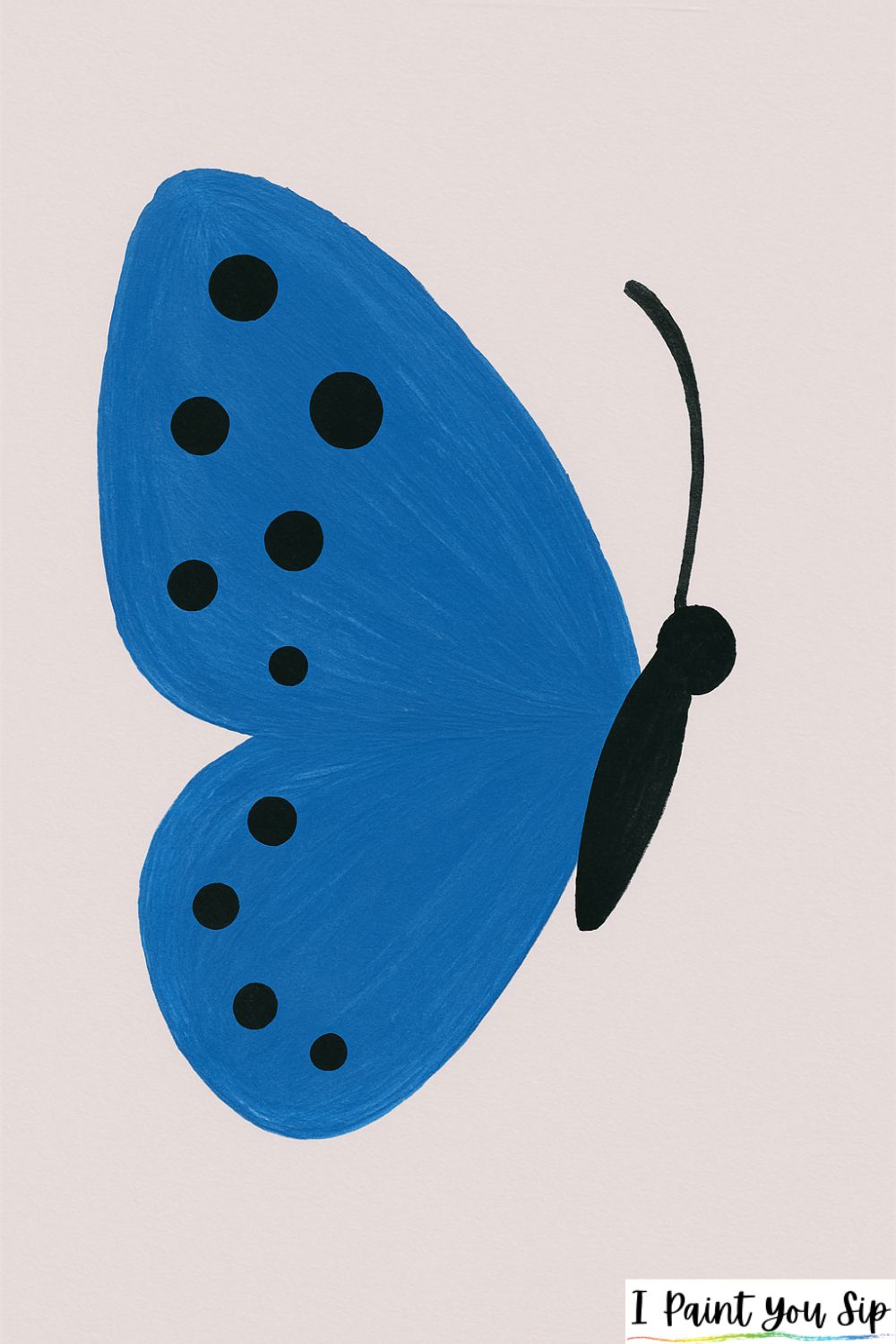
Start with one big wing shape, kind of like a stretched teardrop. Add a small oval for the body and a curved line for the antenna. Fill the wing with any color you love, then add dots or stripes. This is the easiest butterfly style and great for practicing brush control.
#2: Symmetry Fold Paint
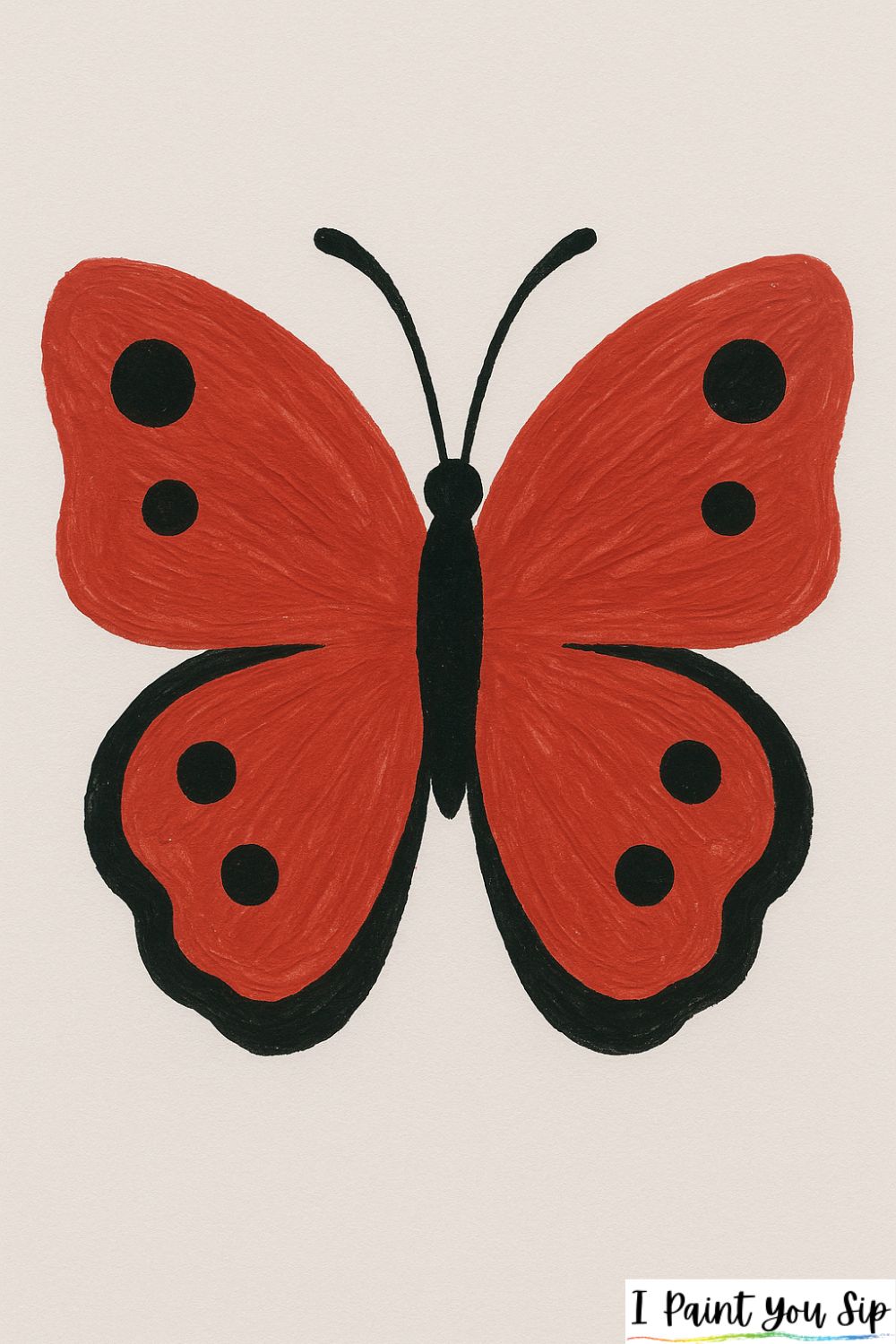
Fold your paper in half, open it, and paint half a butterfly on one side. Refold the paper and press gently. When you open it again, ta-da! a perfect symmetrical butterfly appears. Kids adore this, but adults will smile too.
#3: Dot-Pattern Wings
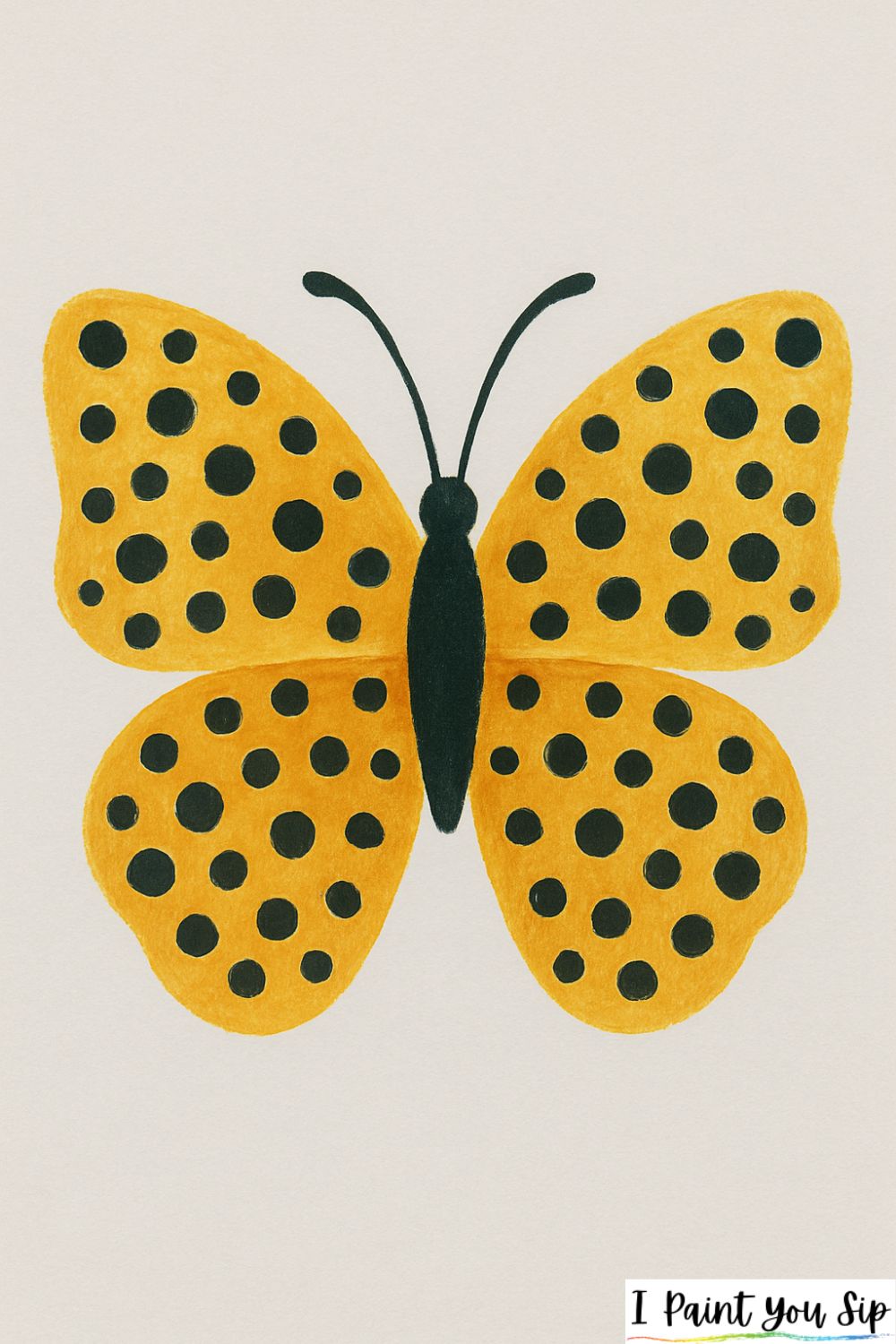
Choose a base color and then decorate the wings using dots made with a cotton swab or the back of your brush. You don’t need precision, scatter them freely. This creates a soft, dreamy look that always turns out pretty.
#4: Rainbow Butterfly
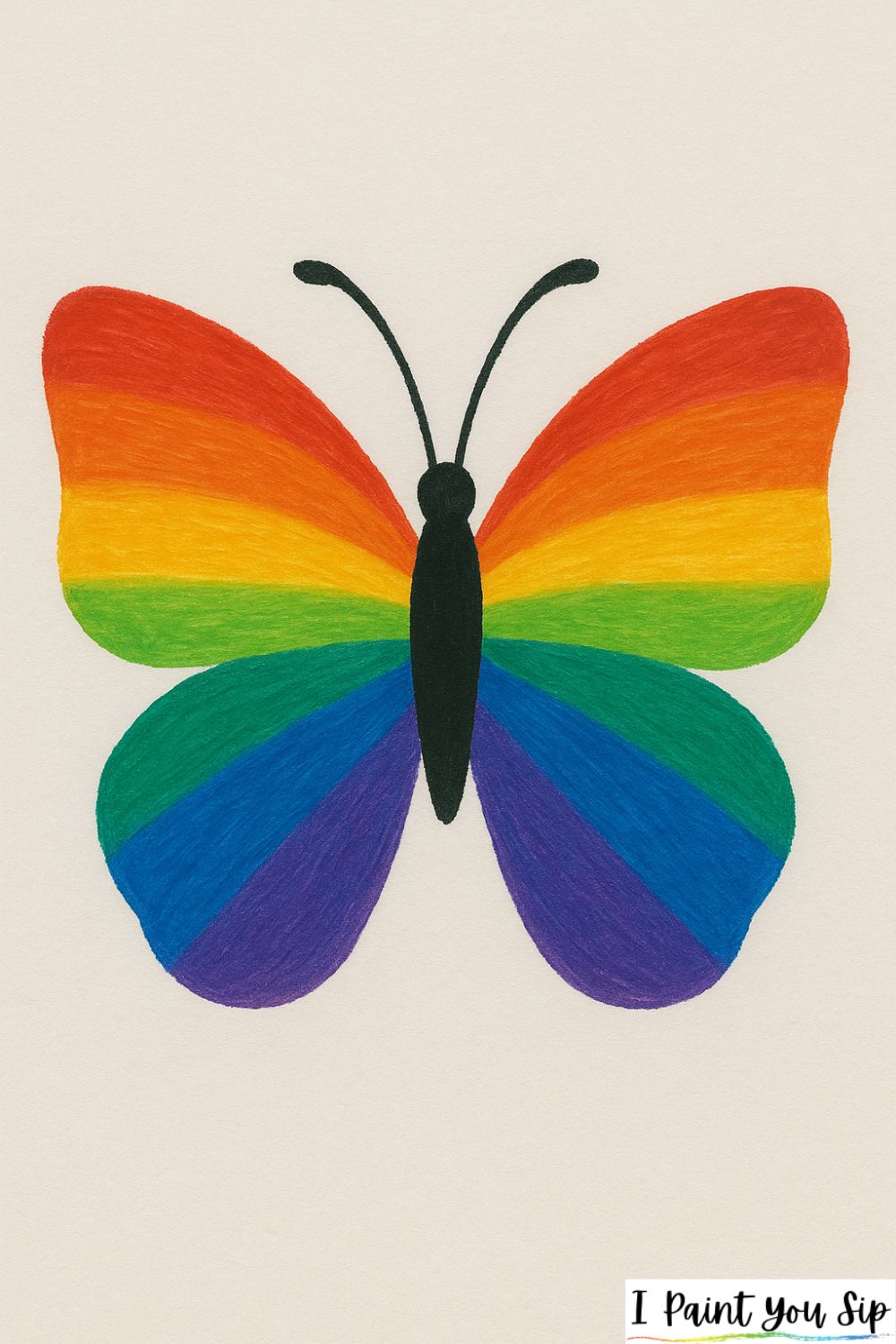
Paint the wings with stripes of rainbow colors, blending each one slightly into the next. Keep the body black to make the colors pop. This is a cheerful project that looks great on cards or journals.
#5: Black Silhouette on a Soft Background
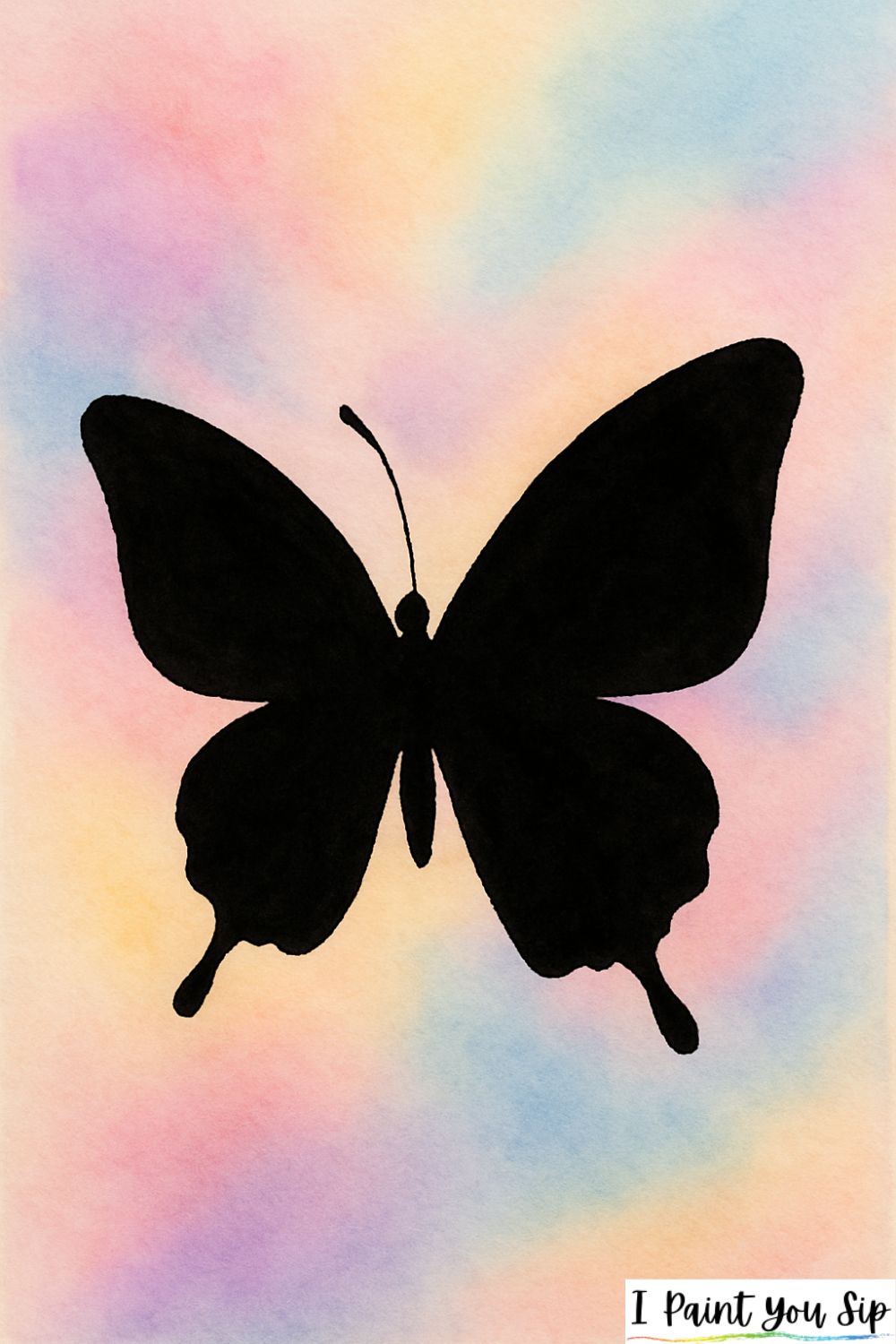
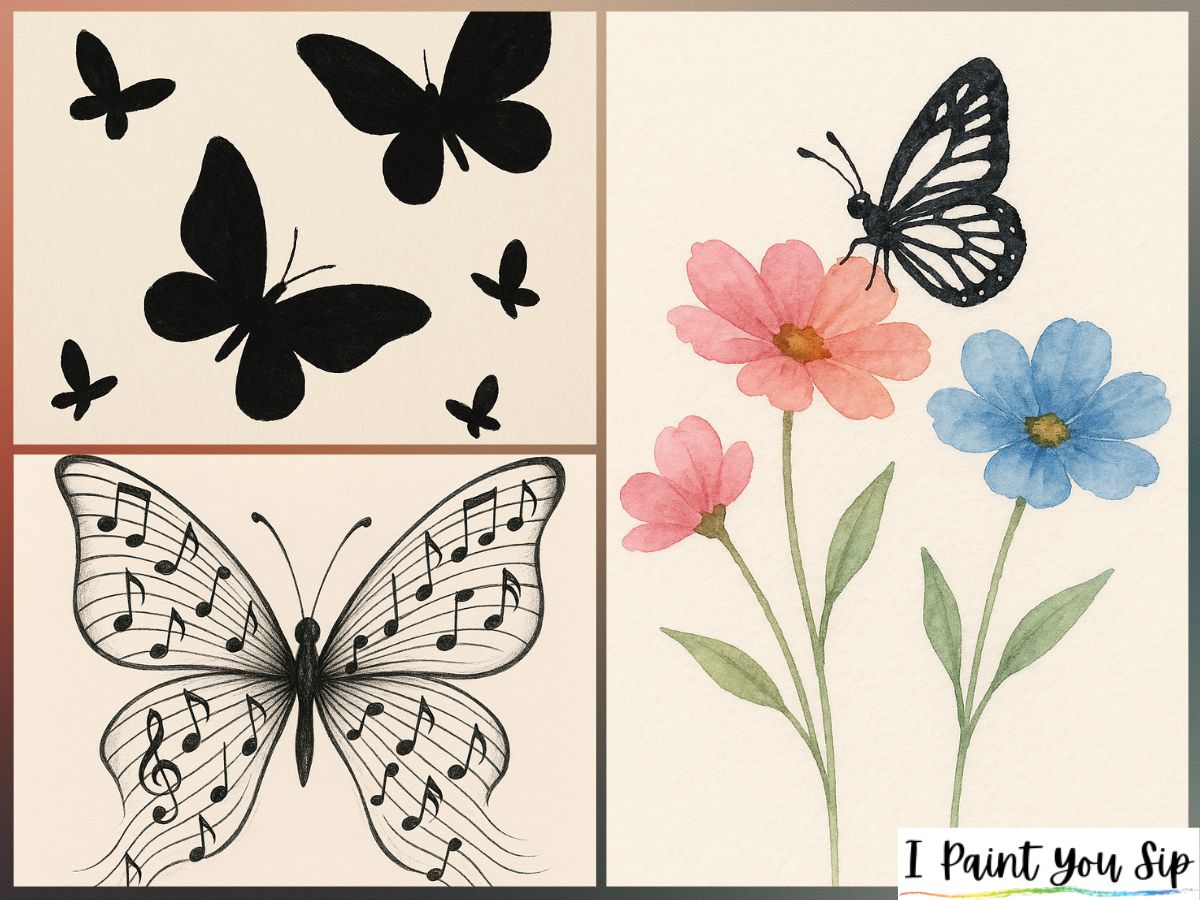
Create a wash of pastel colors, then add a simple black butterfly silhouette on top. You only need clean curves and basic wing shapes. It’s dramatic without requiring tiny details.
#6: Butterflies in Flight
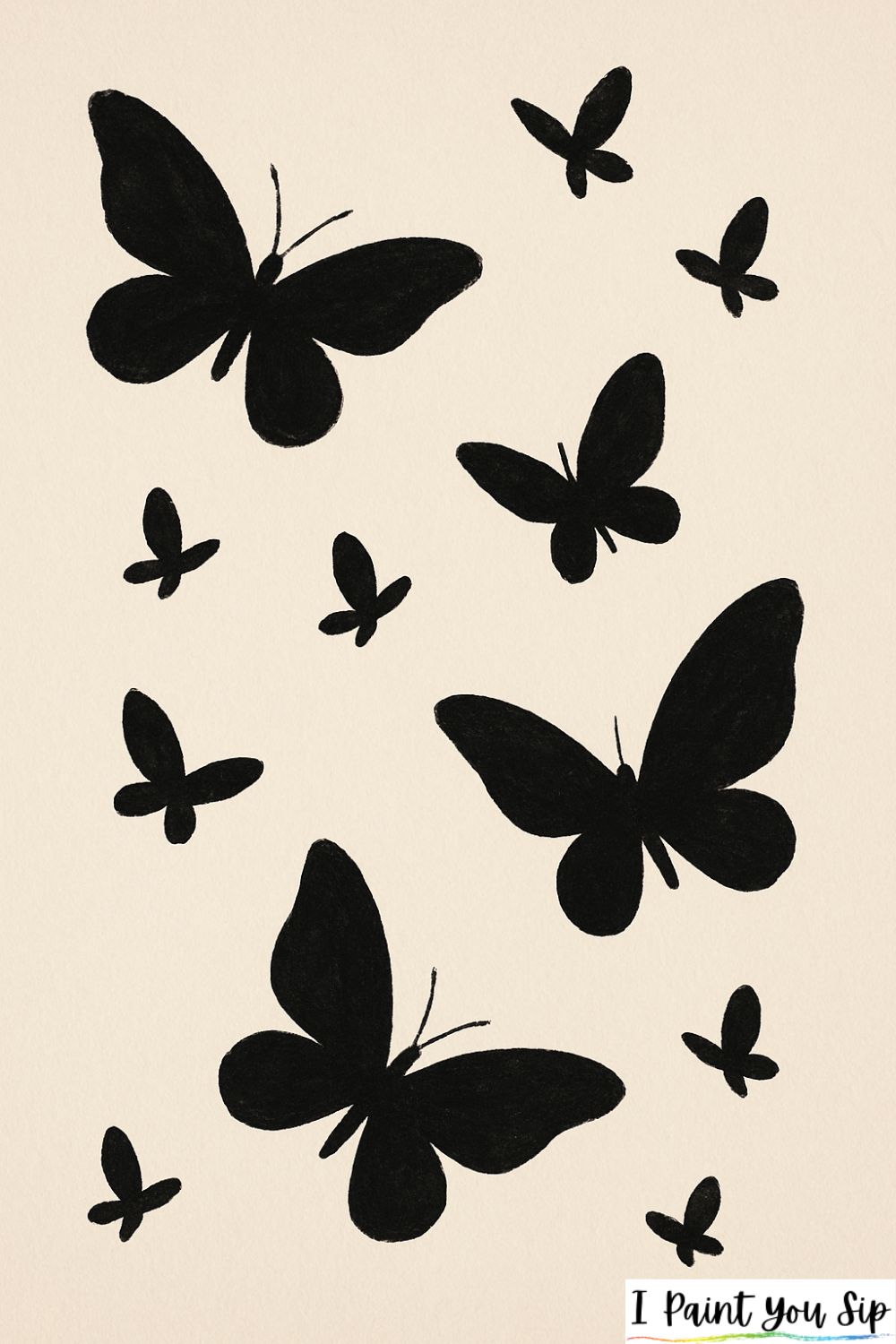
Paint several very simple butterfly shapes at different angles, some small, some large. This creates a feeling of movement across the page. Great for beginners who want something dynamic without lots of detail.
#7: Watercolor Bleed Wings
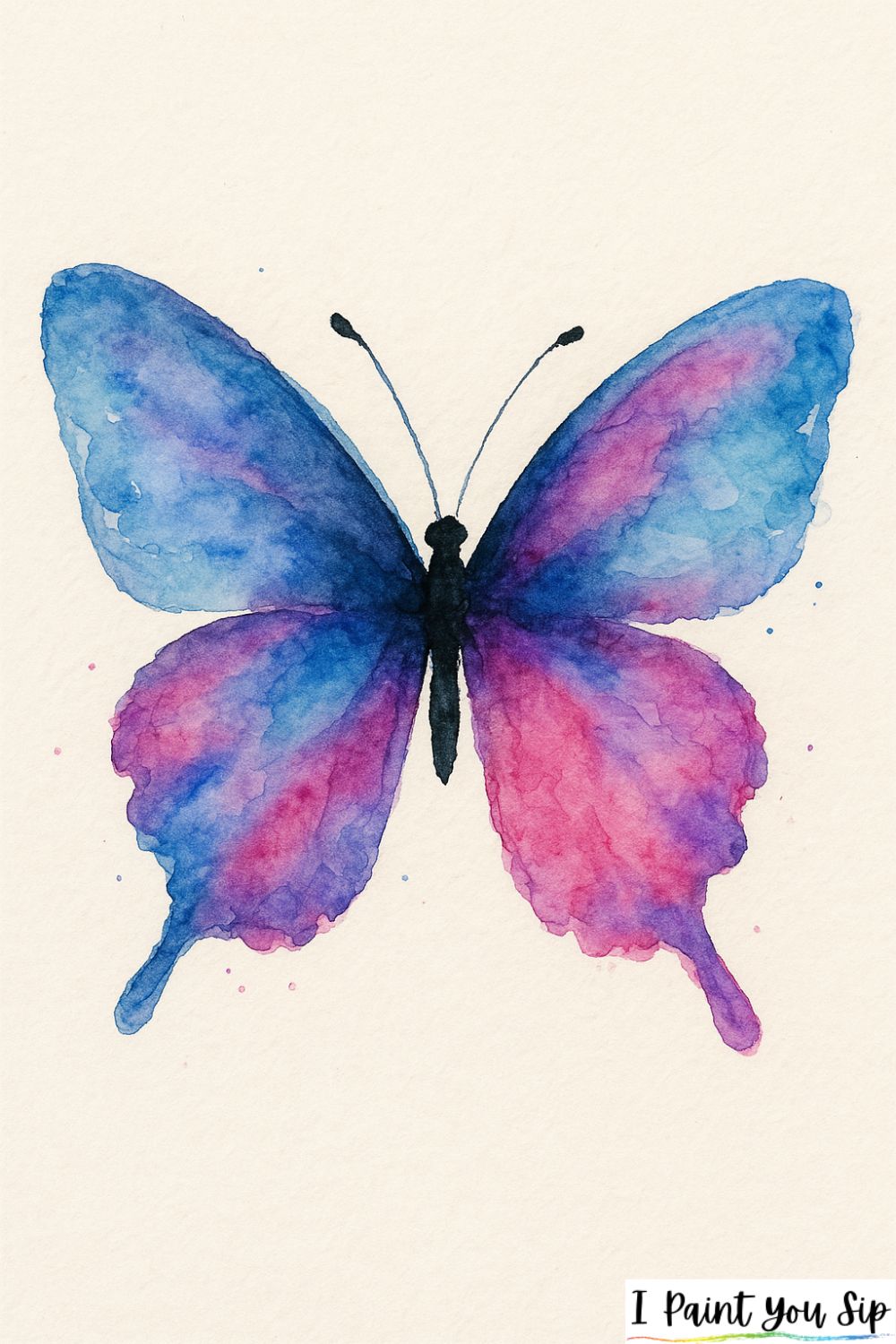
Paint the wings with watery color and let them bleed into each other naturally. Add the body after it dries. Watercolor “mistakes” actually make this one prettier, not worse.
#8: Sunset Wings
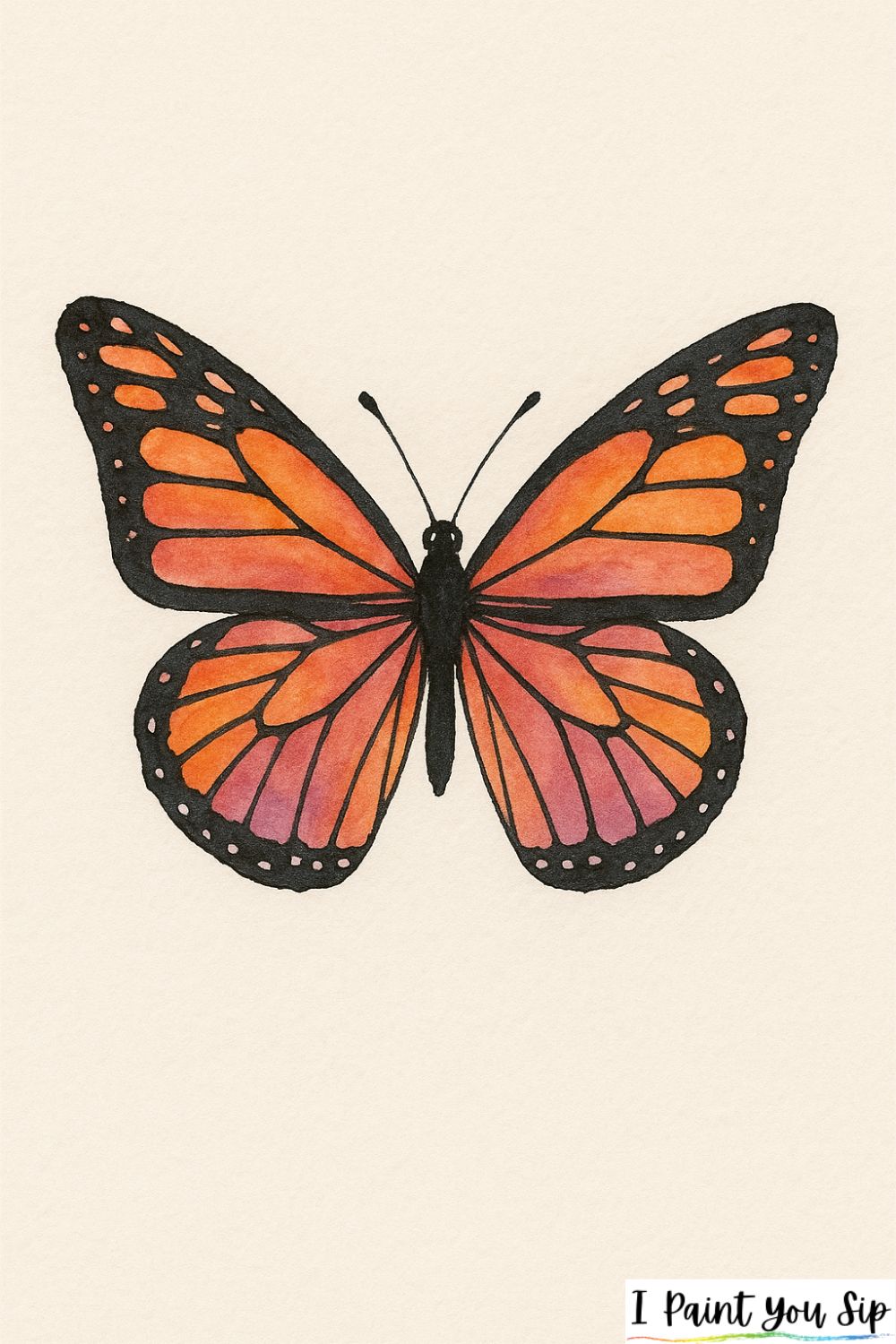
Blend sunset colors like orange, pink, and purple, onto the wings. Add thin black details once dry. The contrast looks dramatic and advanced, even though it’s beginner-friendly.
#9: Butterfly Garden Scene
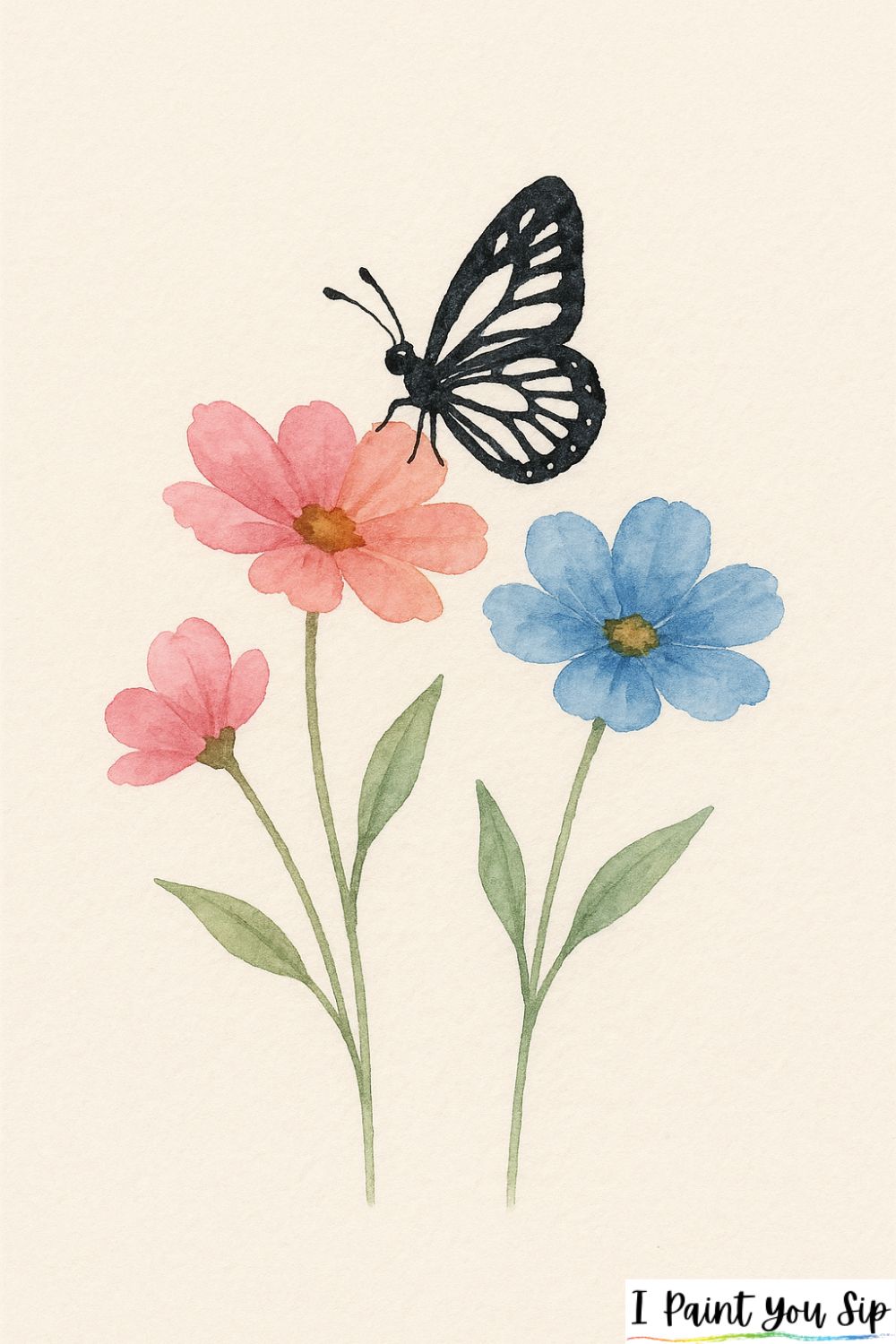
Paint a couple of simple flowers and perch a butterfly on top. Keep the butterfly small and basic. The combination of flower + butterfly adds instant charm.
#10: Geometric Butterfly
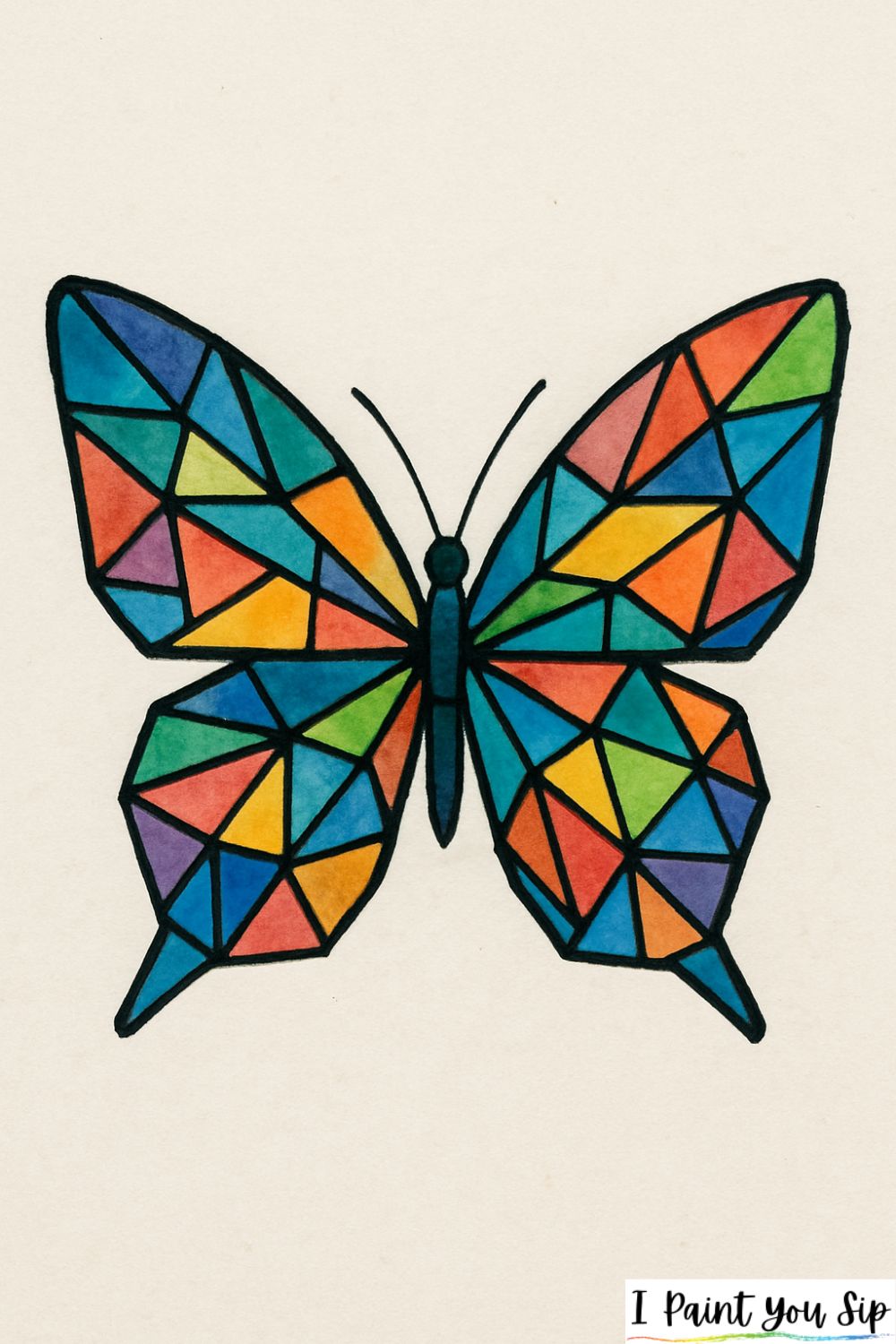
Use straight lines and triangles inside the wings. Fill each shape with a different color for a mosaic effect. It’s surprisingly easy because you don’t need curves.
#11: Whimsical Fantasy Butterfly
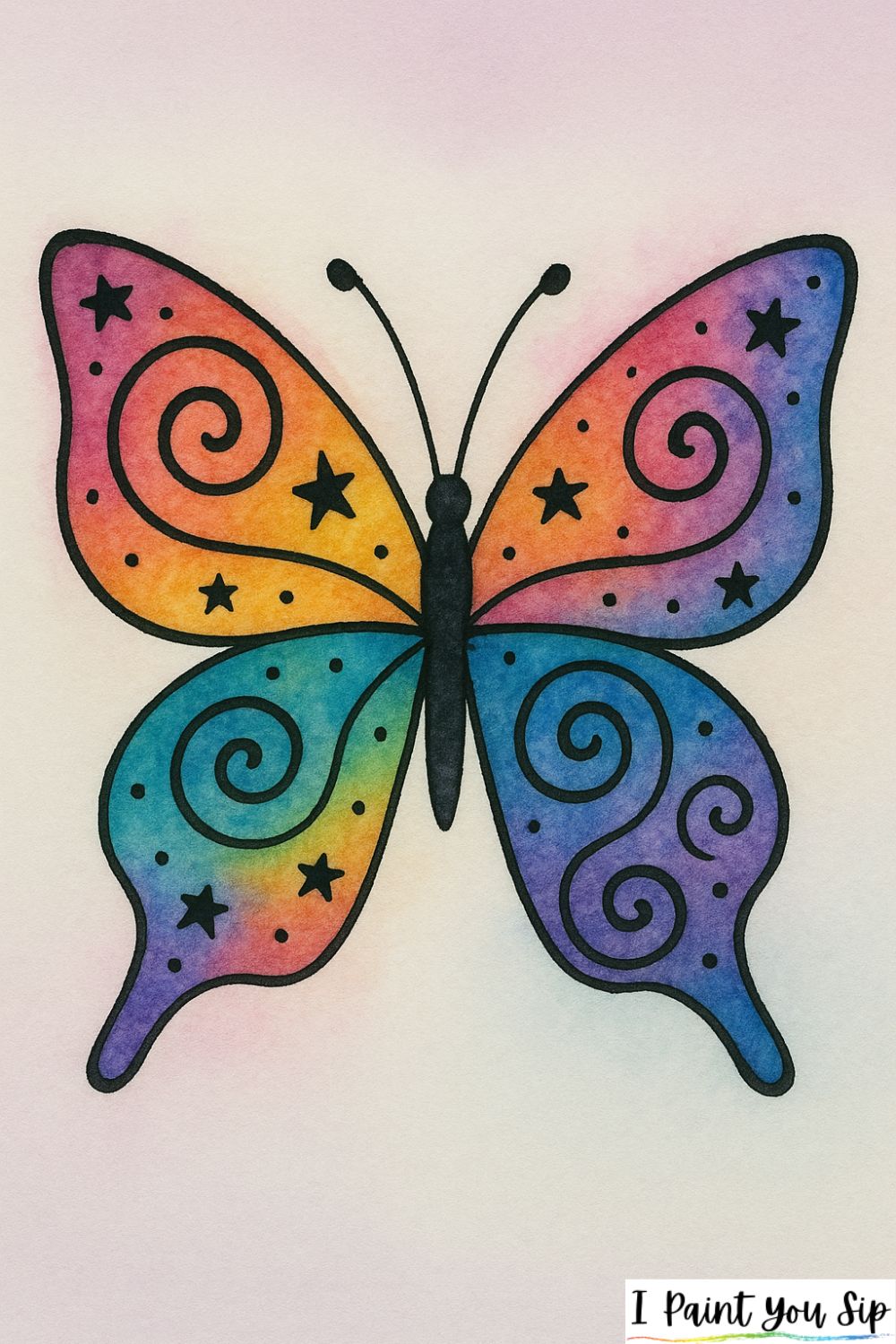
Forget realism, go wild. Add spirals, stars, swirls, or glitter dots to the wings. Choose colors that make you happy, and let your imagination take over. I love this one for relaxing painting nights.
#12: Metallic Accent Wings
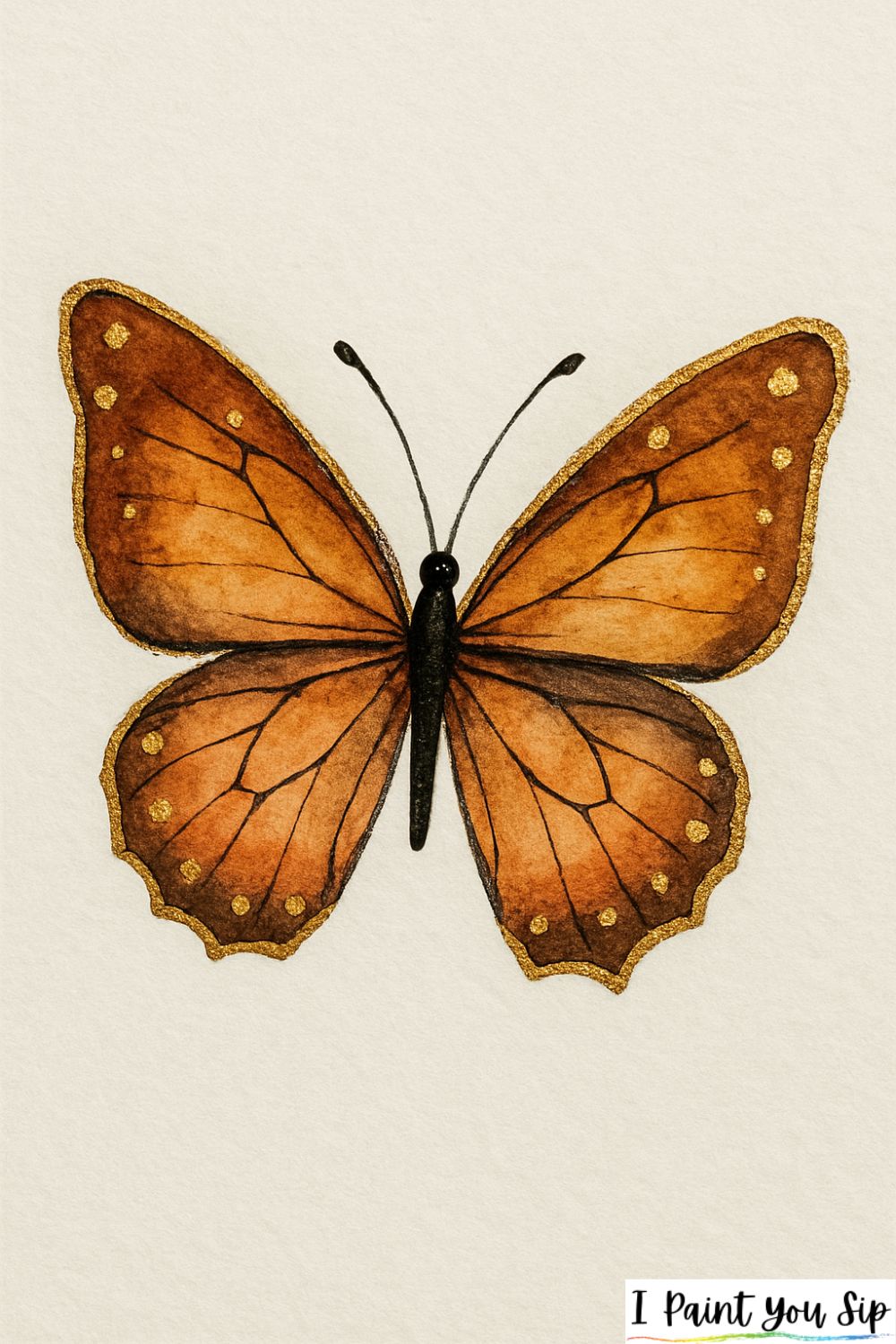
Use metallic paint (gold, bronze, or silver) to highlight the edges or dots on the wings. Even a tiny bit makes the butterfly feel elegant and special.
#13: Negative-Space Butterfly
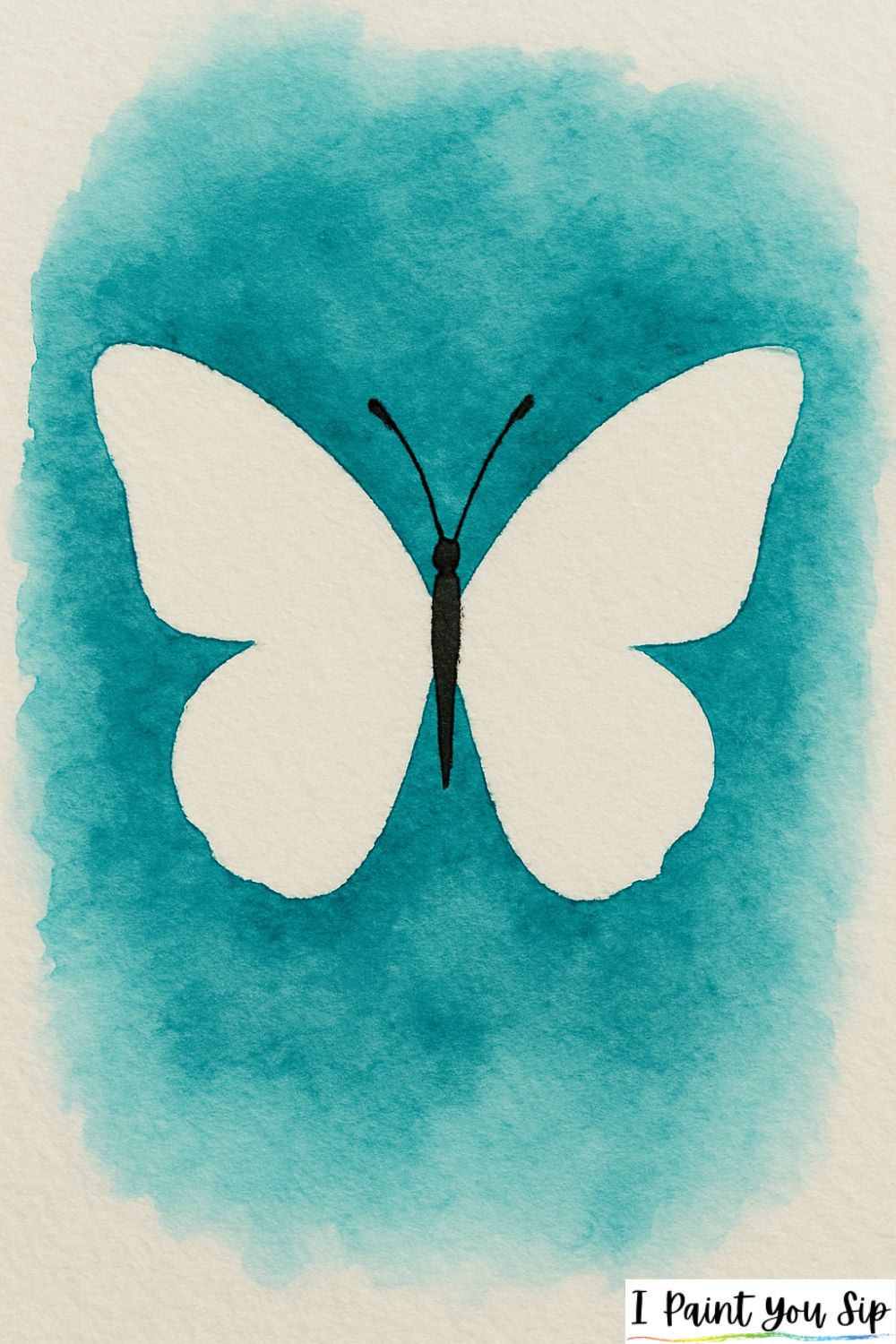
Paint around the butterfly shape instead of inside it. Just sketch a simple outline and fill the outside with color. When you lift your brush, a clean, crisp butterfly shape appears.
#14: Butterfly Shadow Cluster
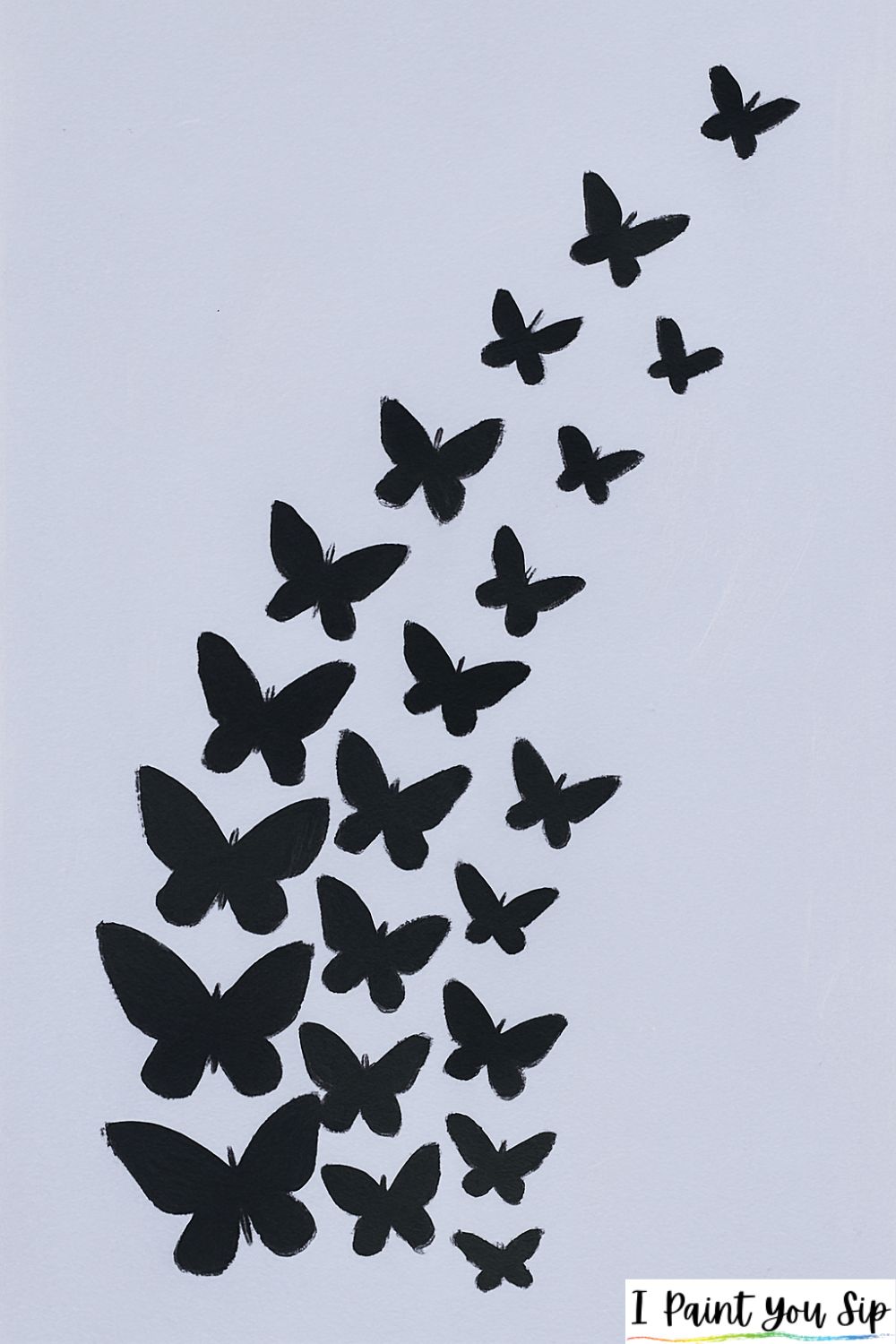
Paint a cluster of small, dark butterfly silhouettes flying upward. It looks like movement and emotion all in one. You can do this with just one brush and one color, super beginner-friendly.
#15: Pastel Ombre Wings
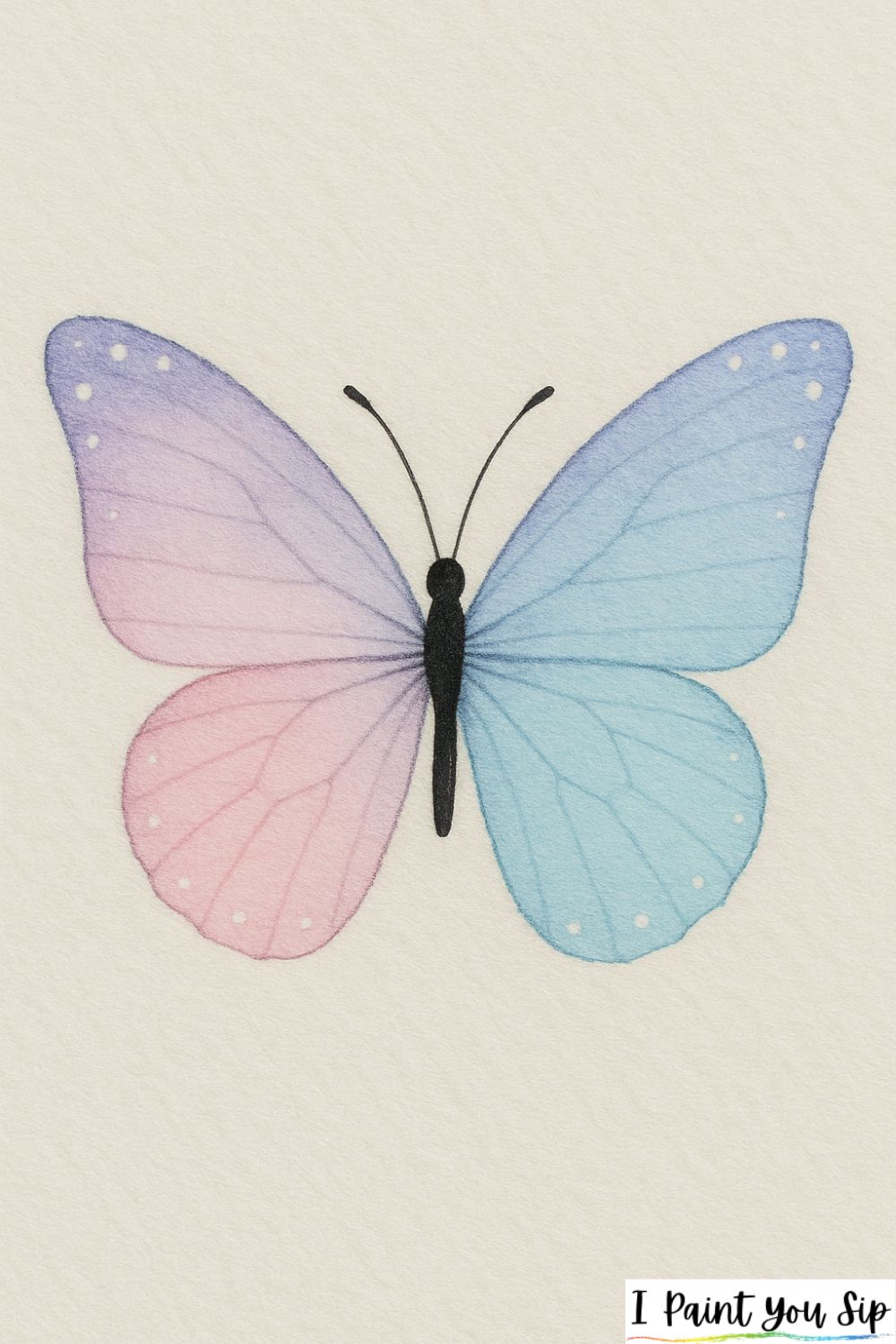
Blend pastel shades from one wing edge to the other, light to dark. Add soft white dots along the wing tips. It’s gentle, calming, and great for practicing blending.
#16: Stone or Rock Butterflies
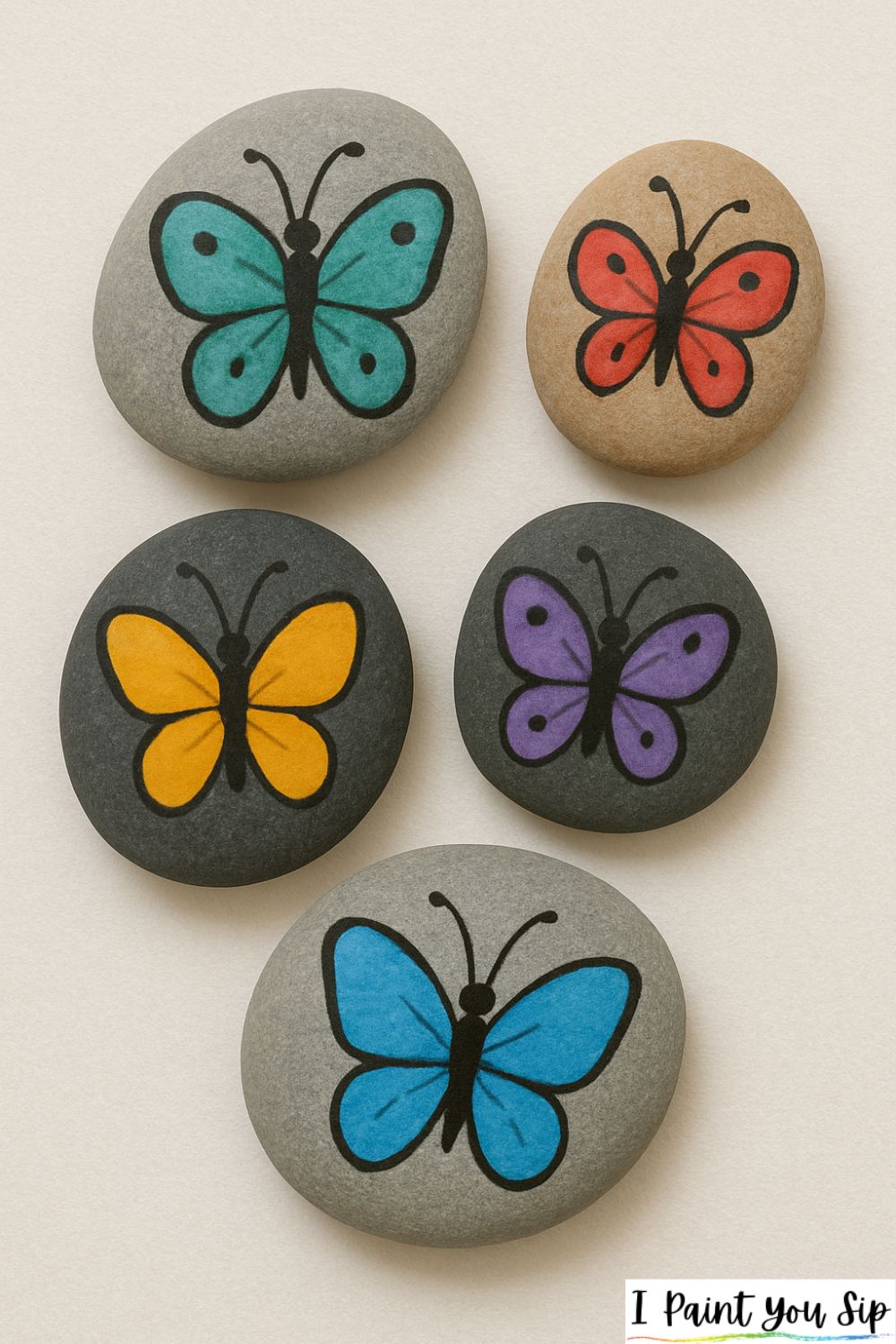
Paint butterflies on smooth stones using simple shapes and bright colors. These make adorable garden decorations or gifts. Acrylics work best here.
#17: Monarch-Inspired Butterfly
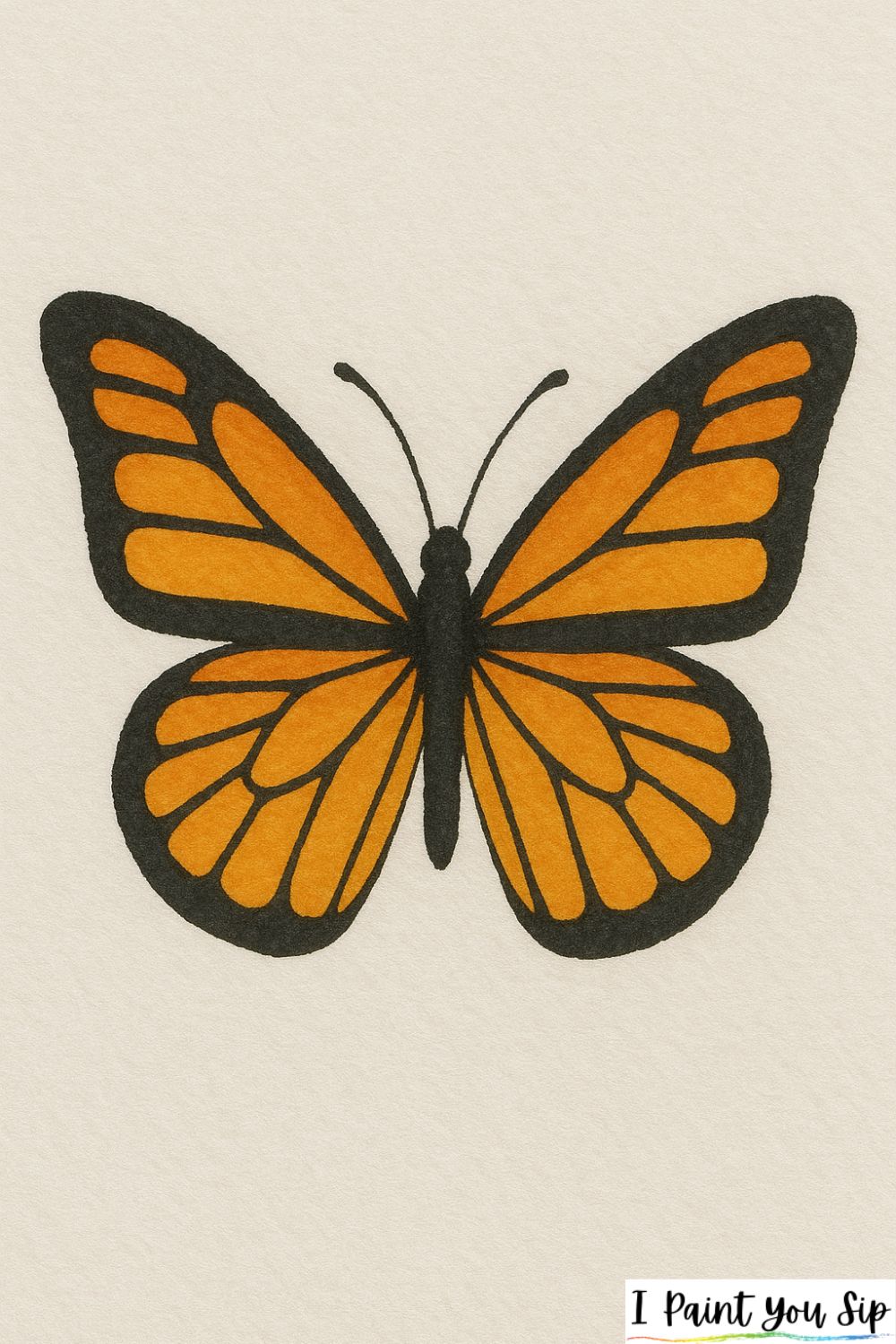
Paint the classic orange and black pattern but simplify it! You can skip the tiny white dots or keep just a few. Even a loose idea of a monarch looks beautiful.
#18: Garden-Inside-the-Wings Butterfly
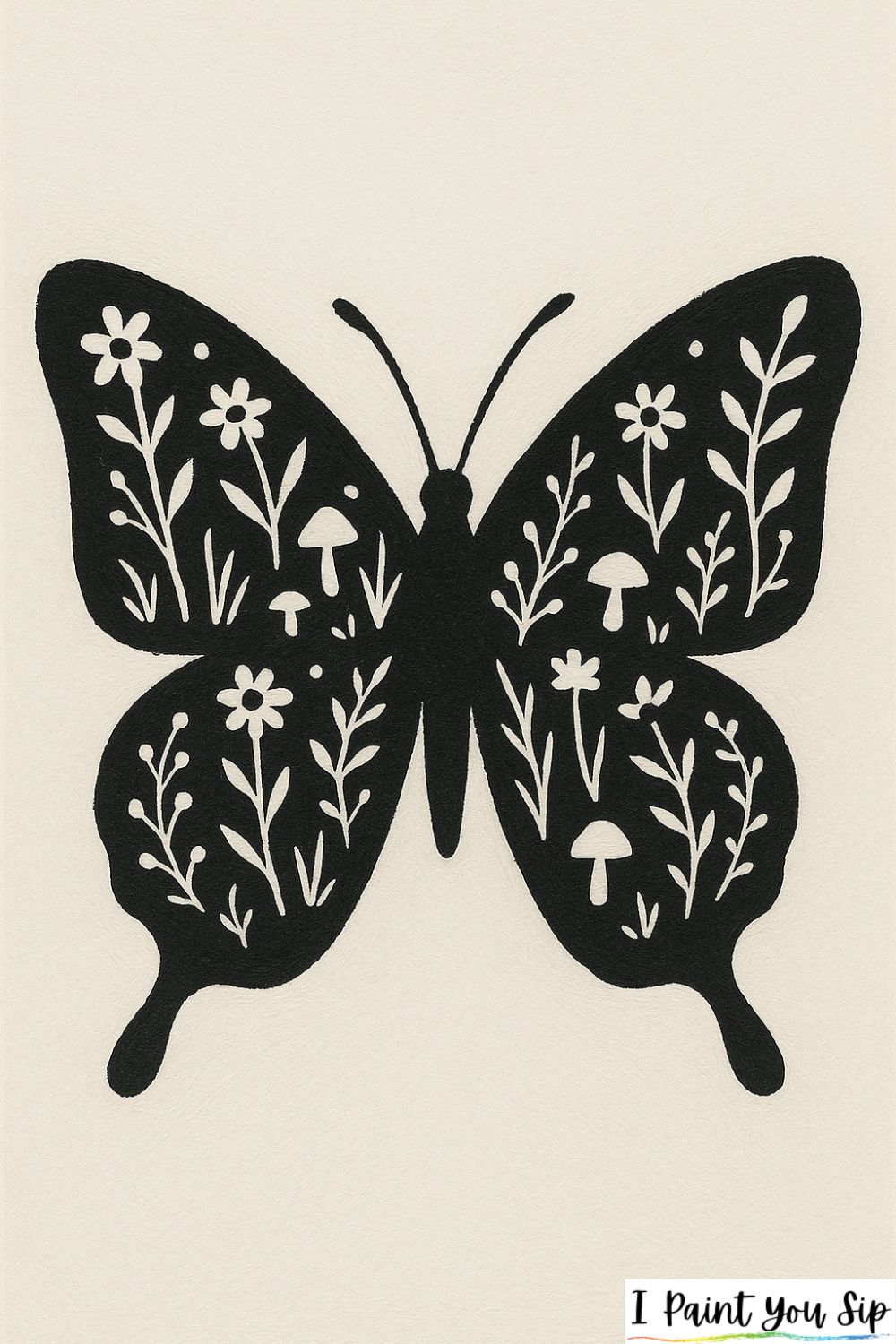
Instead of filling the wings with patterns, paint miniature garden scenes inside them, little daisies, grass blades, tiny mushrooms, or vines. Keep the shapes small and simple. It turns the butterfly into a magical window to nature. Beginners love this because the tiny doodles are easy and forgiving.
#19: Music Note Butterfly
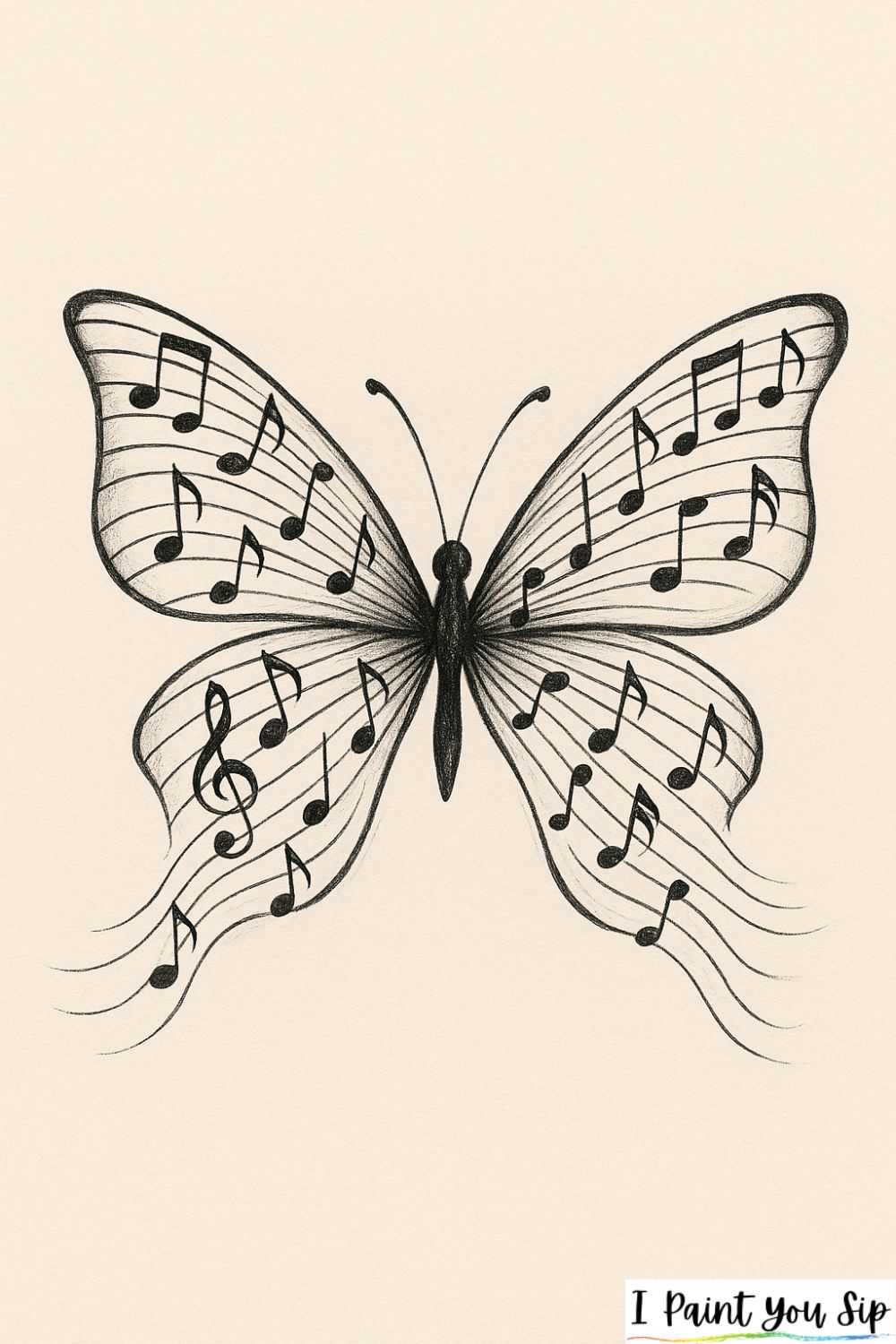
Turn the wings into flowing musical notes and soft staff lines. You don’t need perfect notation, just gentle curves, dots, and little symbols. It gives the butterfly a dreamy “floating melody” feel. Perfect for music lovers or as a gift for someone who plays an instrument.
Conclusion
Butterfly painting is one of those projects that grows with you. You can start simple one wing, one color and gradually explore bolder lines, new patterns, or richer blends. The best part is that there’s no “right” way for a butterfly to look. They’re naturally unique, which means your painting can be too.
If something feels tricky, take a breath, shake out your shoulders, and try again. Mistakes become texture. Smudges become background color. And every brushstroke teaches you something new.
Once you’ve tried a few of these ideas, you might enjoy exploring dragonflies, birds, flowers, or even abstract color play. Creativity is a muscle, the more you use it, the stronger it gets.
So grab your paints, trust your hands, and let your imagination take flight. You’ve got this and your butterflies are going to be beautiful.

Jessie has a passion for bringing people together through creativity and socializing. She has organized many painting events that have left guests with lasting memories and new friendships. She’s also been to various sip events to unleash her own creativity and connect with like-minded individuals.