
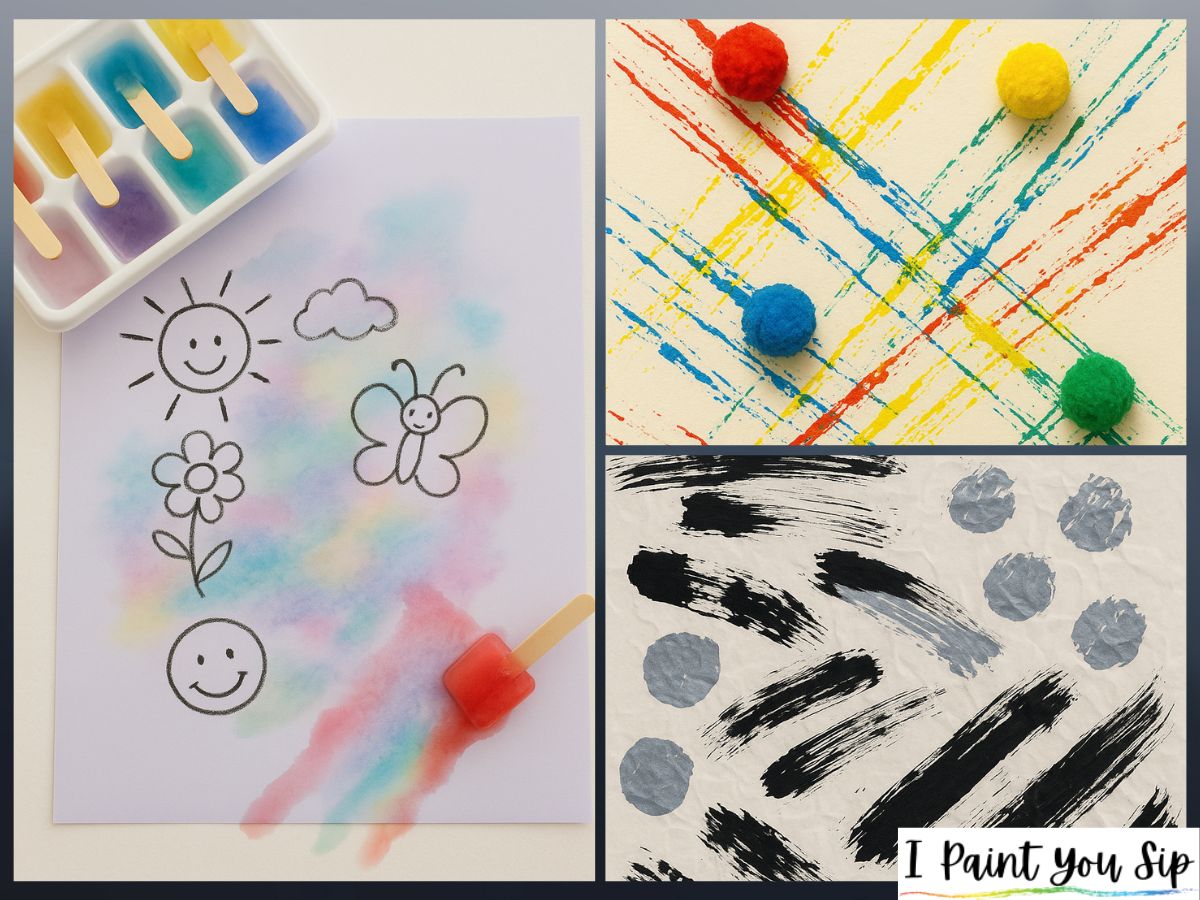
If you’ve ever handed a toddler a paintbrush and watched them immediately paint their own arm or the table, you’re not alone. Toddler painting is an adventure all by itself. But the best part? It doesn’t have to be messy chaos (well… not only chaos) to be creative and meaningful. With the right ideas, a little setup, and a “let’s-have-fun” attitude, painting with toddlers becomes a joyful mix of color, discovery, and adorable surprises.
Even if you’re not crafty, these projects are truly beginner-friendly. Toddlers don’t need perfect lines or Pinterest-perfect results, they’re here to explore texture, movement, squishiness, and color. And honestly, that’s where the magic happens. So whether you’re a parent, teacher, babysitter, grandparent, or just someone who loves simple DIY fun, you’re in the right place.
Keep reading for super easy, playful painting ideas that encourage creativity and keep the stress low. You and your little artist are about to have a wonderful time together.
Key Takeaways
- Toddlers learn best through play, painting is a sensory playground.
- These ideas use simple materials you already have at home.
- There’s no pressure for perfection, just exploration and joy.
- Most projects take less than 10 minutes to set up.
- Easy clean-up options are built right into the activities.
#1: Bubble Wrap Stomp Painting
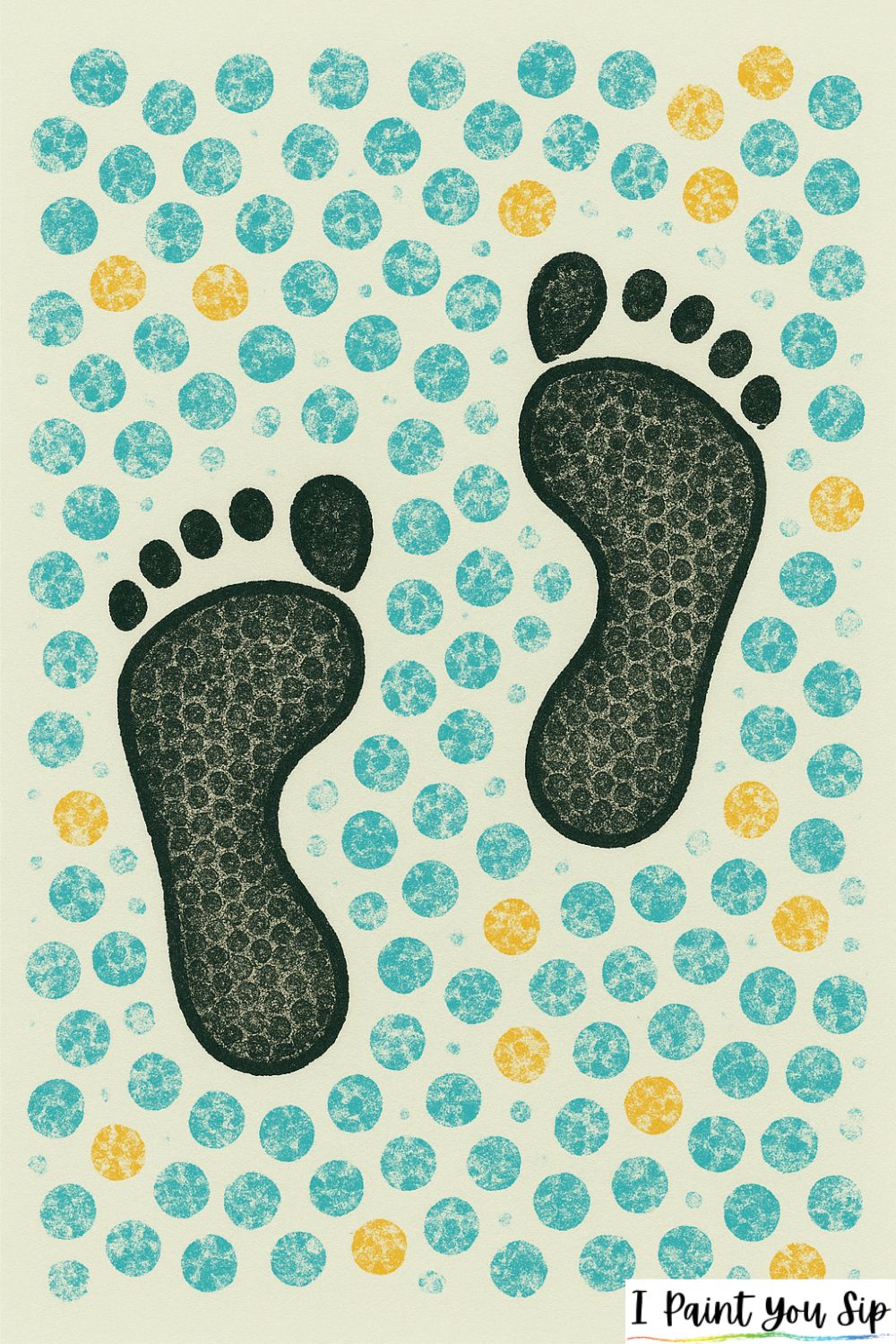
Tape a piece of bubble wrap to your toddler’s feet and let them stomp onto a paper-covered floor. The bubbly texture creates magical dot patterns with every step. Use washable paints, and only one or two colors at a time to keep things from turning muddy. This one always gets giggles, especially when they notice their footprints disappear into a sea of dots.
#2: Cotton Ball Dab Painting
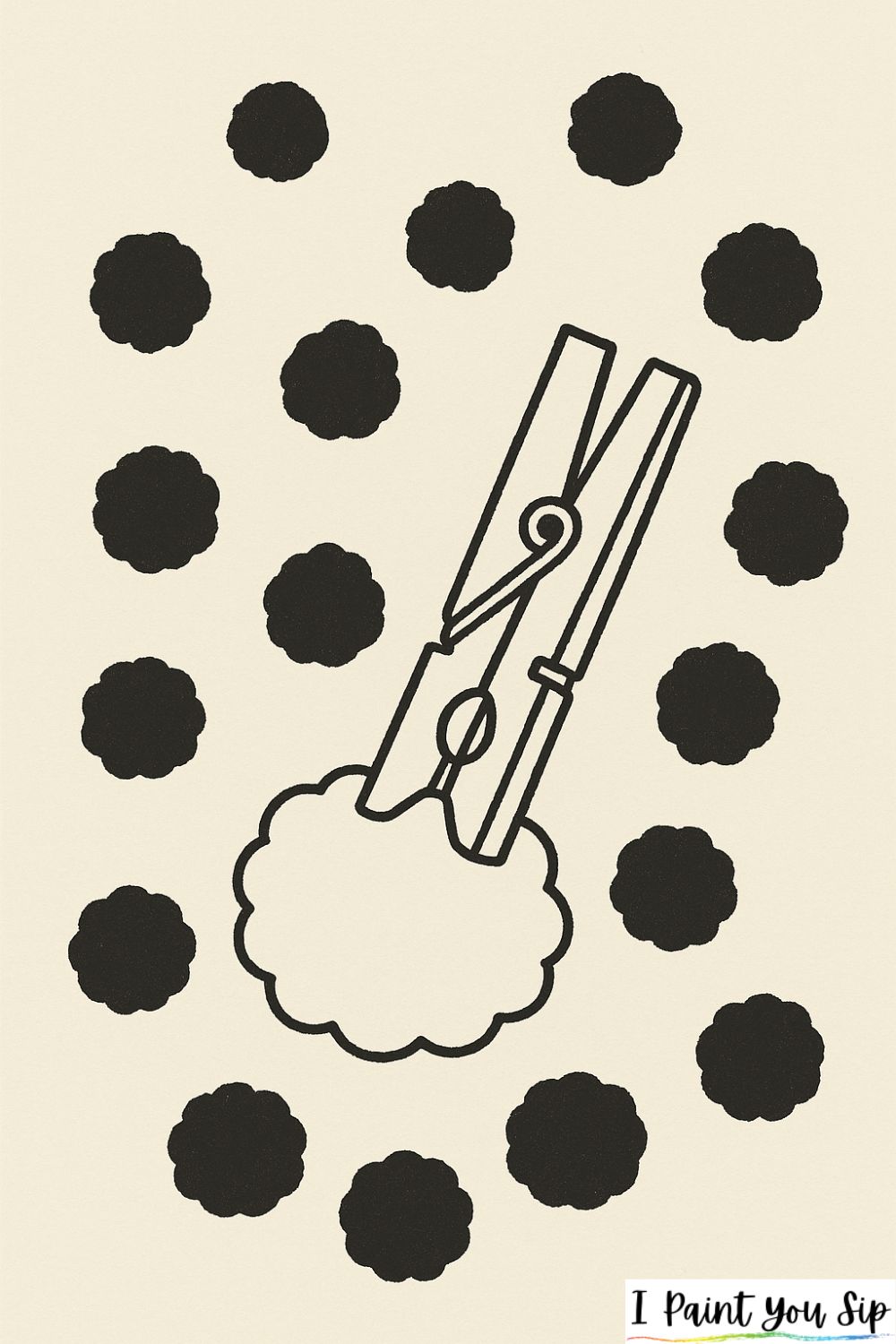
Hand your toddler a clothespin with a cotton ball clipped inside. It becomes a mini dabbing tool that’s easy for little hands to hold. Let them gently tap it into paint and then onto the paper. The soft, fluffy texture creates cloud-like spots that look cute no matter what. A great low-pressure option for super young painters.
#3: Toy Wheel Tracks
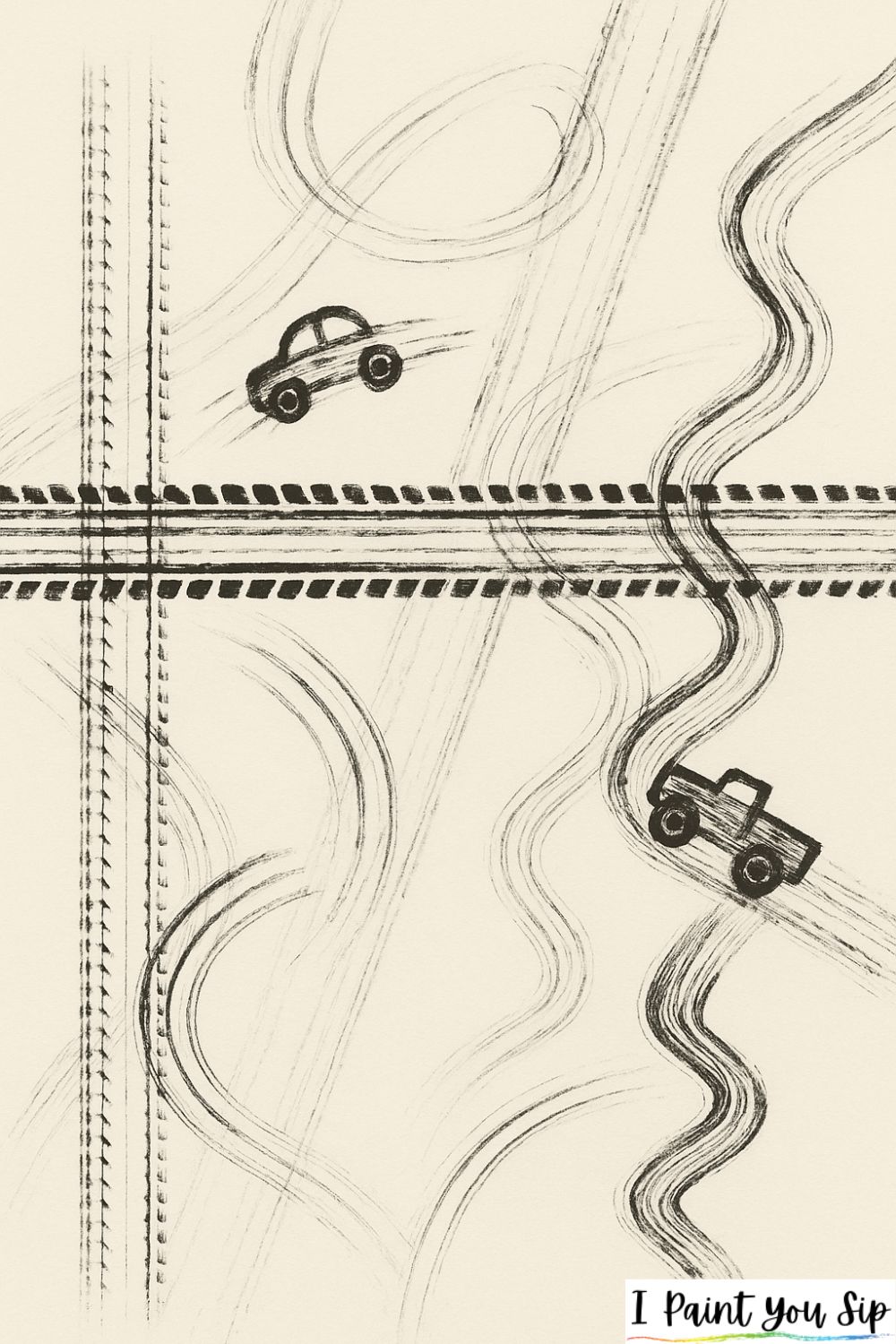
Dip toy car wheels into paint and roll them across paper. Your toddler will love watching the “roads” appear. Use a few sizes of cars or trucks for extra variety, thin stripes, wide tracks, zigzag curves. It’s a great way to combine art and play, and it’s fun to say, “Let’s drive through the rainbow!”
#4: Fingerprint Dots
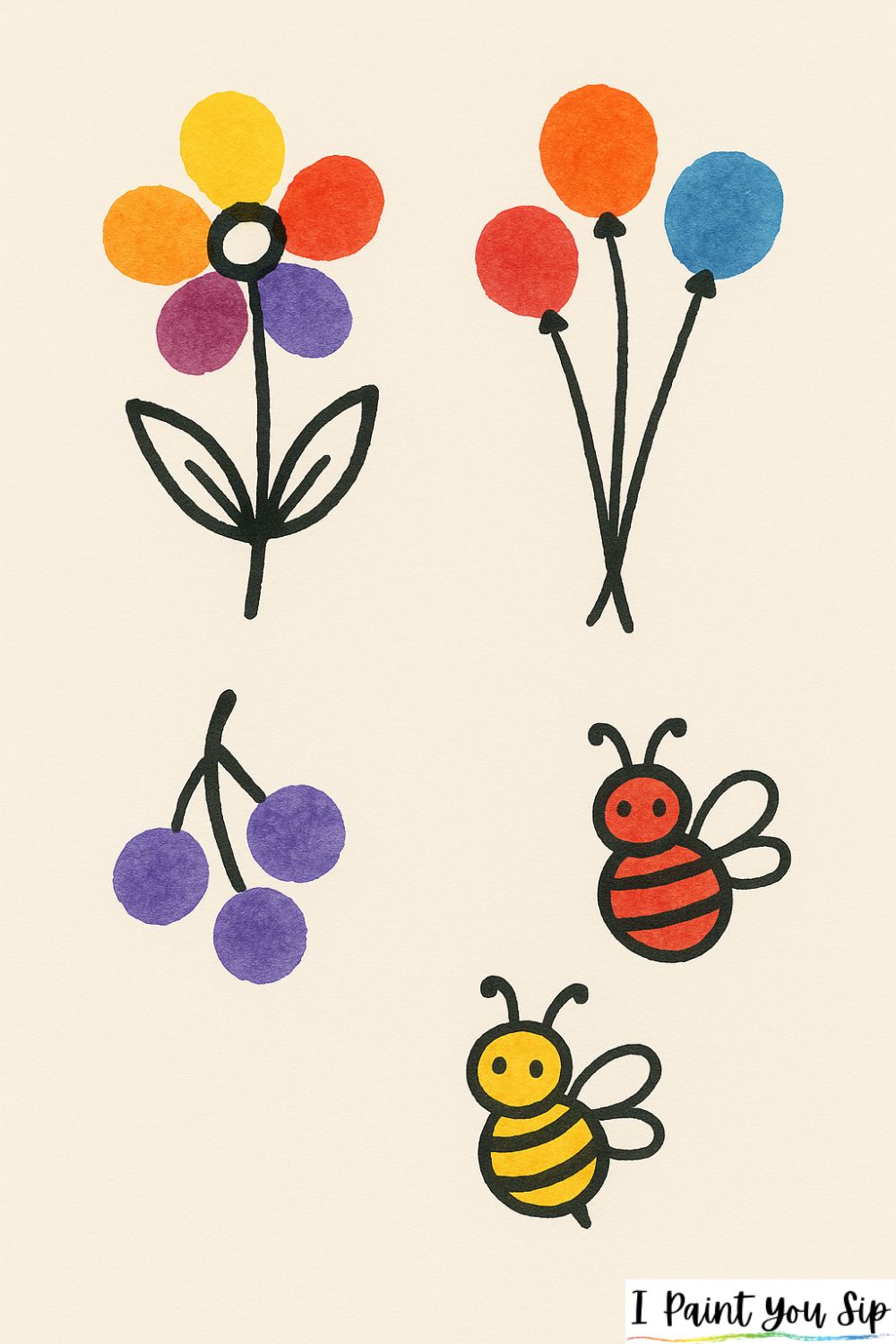
Toddlers adore finger painting, and this version keeps it simple. Press little fingertips into paint and then onto the page to make colorful dots. These can grow into flowers, balloons, berries, whatever your child imagines. This idea is perfect for fine motor practice and creates surprisingly cute keepsakes.
#5: Sponge Shape Stamps
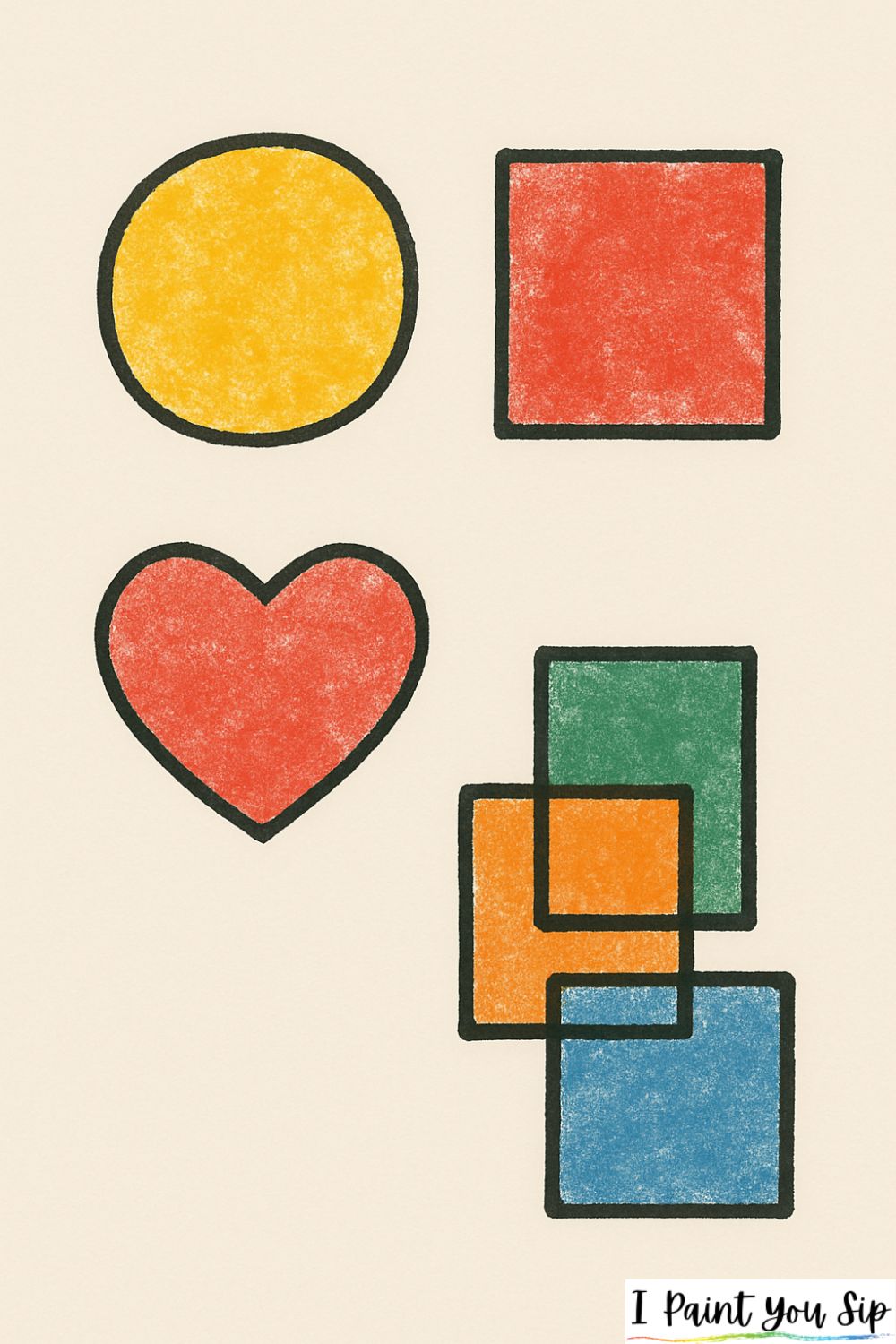
Cut a kitchen sponge into simple shapes like circles, squares, or hearts. Dip them lightly in paint and stamp away. Toddlers love the “pop!” feeling when the sponge lifts off the paper. Rotate shapes, stack them, or mix colors. If the shapes get mixed up? That’s part of the charm.
#6: Paper Plate Smush Painting
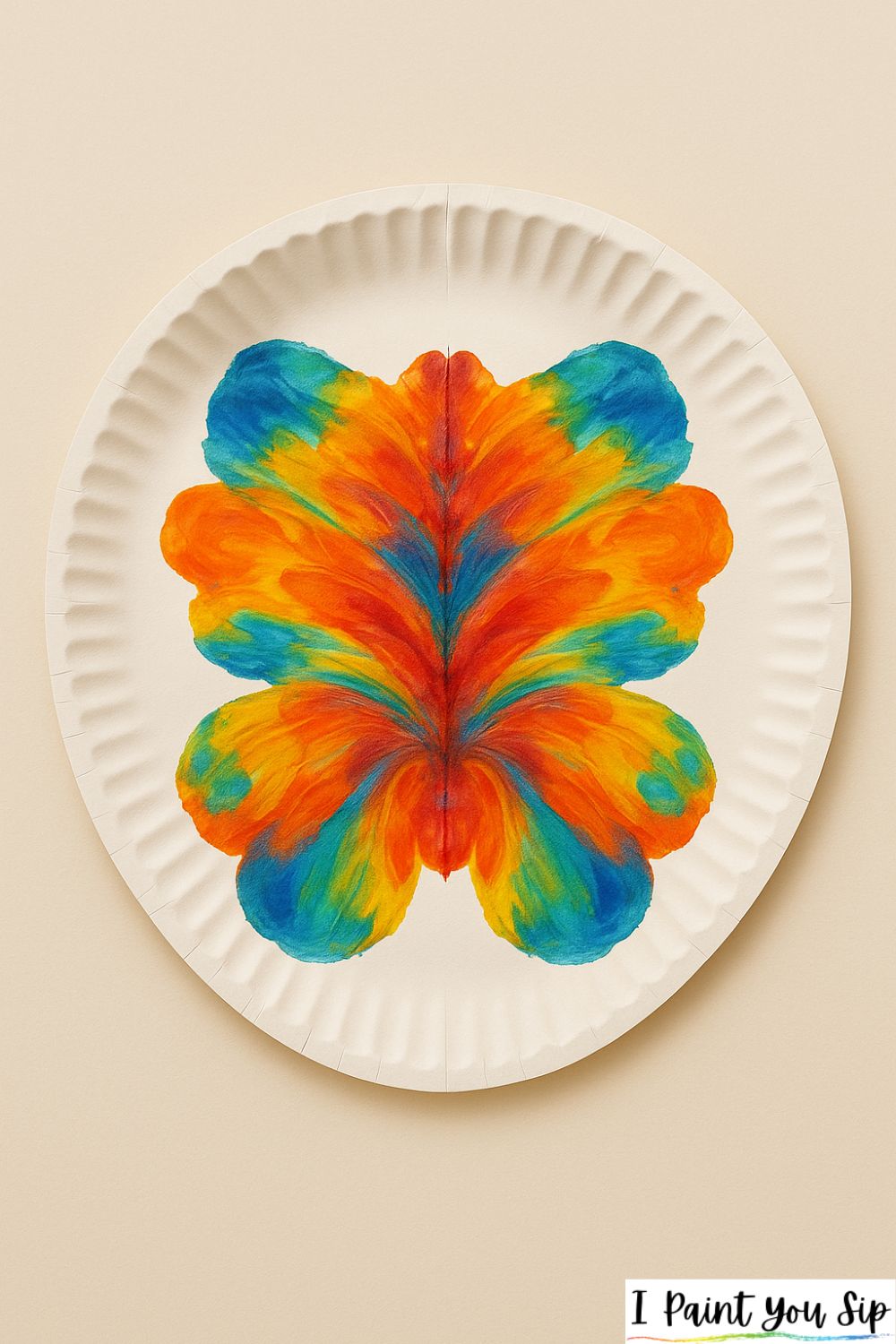
Drop a few blobs of paint onto a paper plate, fold it in half, and let your toddler press, pat, and smush. When you open it, tada! a colorful symmetry design appears. It’s fast, mess-friendly, and toddlers are amazed by the “reveal moment.”
#7: Nature Brush Painting
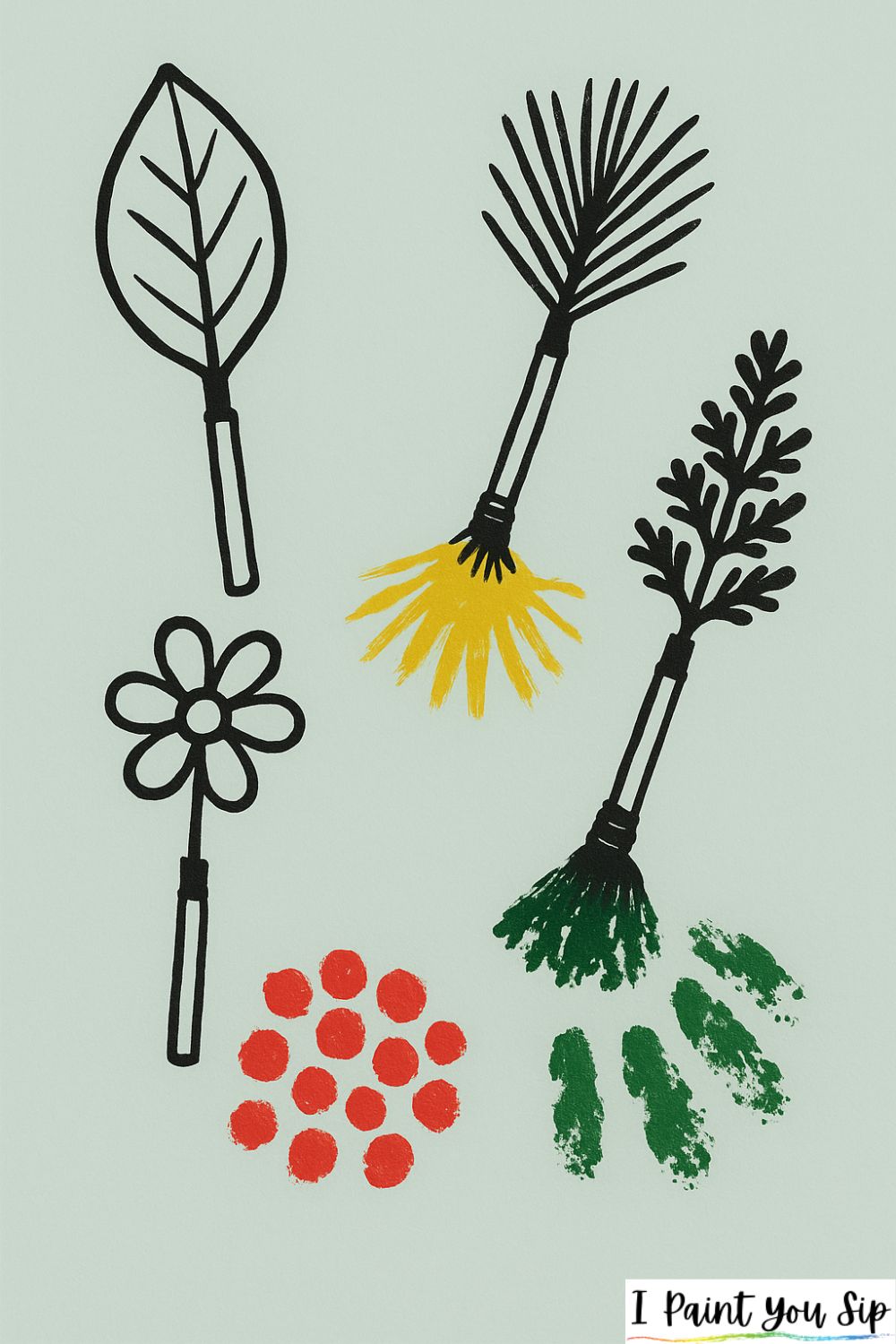
Go on a mini nature walk and collect sturdy leaves, pine needles, or flowers. Tape or rubber-band them to sticks to make homemade brushes. Dip these natural “brushes” in paint and let kids explore the different marks they make. It’s eco-friendly art and sensory play rolled into one.
#8: Pom-Pom Roll Painting
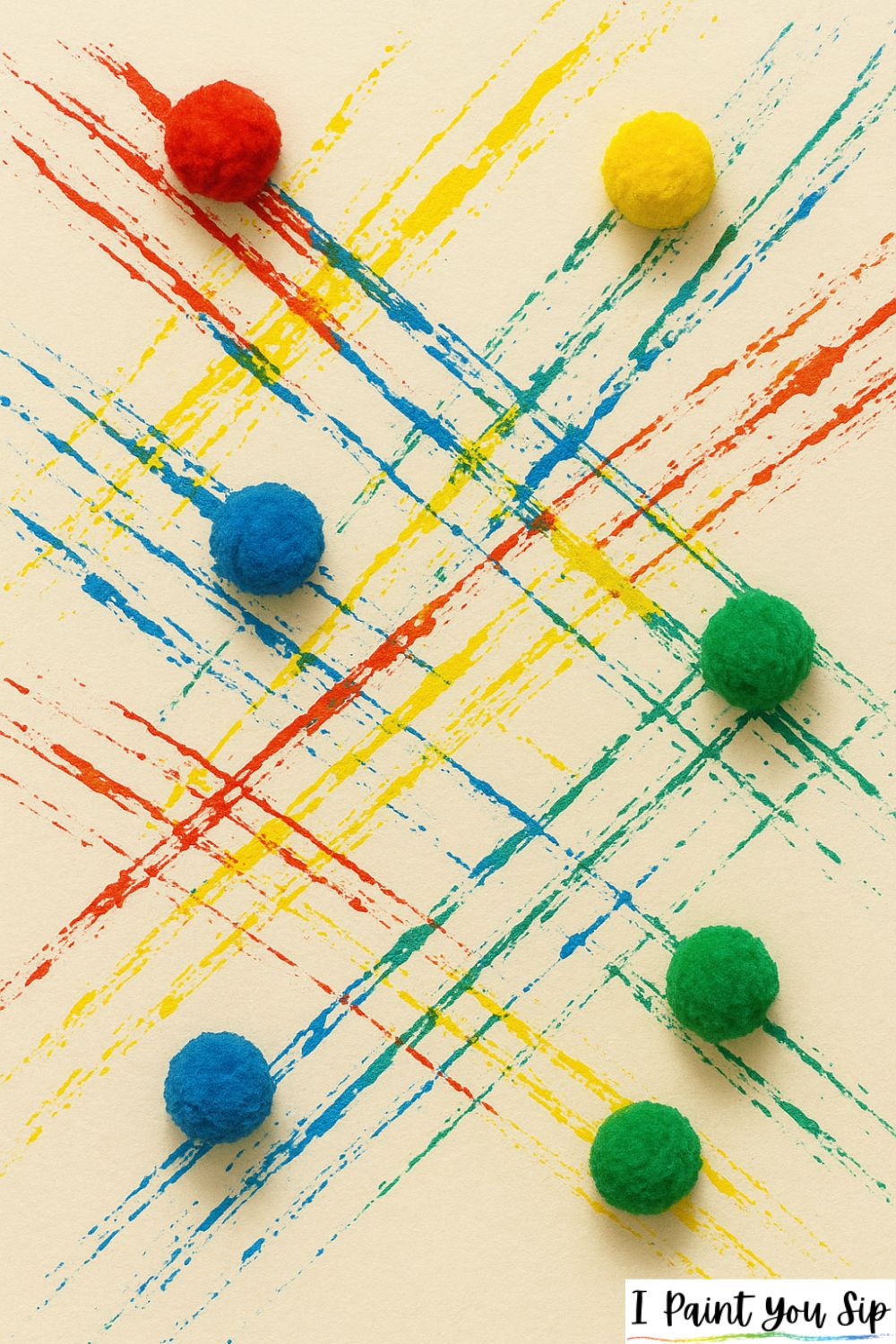
Place a few pom-poms in a shallow box with paper. Add drops of paint, then gently shake or tilt the box. The pom-poms roll around leaving colorful paths. This idea contains the mess beautifully and is great for toddlers who love cause-and-effect play.
#9: Ice Cube Paints
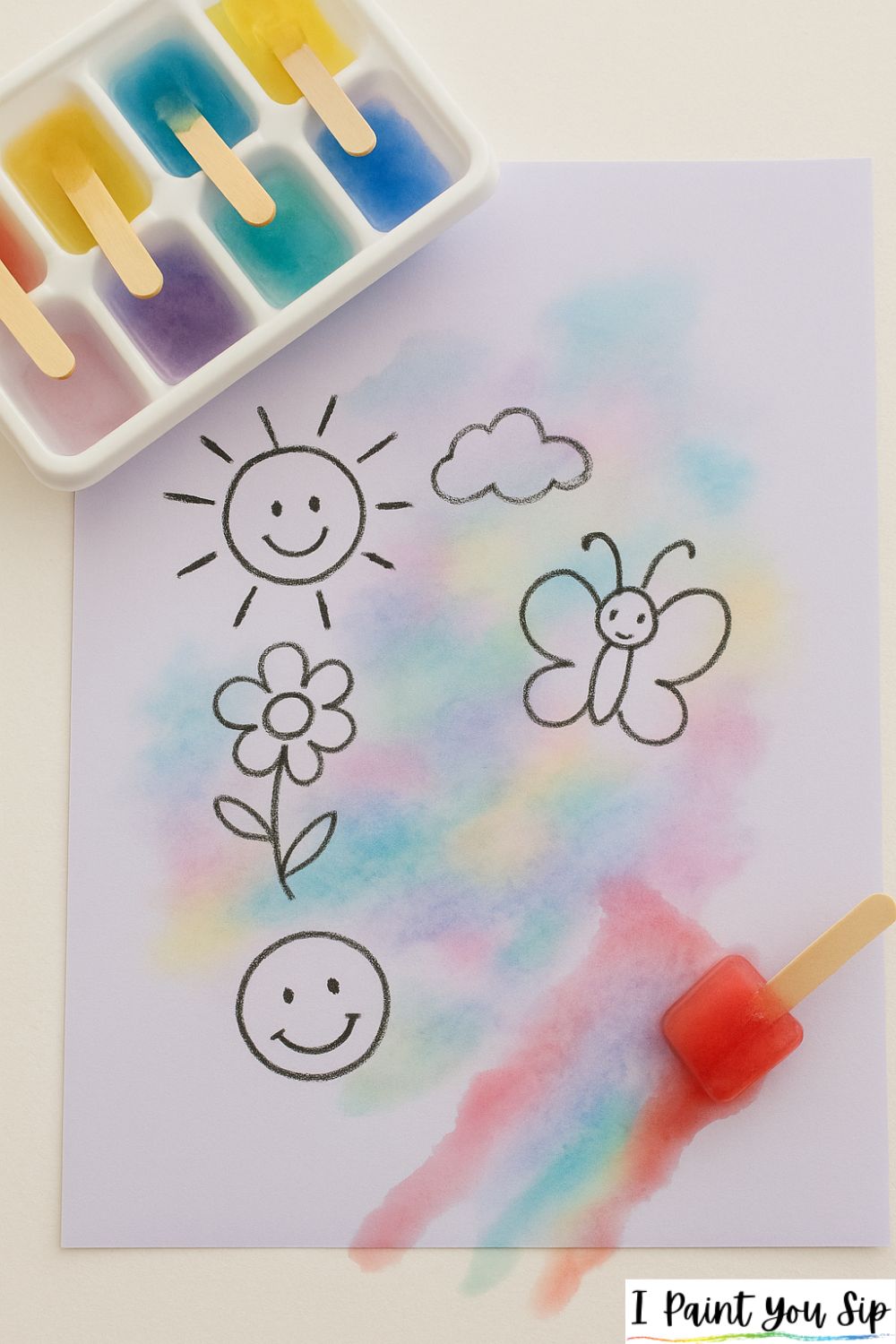
Freeze paint mixed with a bit of water in an ice cube tray with popsicle sticks. Once frozen, toddlers can “draw” with the melting cubes. The slow drip and cool feeling keep them engaged. Plus, the colors blend softly for dreamy pastel results.
#10: Texture Rubbing Painting
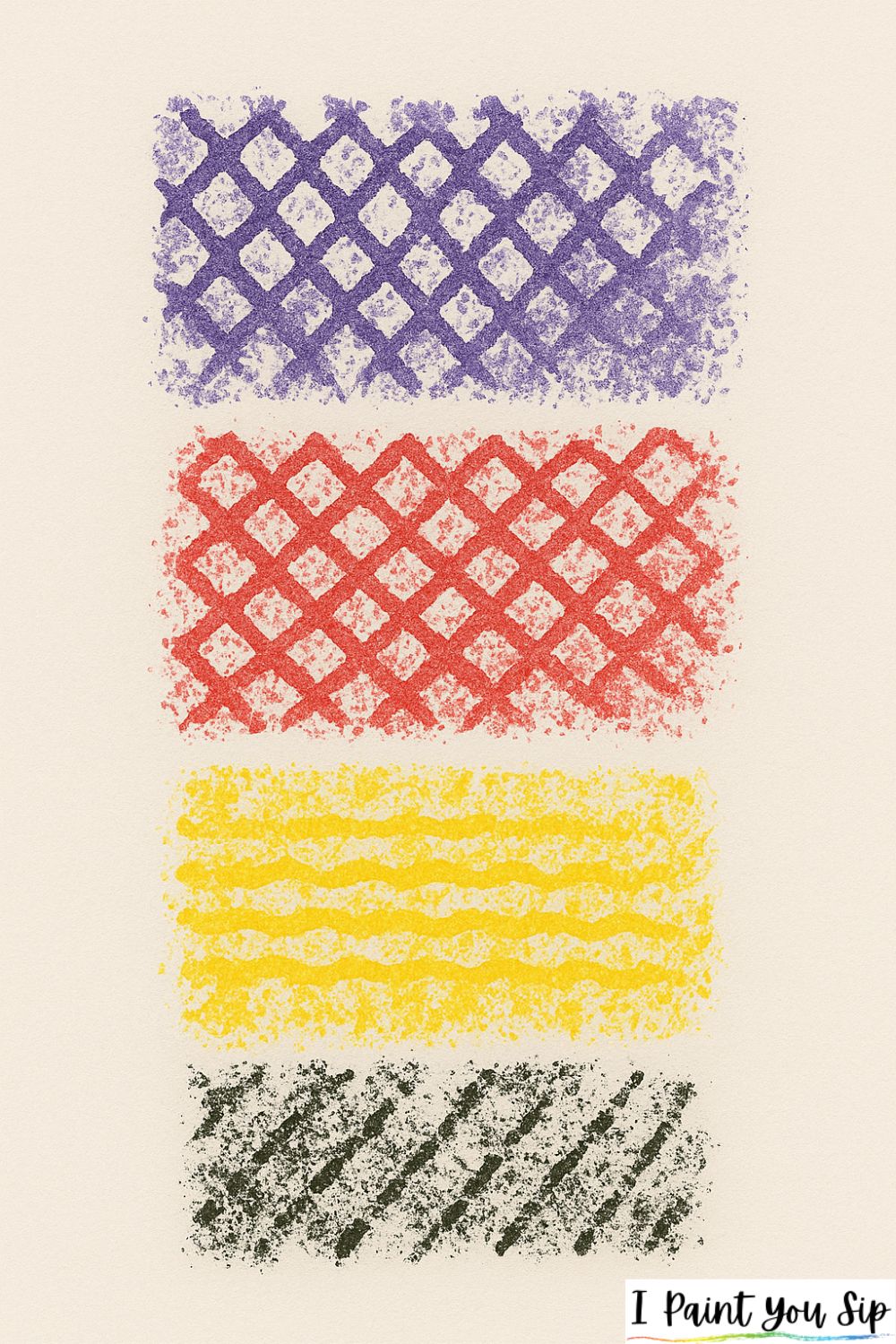
Place textured items like lace, mesh fruit bags, or cardboard ridges under a sheet of paper. Help your toddler brush paint gently over the surface. The patterns magically appear, and kids love the surprise of what forms underneath.
#11: Q-Tip Rain Dots
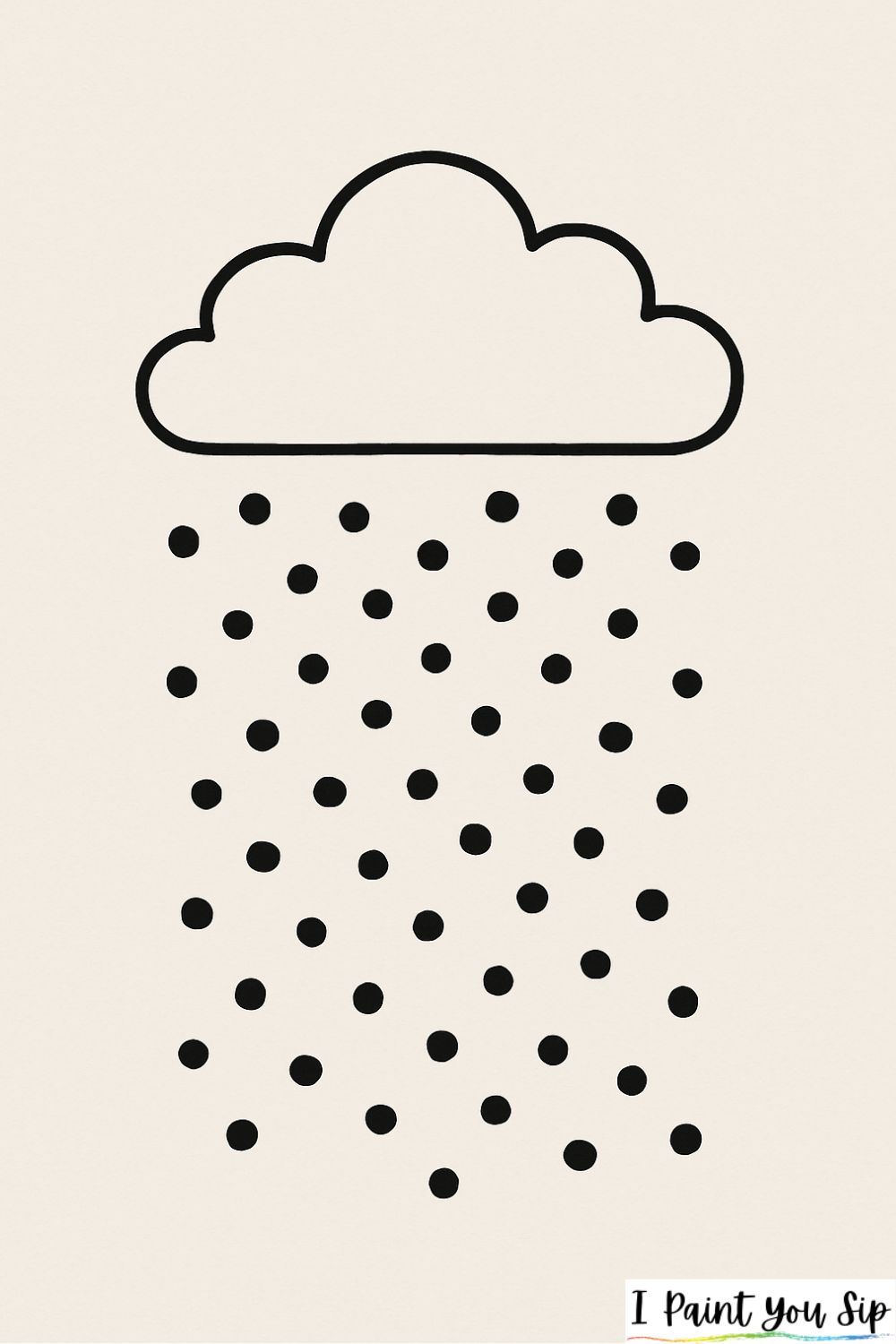
Give your toddler a Q-tip dipped in blue paint and show them how to dot gently on the paper. They can create raindrops, tiny berries, or just a soft flurry of little circles. If their grip on a brush is still developing, this is an easy alternative tool.
#12: Handprint Characters
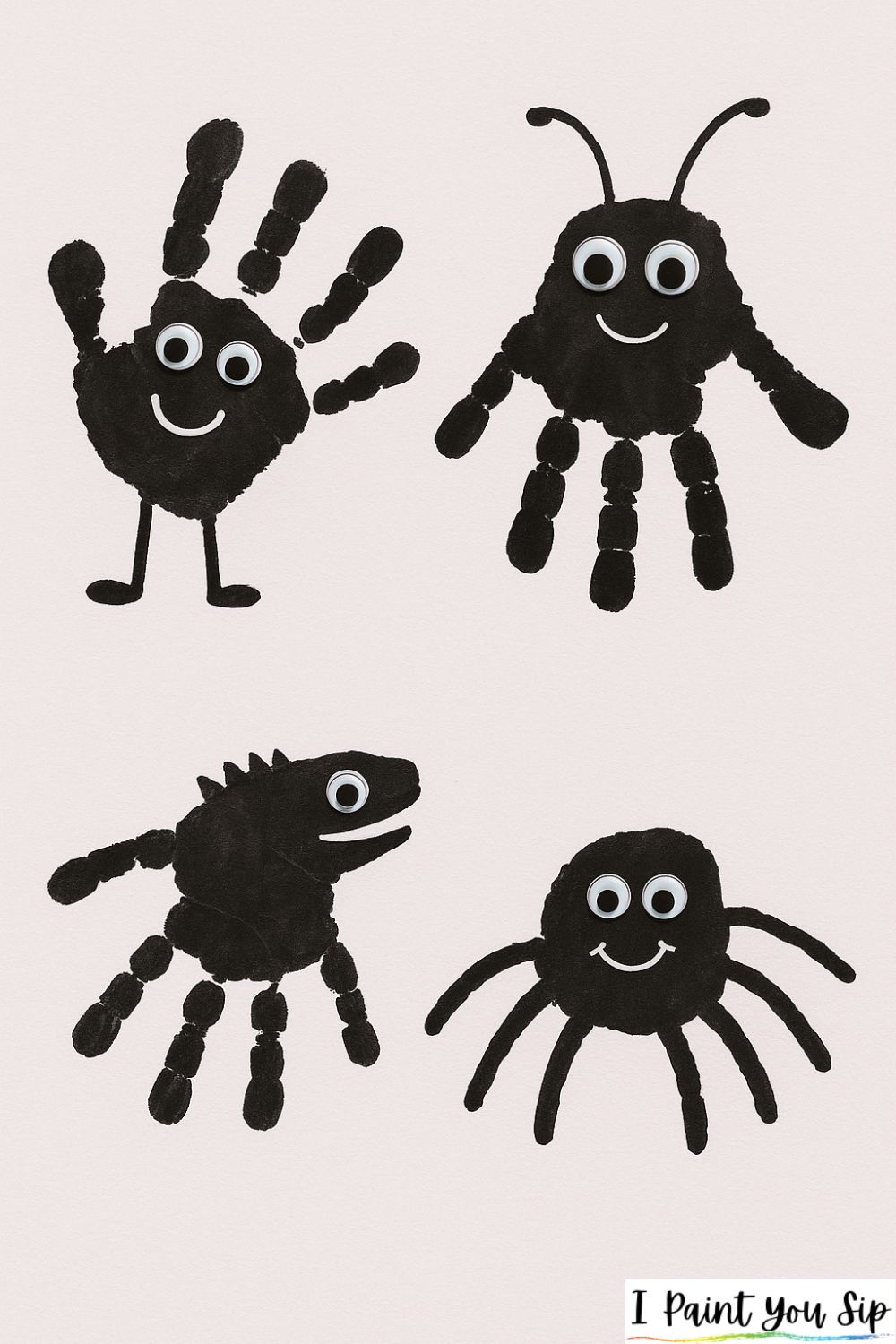
Paint your toddler’s hand (with washable paints), press it onto paper, and turn the print into a silly creature. Add googly eyes, smiles, antennae, whatever they dream up. These pieces make adorable memory keepsakes and grandparents LOVE receiving them.
#13: Foil Swipe Painting
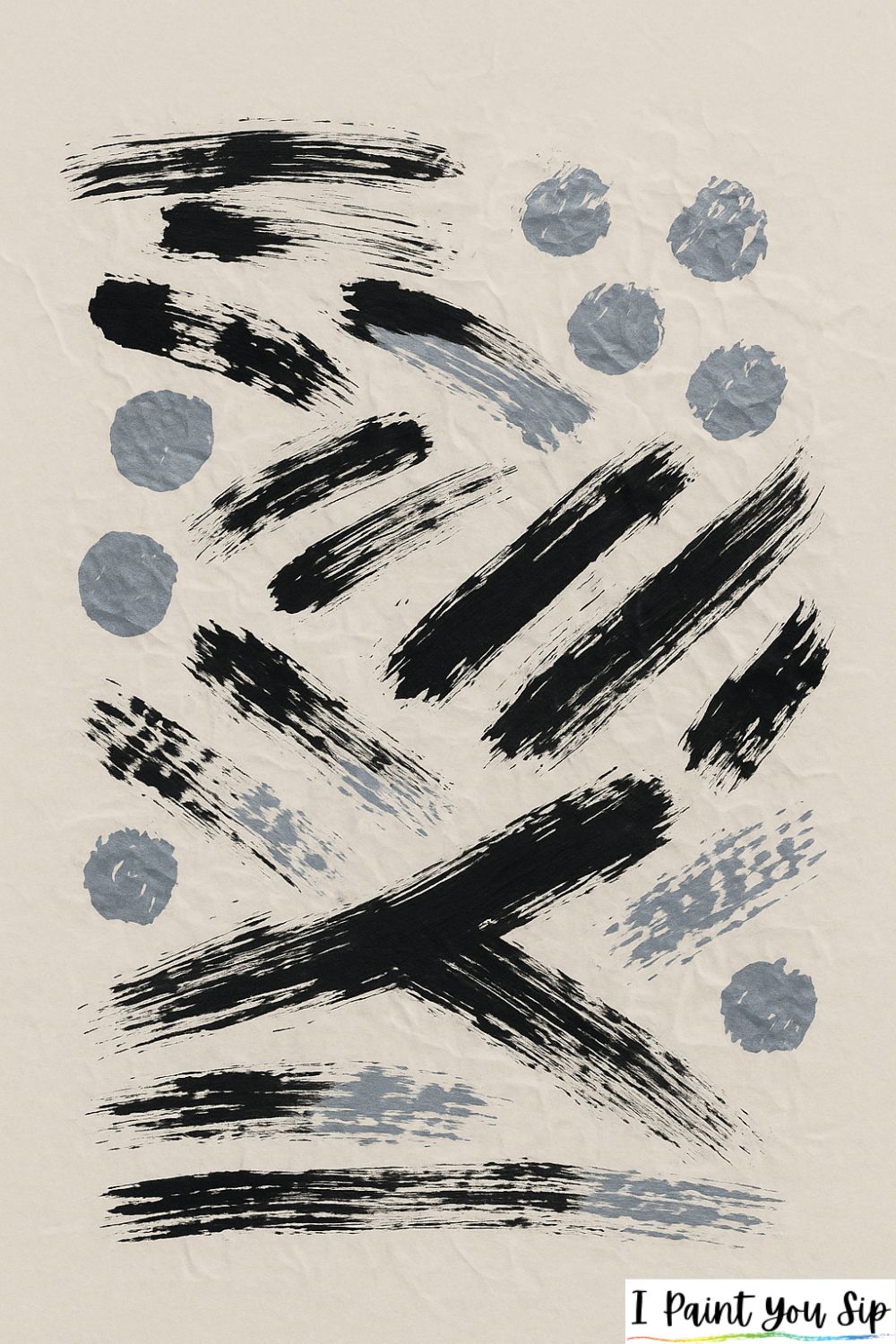
Lay down a sheet of aluminum foil and let your toddler slide paint across it using a plastic card, a piece of cardboard, or even their hands. The slick surface makes paint glide beautifully. Press paper on top to “print” the pattern and keep the artwork forever.
Conclusion
Painting with toddlers doesn’t have to be complicated, expensive, or picture-perfect. In fact, the most beautiful moments often come from the unexpected, when colors mix in funny ways, when a sponge becomes a rocket, or when your child proudly announces that their smudge is actually a dinosaur. These early art experiences build confidence, spark imagination, and help little hands learn how to explore their world.
So take your time, laugh off the messes, and celebrate every squiggle and splatter. Creativity grows best when it feels safe and joyful. And if you’re feeling inspired, you can even join in, try bigger brushes, new textures, or a different medium like crayons or sidewalk chalk. The fun is endless when you let curiosity lead the way.
Most importantly, remember: art is for everyone, at every age. And today is the perfect day to start creating together.

Jessie has a passion for bringing people together through creativity and socializing. She has organized many painting events that have left guests with lasting memories and new friendships. She’s also been to various sip events to unleash her own creativity and connect with like-minded individuals.