
Have you ever stepped outside, looked at a tiny detail, a curl of bark, a drifting seed, a soft bit of moss and felt an unexpected spark of inspiration? Nature has a way of giving us ideas when we least expect them, and the best part is that you don’t need advanced skills to turn those ideas into art. Even the simplest shapes from the natural world can become beautiful, calming paintings.
This list isn’t your typical “trees, sunsets, and flowers” roundup. Instead, you’ll find playful twists, imaginative scenes, and beginner-friendly nature concepts that feel fresh and exciting. Whether you’re painting with your kids, gathering with friends, or treating yourself to a quiet creative hour, these ideas are designed to help you relax and enjoy the process, without worrying about perfection.
Let’s explore nature through a brand-new lens and discover how surprisingly fun and simple it can be. Keep reading for ideas that will truly spark your creativity!
Key Takeaways
- Nature offers endless inspiration, even in tiny or unexpected details.
- You don’t need perfect lines or realism for nature to shine.
- Everyday items (like forks, leaves, brushes, or sponges) make great tools.
- These projects are beginner-friendly and kid-approved.
- Art becomes easier when you focus on play, not perfection.
#1: Firefly Glow Field
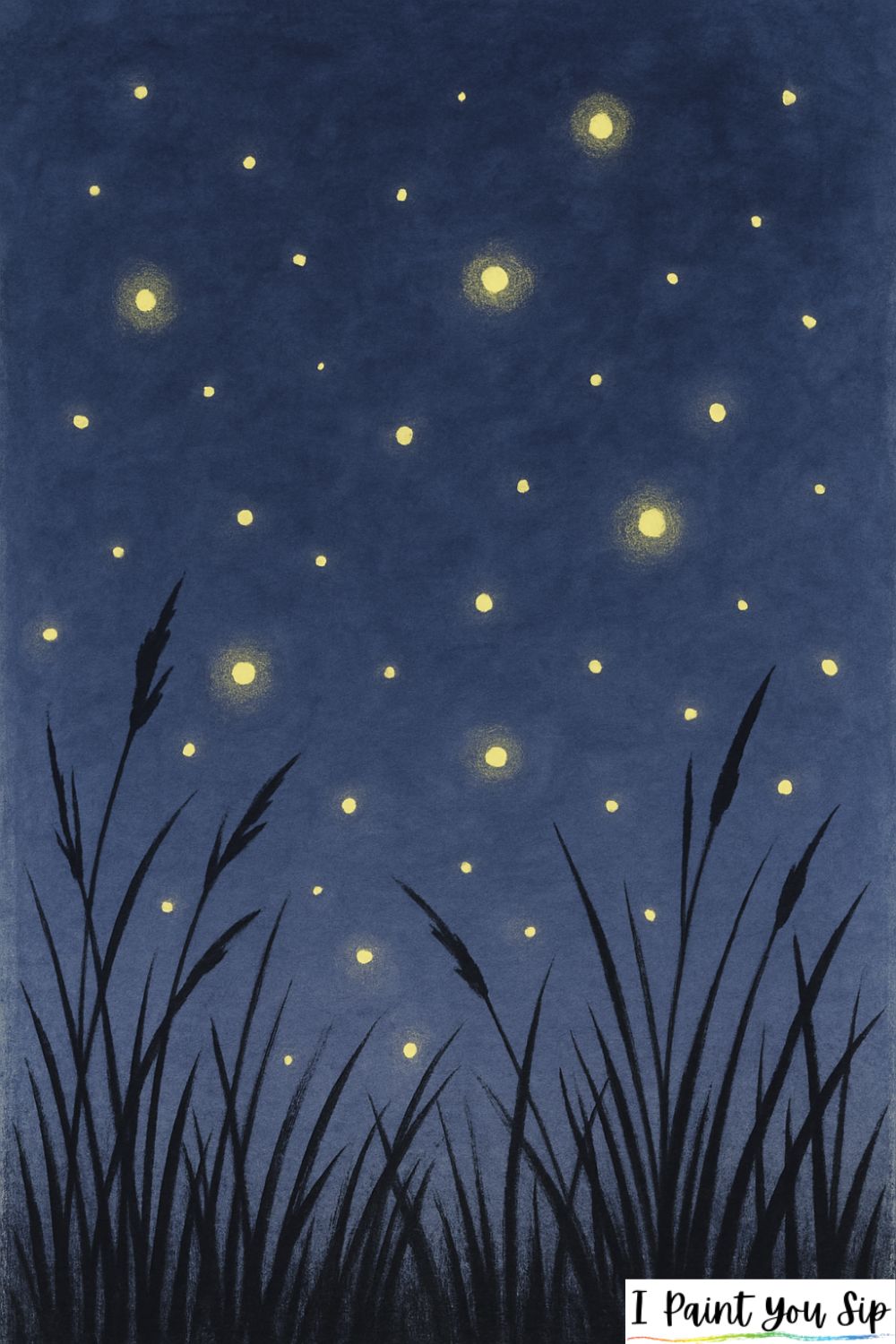
Paint a deep twilight background, then add scattered yellow or white dots to represent fireflies. Surround some dots with soft halos by gently dabbing a dry brush. Add long grass at the bottom for a dreamy field effect. This one feels magical with very little effort.
#2: Mossy Rock Close-Up
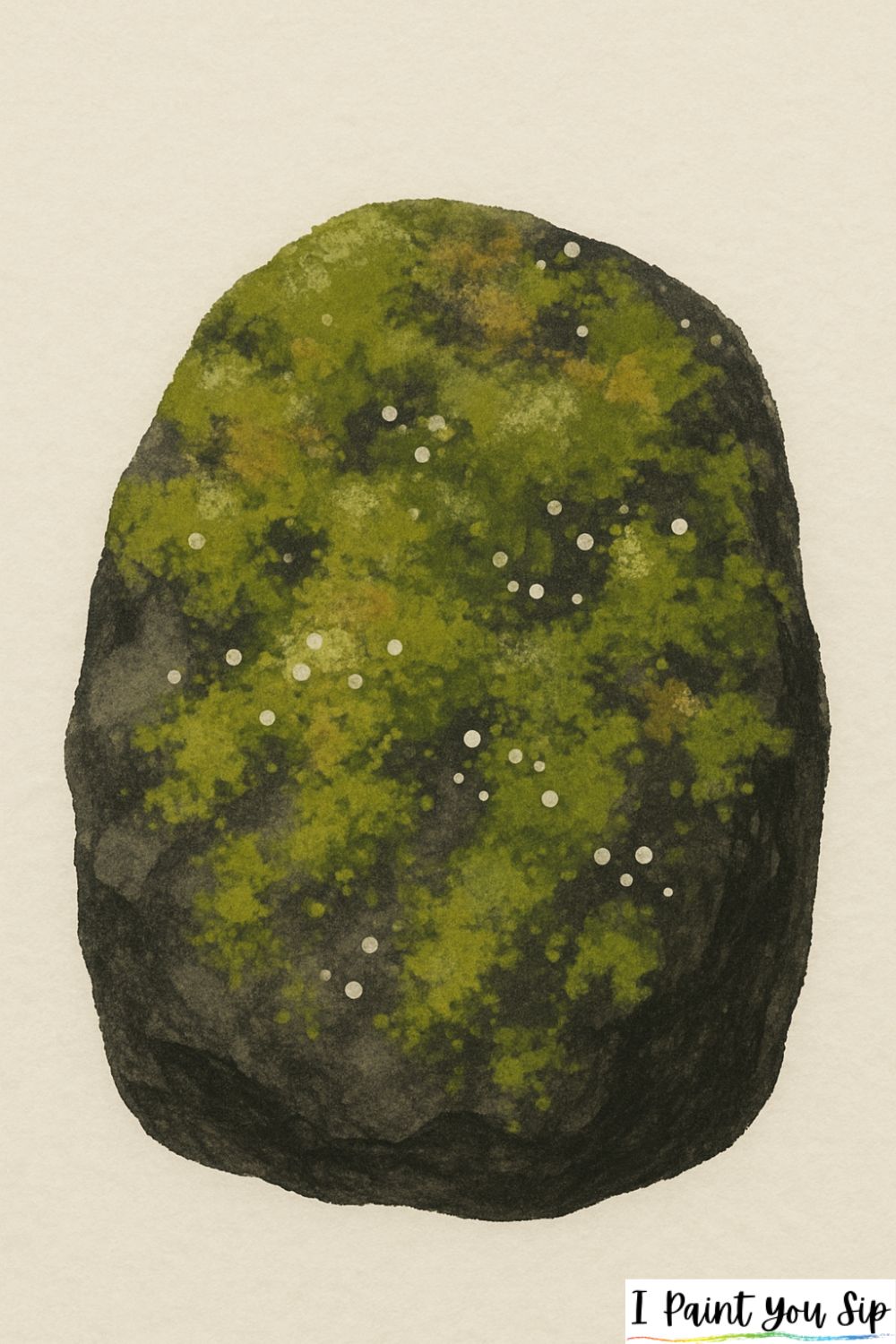
Skip the usual landscapes and zoom all the way in. Paint a chunky stone shape, then layer sponge-dabbed greens and browns for moss texture. Add tiny white dots for lichen. Imperfect patterns look the most realistic!
#3: Seed-Floating Breeze Scene
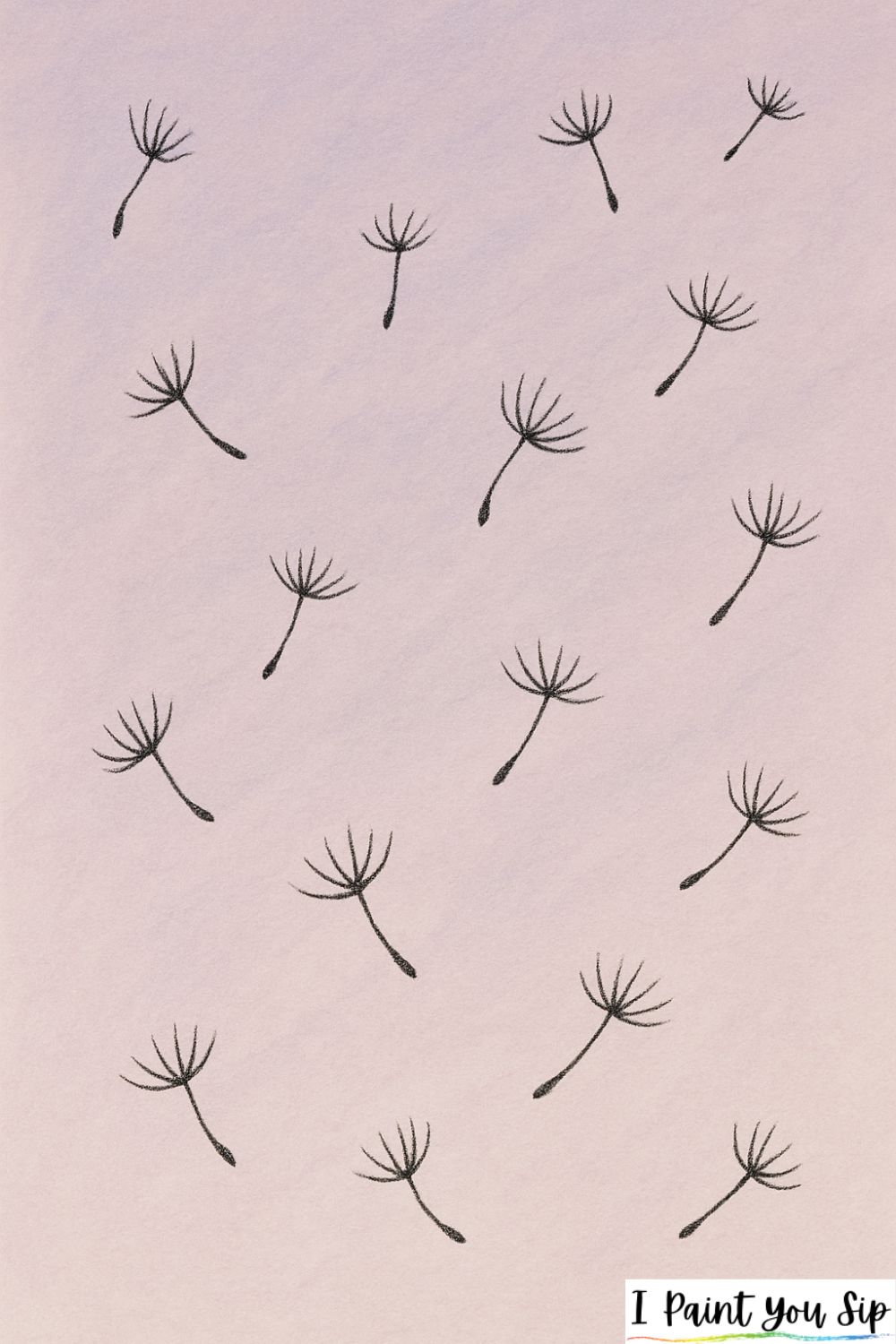
Paint fluffy, drifting dandelion seeds floating across a soft pastel background. Each seed is just a dot with tiny upward strokes. Scatter them in different sizes to show distance. This one feels peaceful and airy.
#4: Snail Shell Landscape Spiral
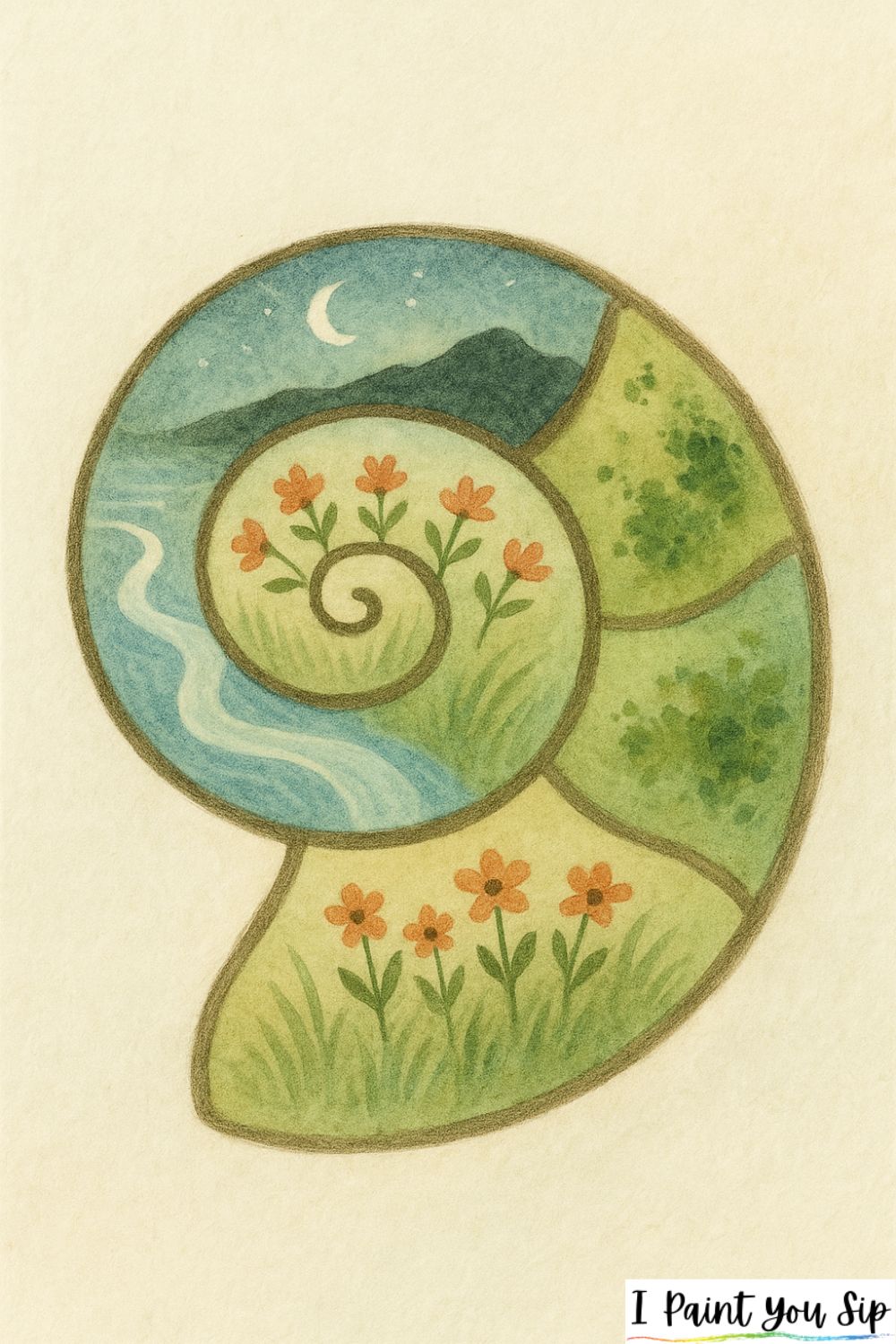
Paint a giant snail shell as a close-up. Instead of normal spirals, fill each spiral “band” with a different nature micro-scene: a tiny river, a row of flowers, a moonlit ridge, a moss patch. It’s like a scrolling nature story wrapped inside a shell.
#5: Canyon Strip Layers
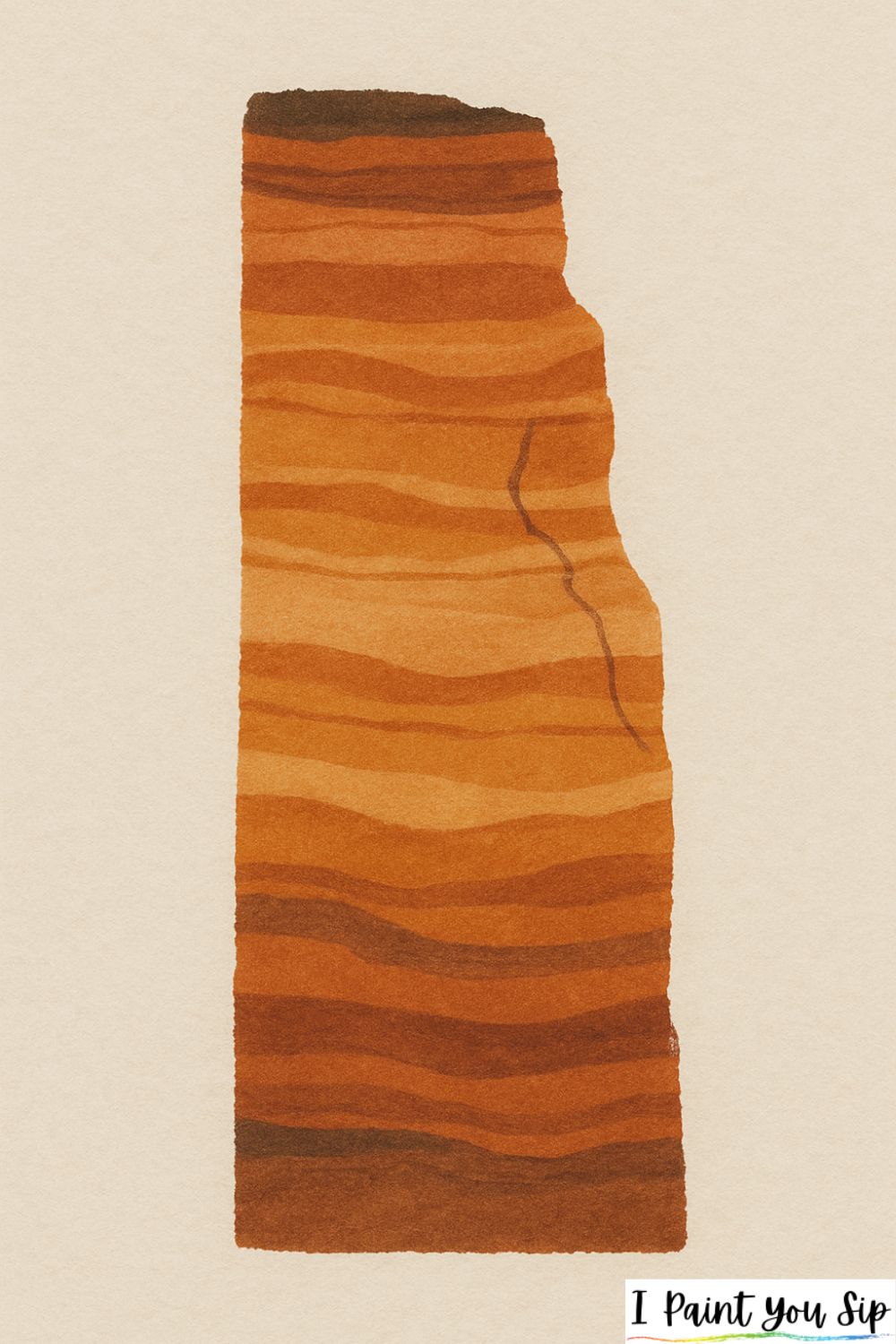
Instead of painting a full canyon, paint only a vertical “slice” of layered rock. Use warm earth tones and loose stripes. Add occasional cracks or soft shadows. Minimal effort, lots of style.
#6: Forest Floor Treasure Map
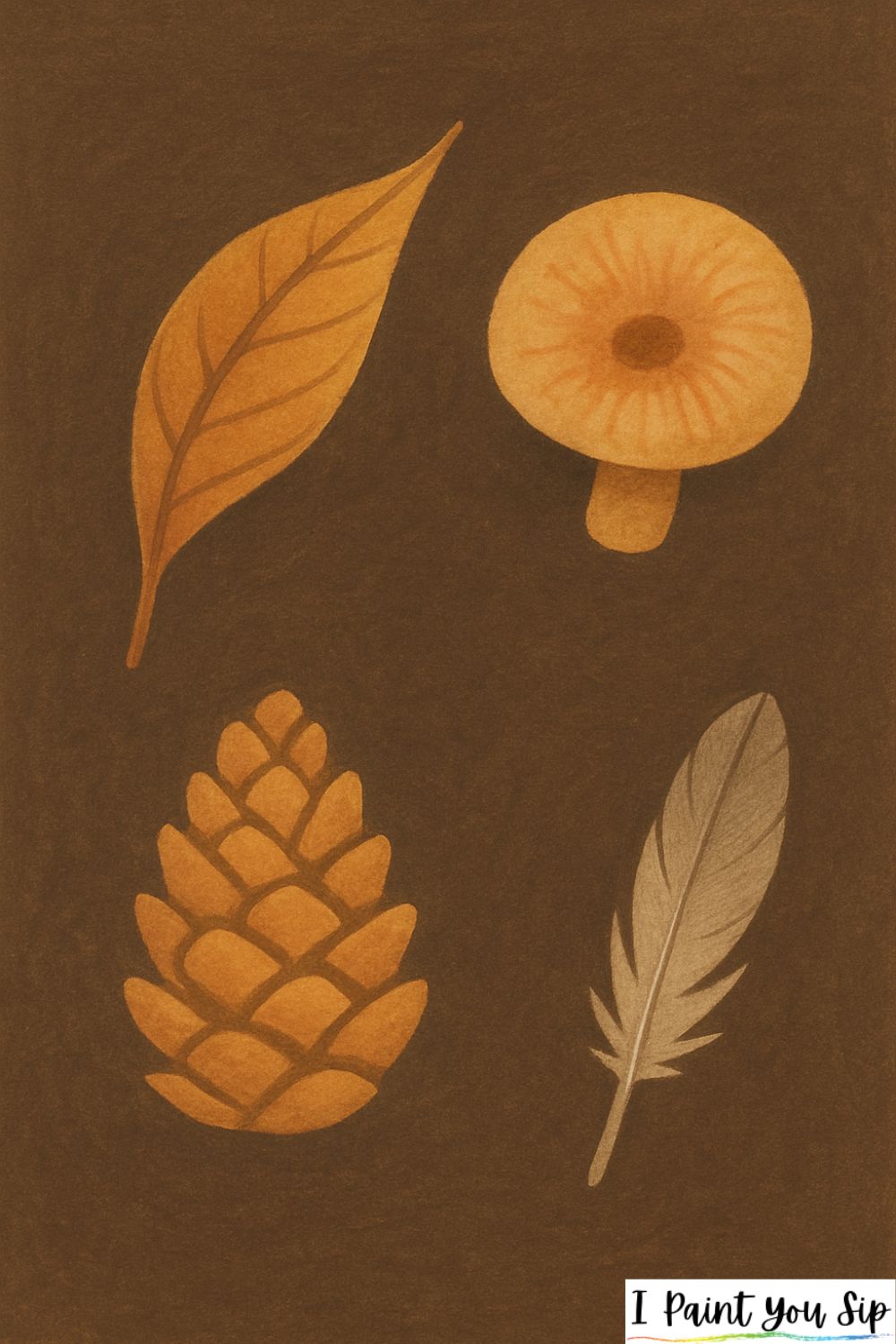
Paint a simple dark brown base, then add scattered “forest treasures”: a curled leaf, a mushroom top, a pinecone scale, a tiny feather. Use simplified shapes, no realism required. Like a little scavenger collection!
#7: Sprout Family Portrait
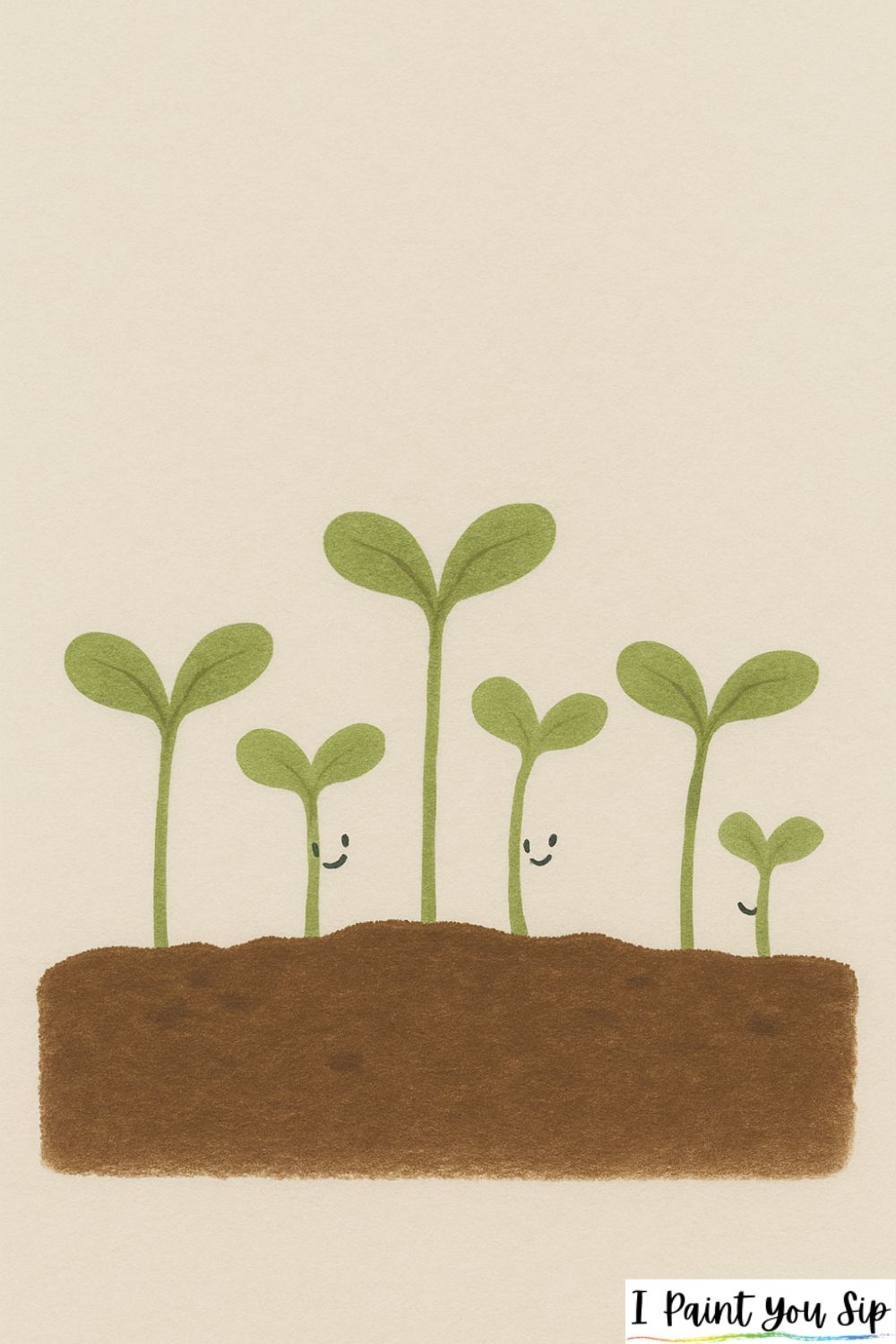
Paint several tiny sprouts popping out of the soil. Give each one a slightly different leaf shape or tilt. Add little smiley faces if you want a cute, kid-friendly style. This one always makes people grin.
#8: Ripple Rings on Water
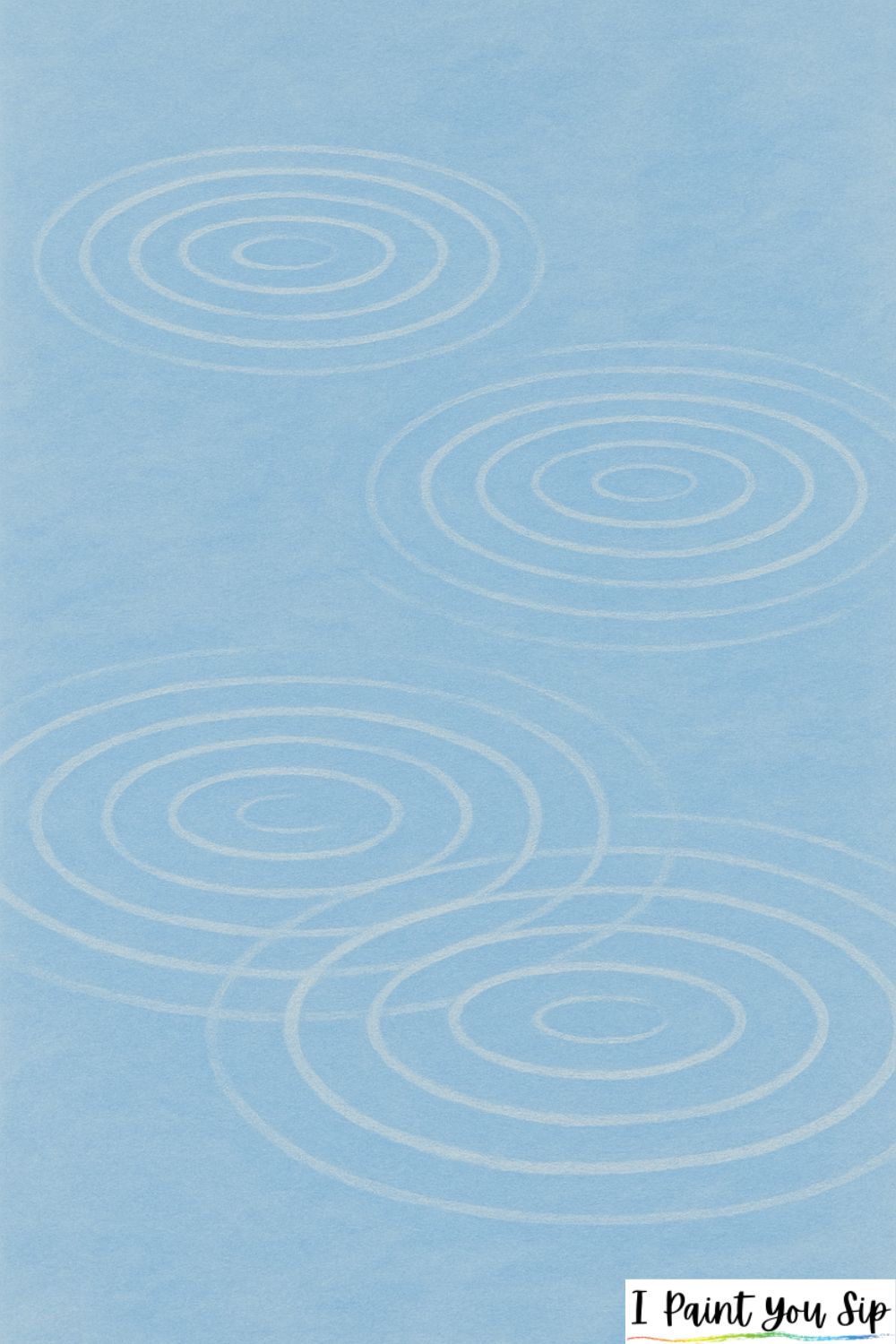
Paint a soft blue background, then create concentric white rings as if raindrops just fell. Keep them uneven for a natural look. Add overlapping rings for motion. Gentle, calming, and very forgiving.
#9: Sunset Reflected in a Puddle
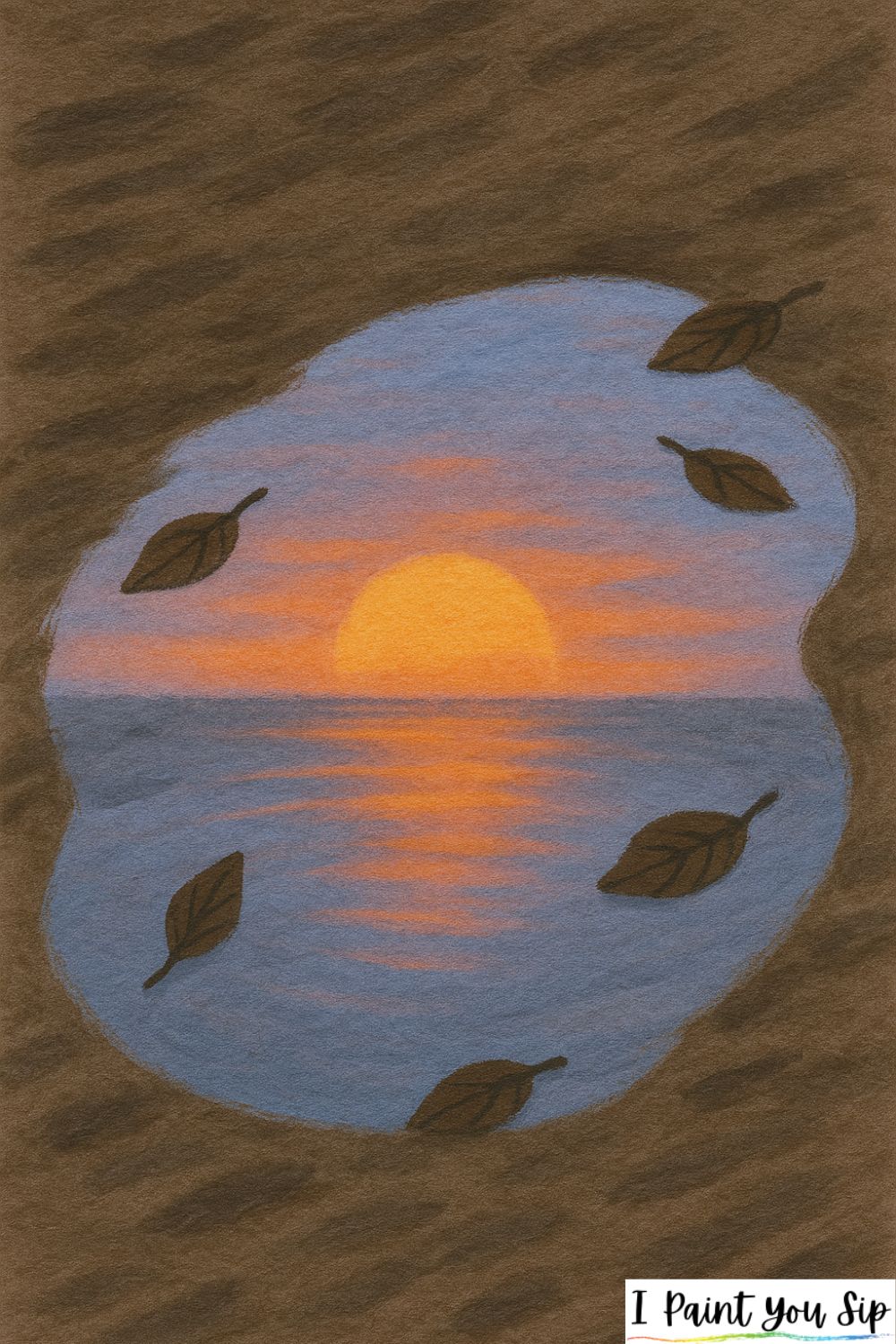
Skip the sky, instead, paint only the puddle reflection. The surrounding ground can be simple brown or gray brushstrokes. Add a few scattered leaves floating on top. Unique and modern!
#10: Coral Reef Color Bursts
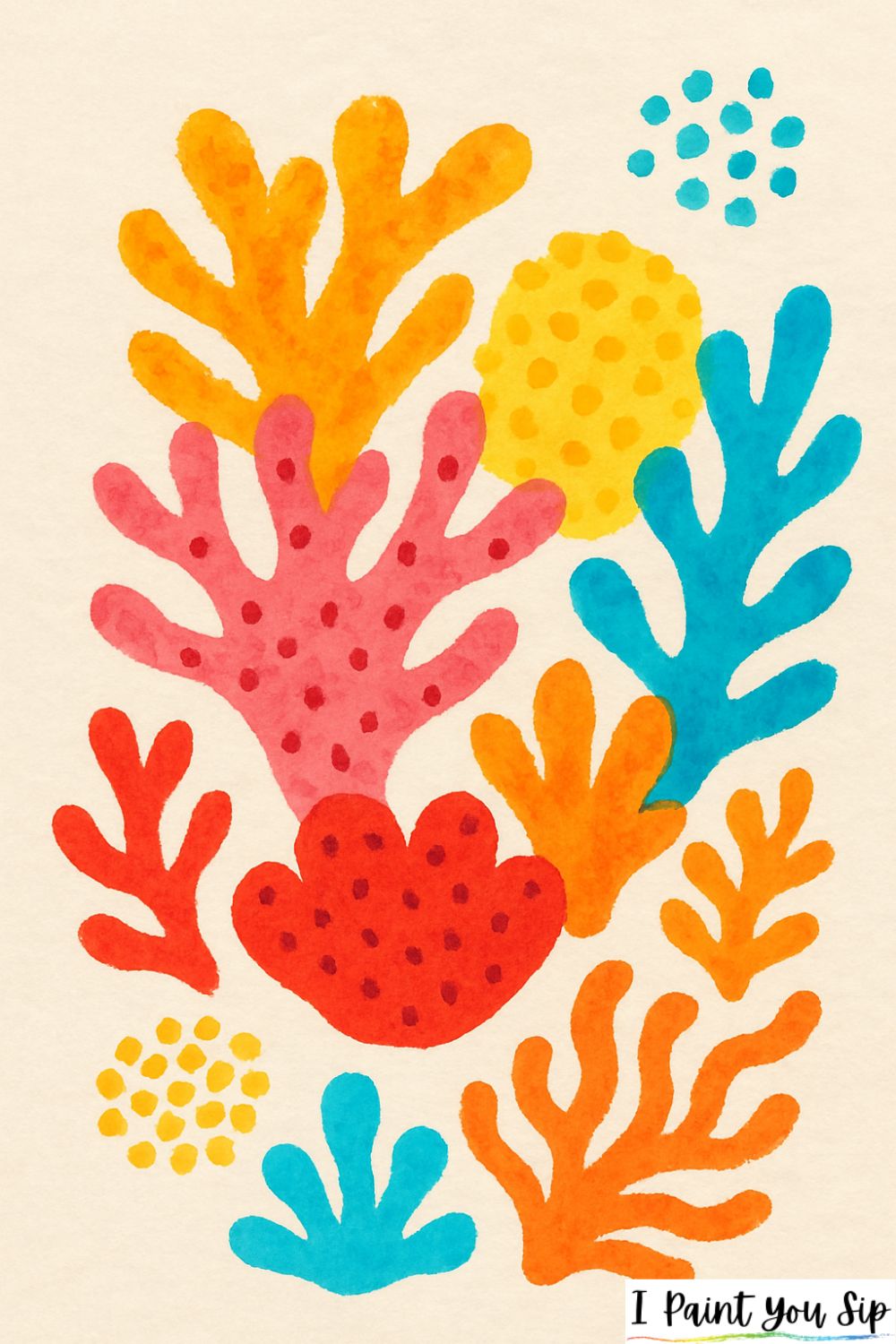
Paint clusters of simple shapes inspired by coral, blobs, branches, dots, curls. Use bright colors and let them overlap. No realism needed; think “underwater confetti with structure.”
#11: Bird Nest Close-Crop
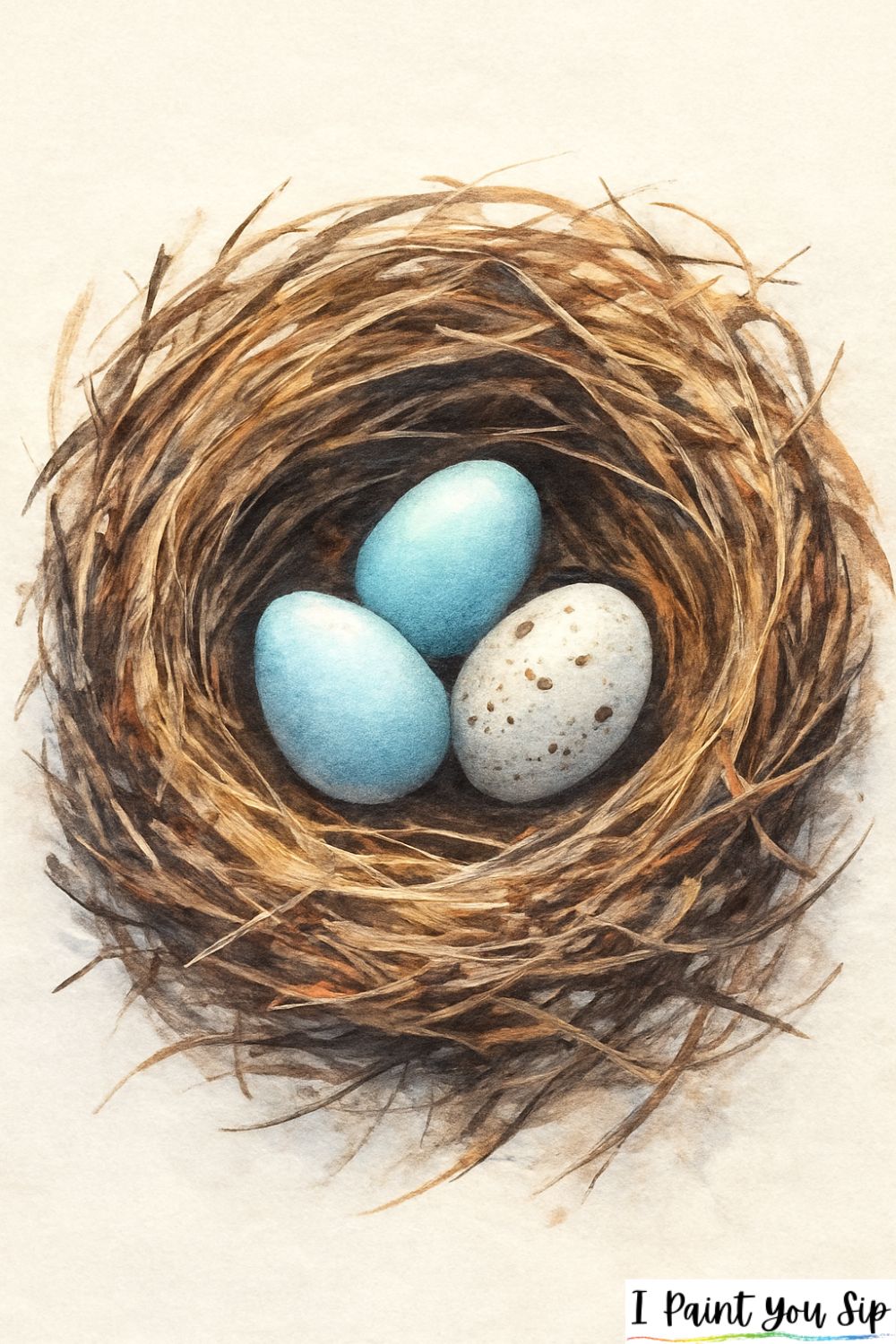
Paint a round nest close-up using looping strokes in browns and tans. Add three simple eggs, blue, speckled, or white. Slightly messy strokes make it look more natural.
#12: Dewy Spiderweb
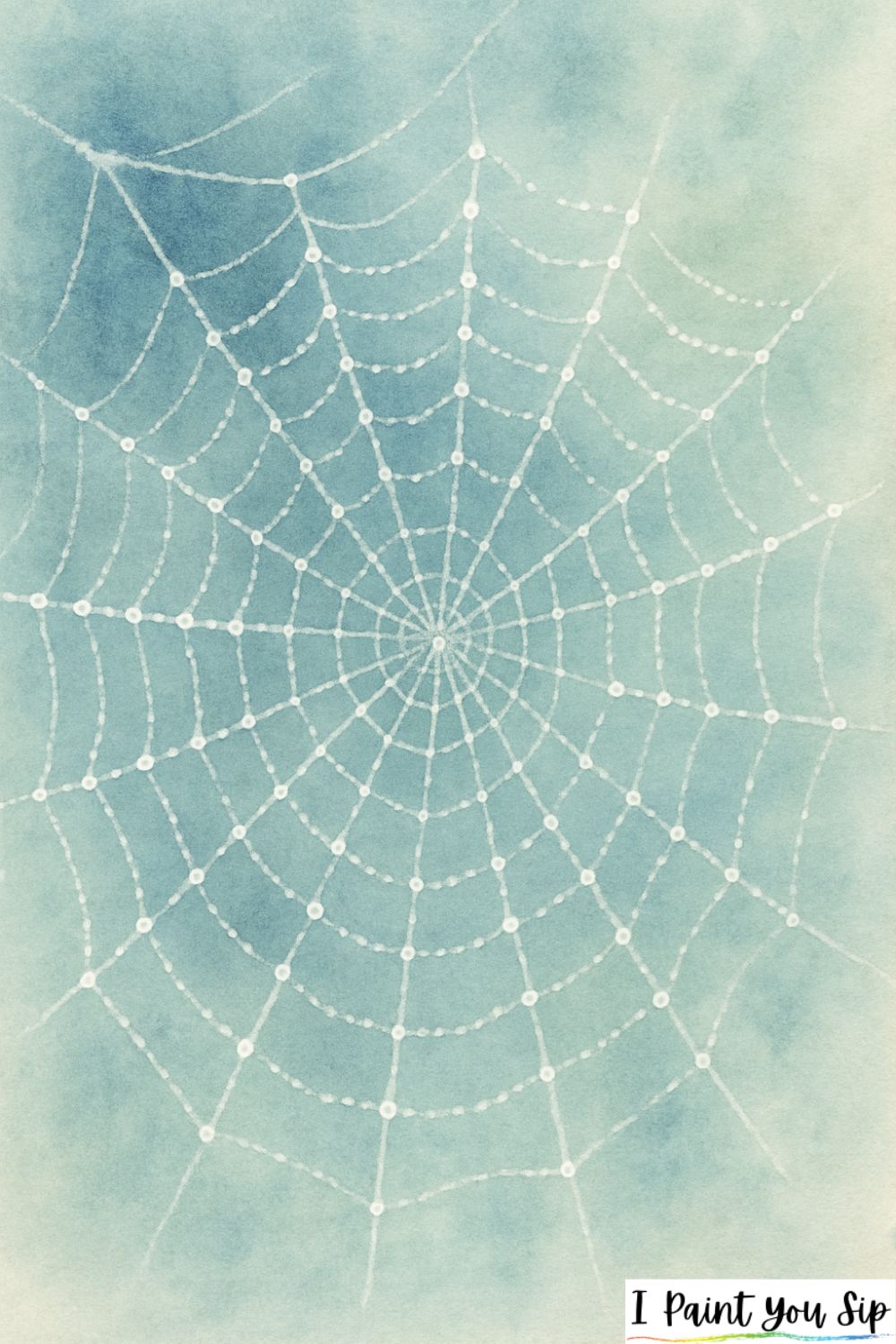
Paint a soft, blurry background, then use a thin brush to create a web. Add tiny white dots along the strands for dewdrops catching morning light. Surprisingly easy and beautiful.
#13: Nighttime Cliff With Tiny Lanterns
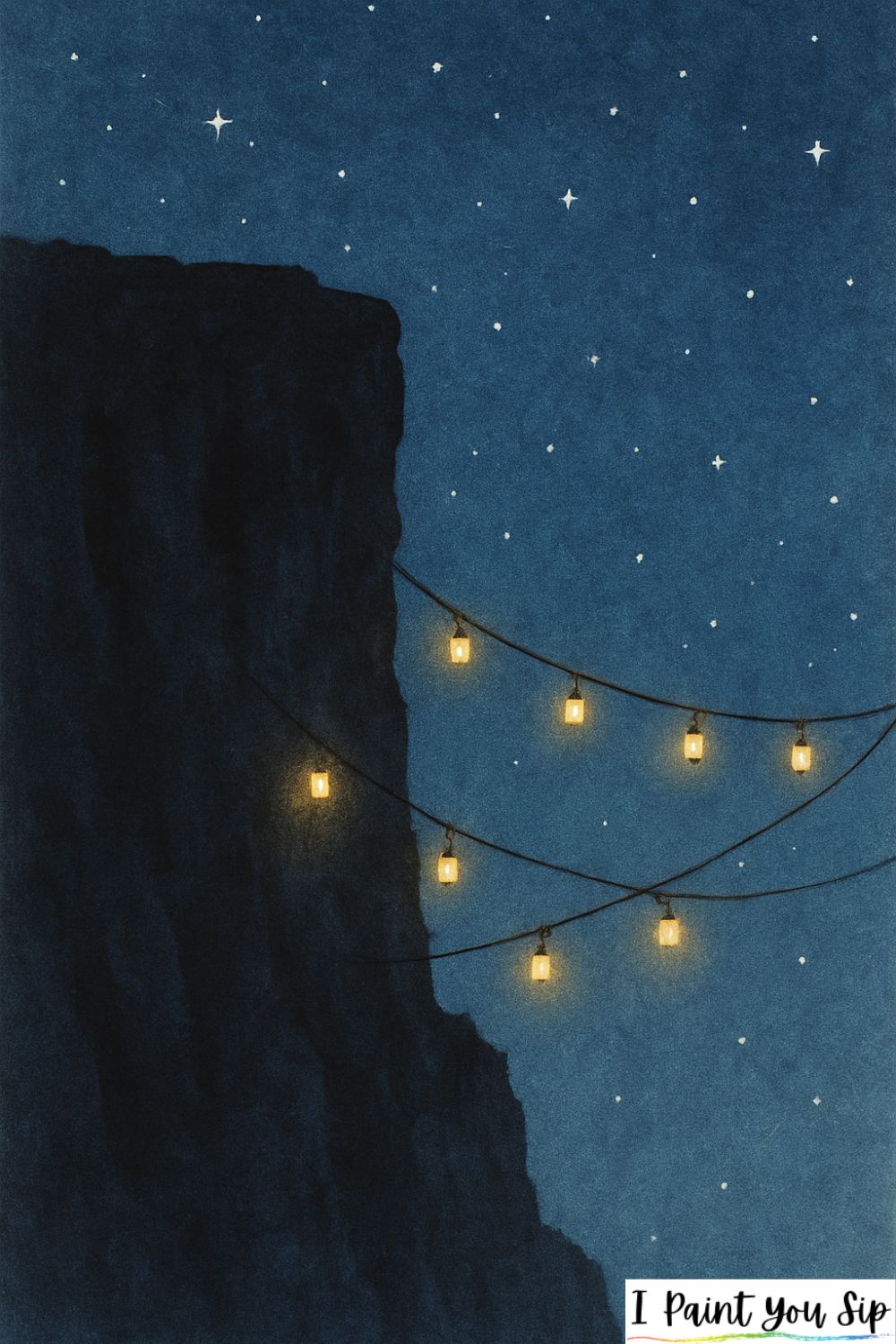
Paint a dark cliff silhouette and add tiny glowing lanterns hanging like fairy lights on invisible strings. Add stars to the sky for extra charm. It feels whimsical and nature-magical.
#14: Root-Under-the-Soil Cutaway
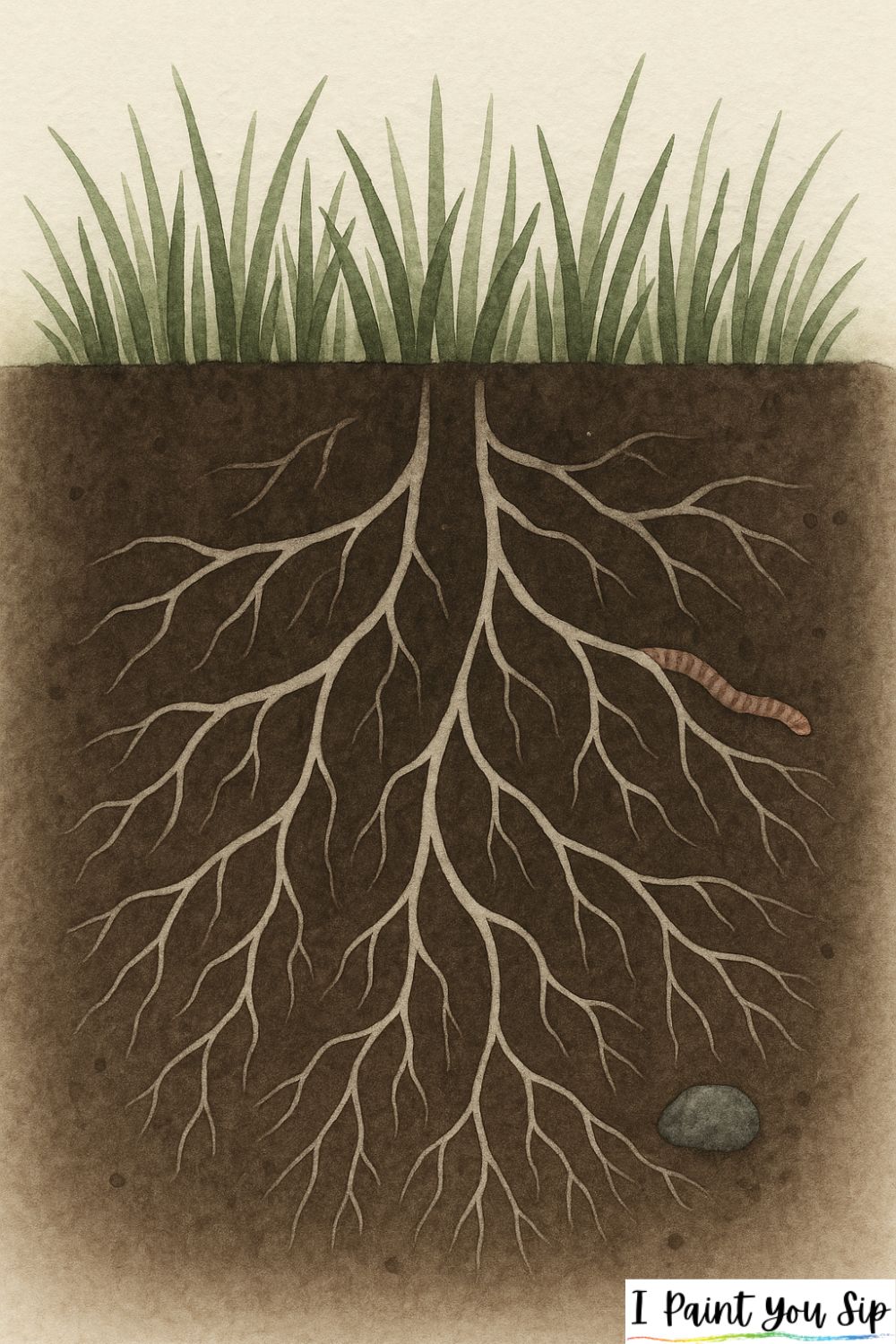
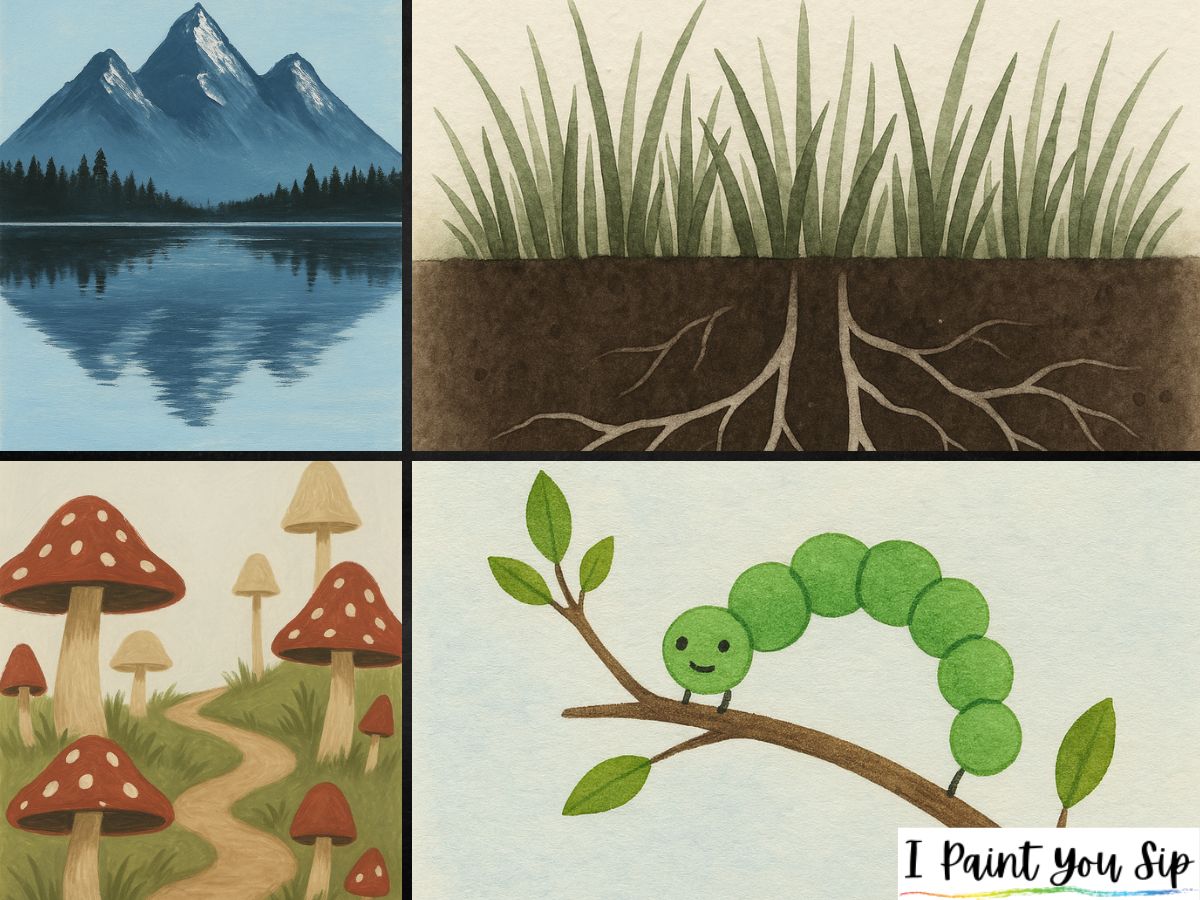
Paint grass on top, then add a cross-section showing roots beneath. Keep them wiggly and uneven. Add a hidden worm, stone, or seed for personality.
#15: Drifting Autumn Leaf Parade
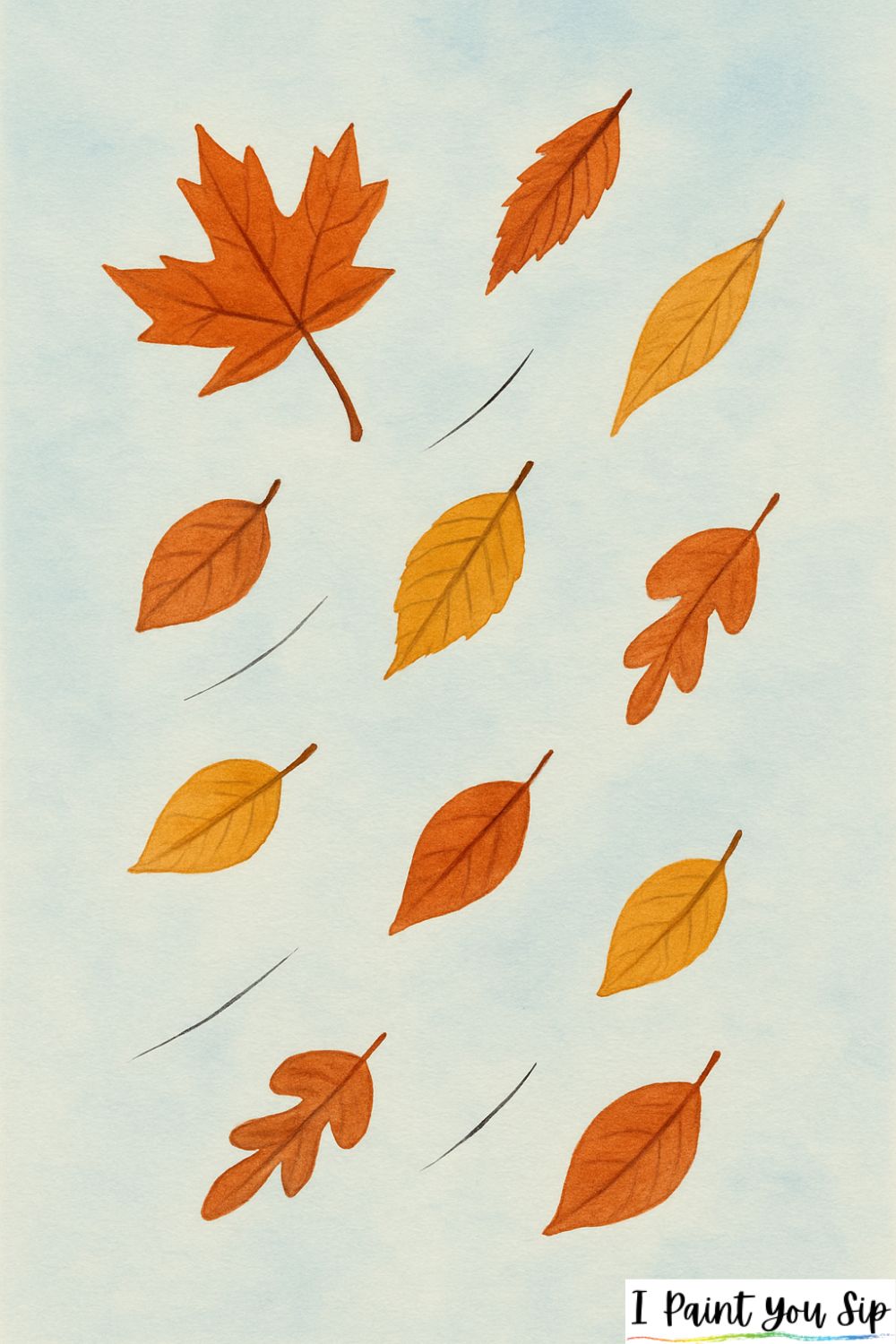
Paint a soft sky color, then create various leaf shapes falling diagonally. Mix warm tones: orange, rust, mustard. Add gentle motion lines if you want a breezy feel.
#16: Whale Tale Out of Water
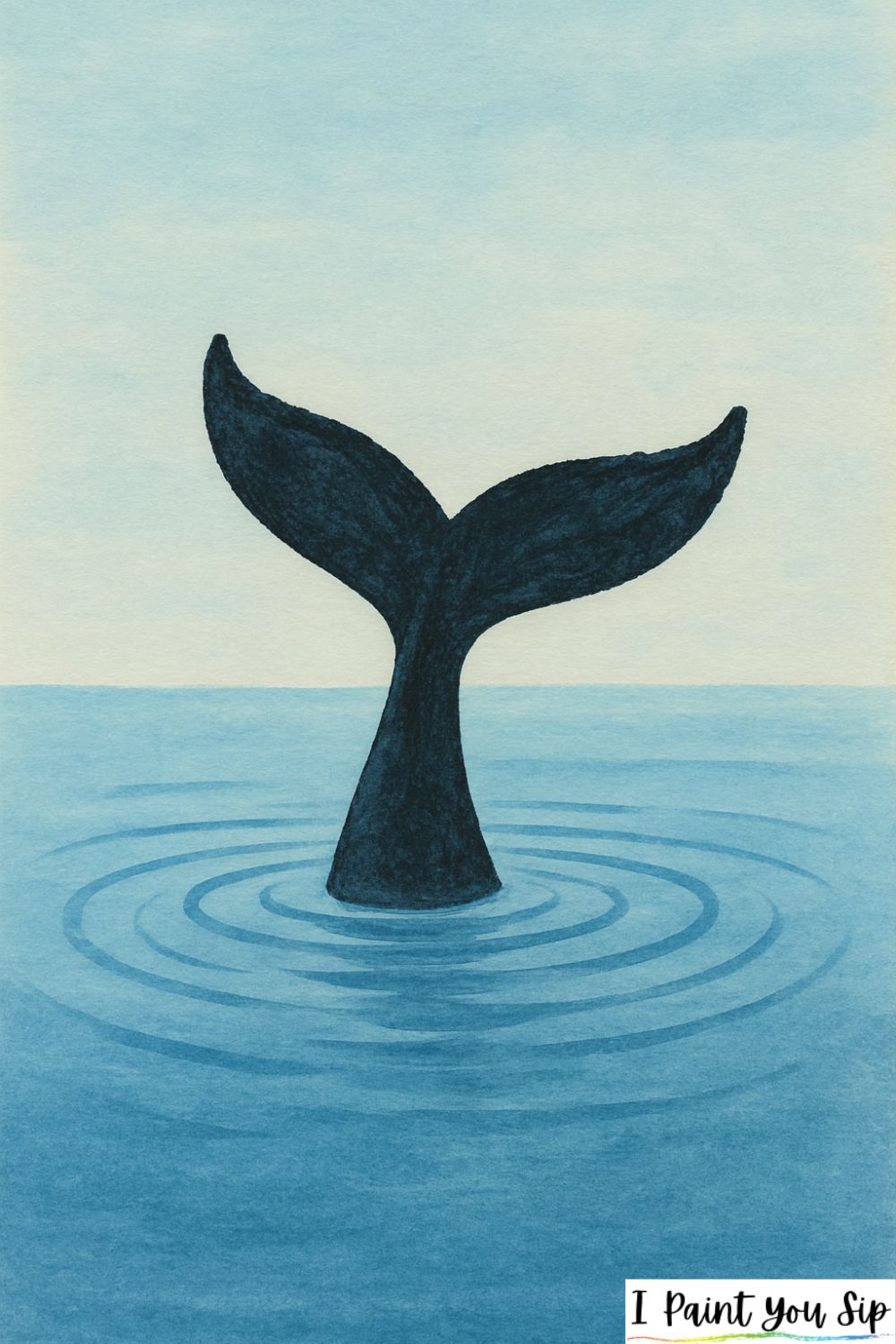
Paint a serene sea, then add a single whale tail rising above the surface. The splash ripples are just loose concentric curves. Simple but dramatic.
#17: Springtime Branch With Caterpillar
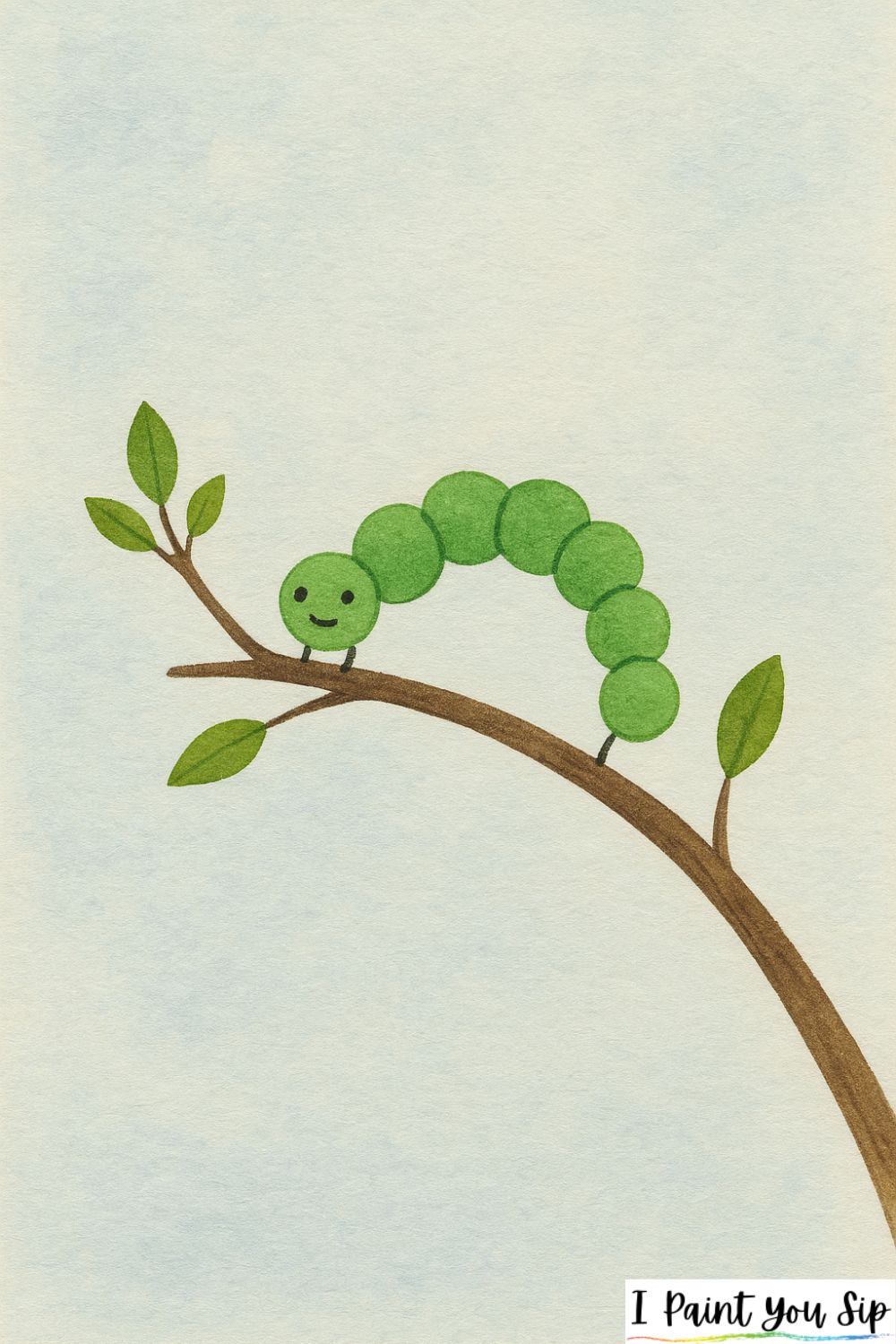
Paint a thin branch with a few dots of budding leaves. Add a simple, cartoon-style caterpillar made of circles. Kids love this one, and it’s very beginner-friendly.
#18: Mountain Reflection Flip
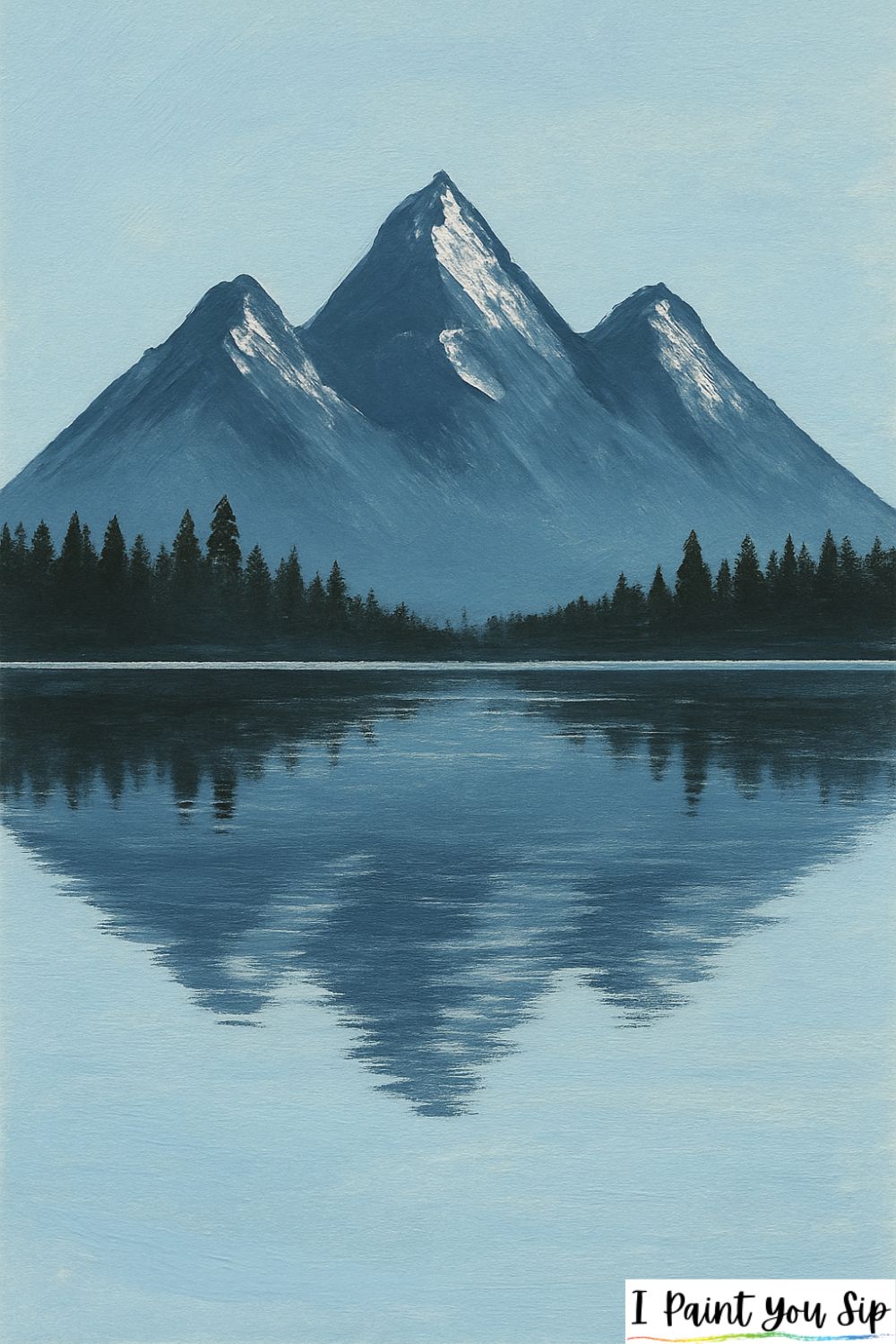
Paint mountains on the top half of your canvas and the same mountains (blurred) on the bottom half for a lake reflection. Blur the bottom with horizontal strokes for realism.
#19: Fern Shadow Silhouette
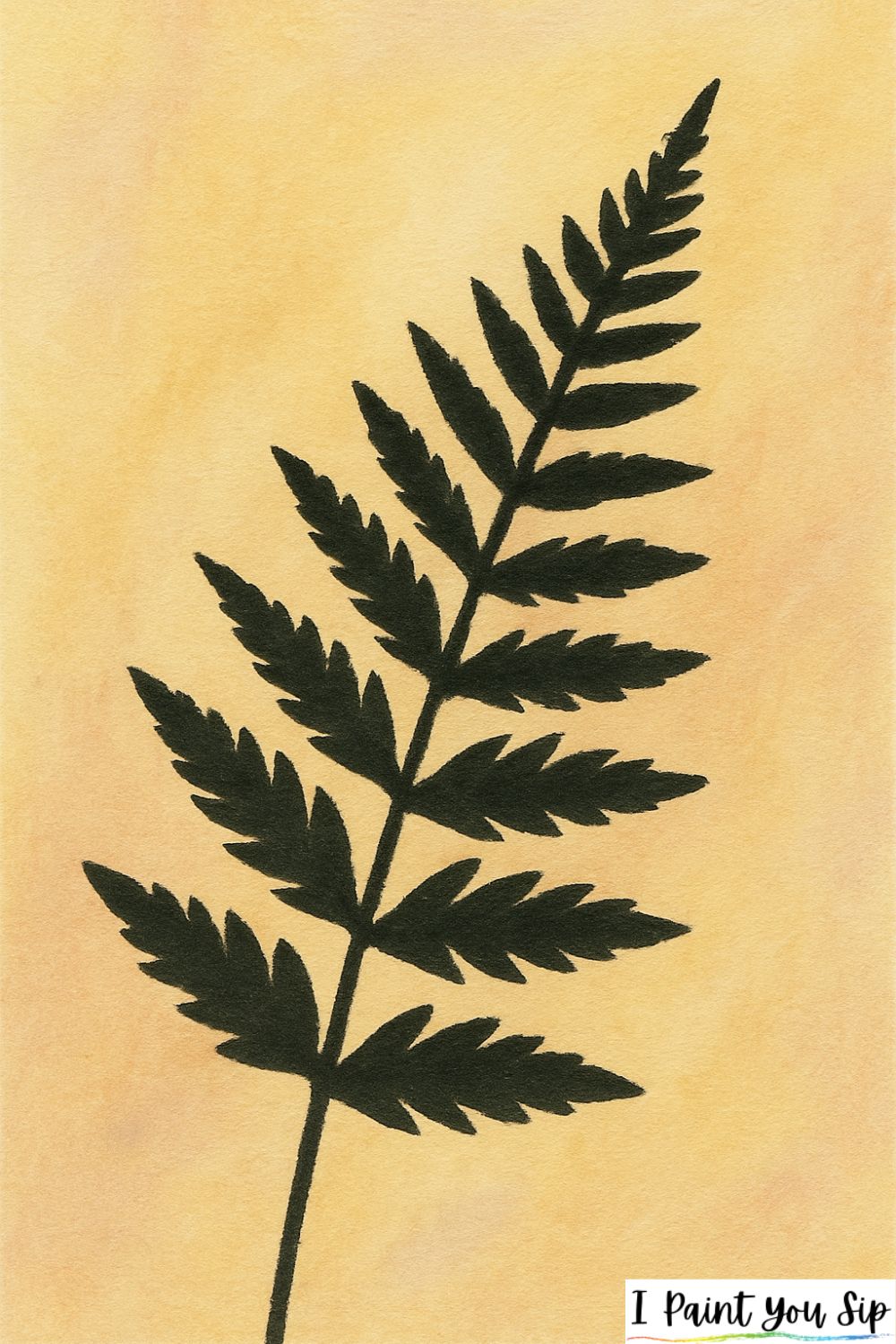
Instead of painting the fern itself, paint a background and then add a simple black fern shadow across it. Makes a very stylish minimalist piece.
#20: Drip-Down Bloom Stems
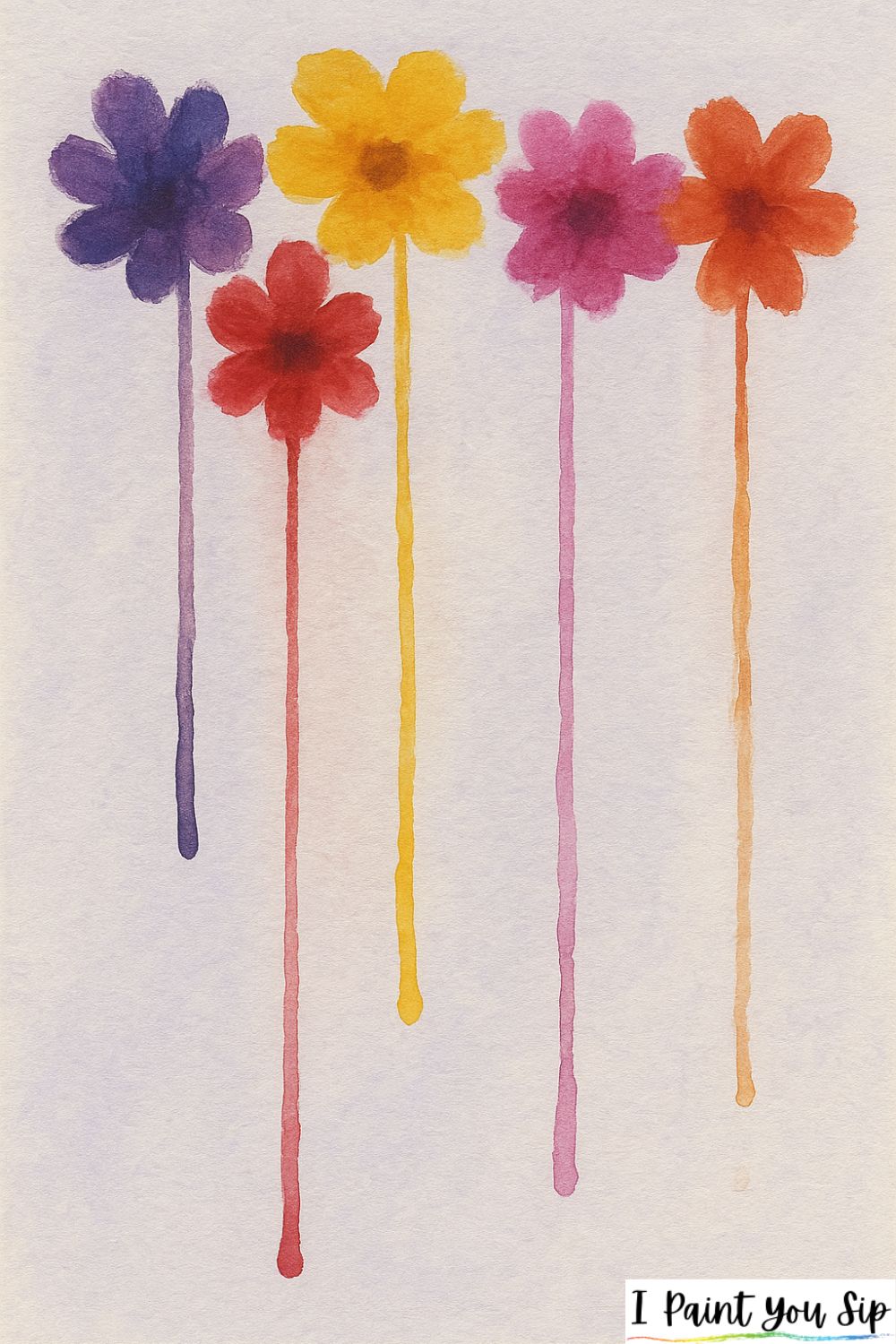
Paint flowers at the top of the canvas, then let water-thinned paint drip downward like melting stems. It looks modern, artsy, and effortless.
#21: Mushroom Village Path
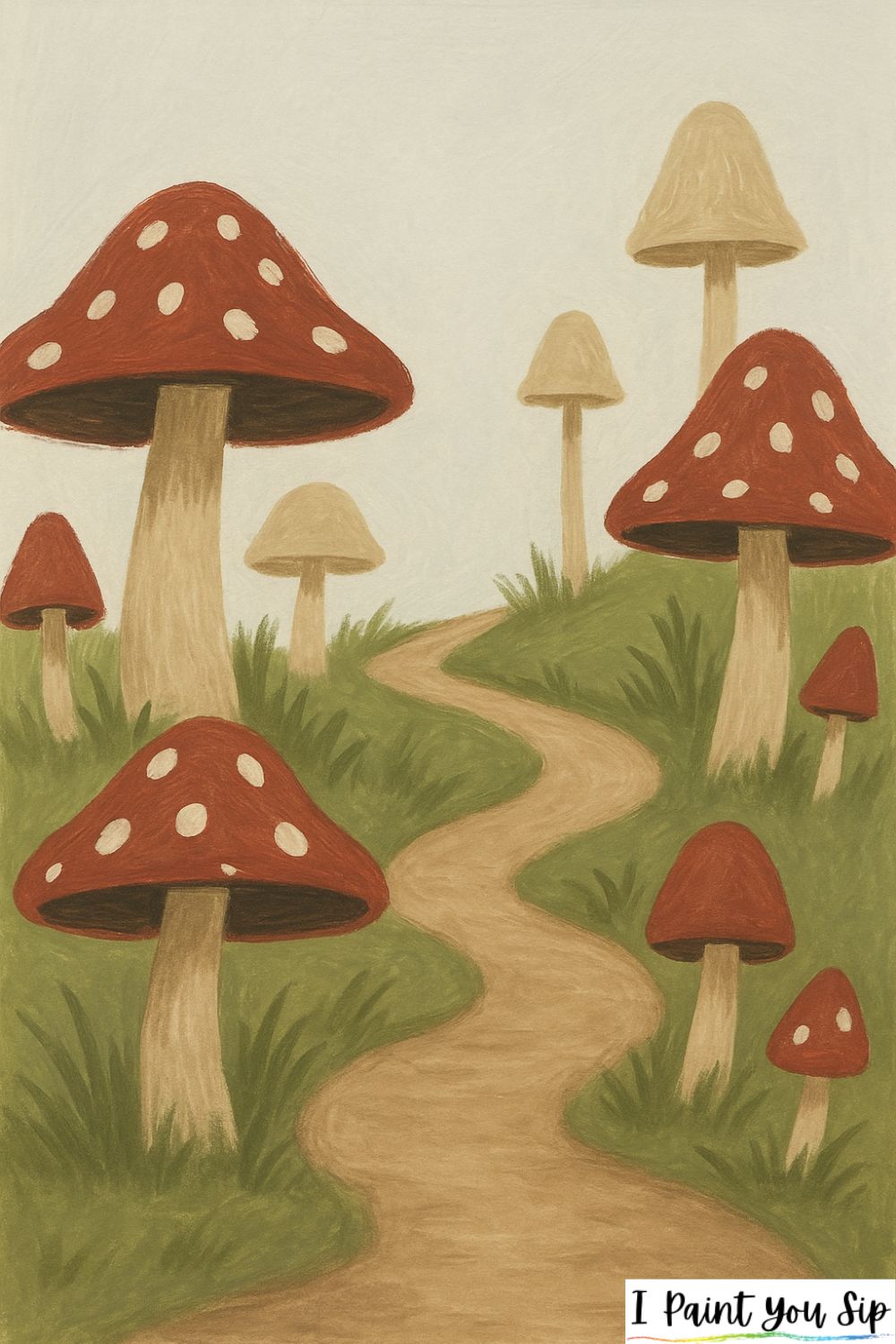
Paint a curvy path leading through oversized whimsical mushrooms. Keep your shapes simple: rounded caps, dotted tops, and tall stems. It feels like something out of a gentle forest storybook.
Conclusion
Nature provides endless inspiration when you look beyond the usual trees and sunsets. Even the tiniest, quirkiest details like a raindrop, a firefly glow, or the swirl of a mushroom cap, can spark a fun and beginner-friendly painting. The key is to stay playful, try new textures, and let go of perfection. Every brushstroke teaches you something new.
If one idea catches your eye, start there. Or mix a few concepts together and make something uniquely yours! And when you’re ready for more, you might explore floral silhouettes, abstract nature textures, or watercolor landscapes next.
Remember: creativity is a space where everyone belongs, and you’re already on the right path just by picking up a brush. Let nature guide you and enjoy every moment.

Jessie has a passion for bringing people together through creativity and socializing. She has organized many painting events that have left guests with lasting memories and new friendships. She’s also been to various sip events to unleash her own creativity and connect with like-minded individuals.