
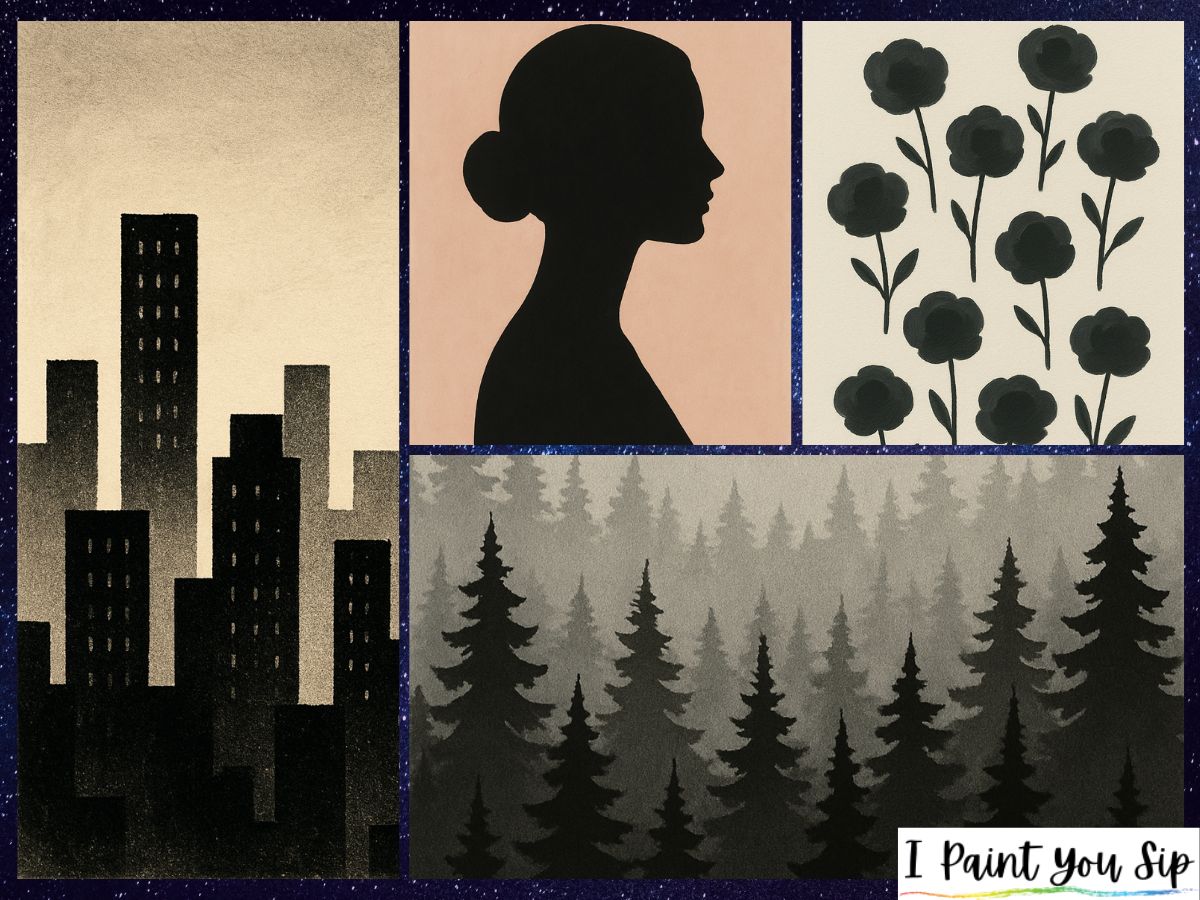
When was the last time you made something just for fun, without worrying whether it turned out “right”? If you haven’t played with paint in a while, monochromatic art is the perfect way to ease back in. It simply means painting with one color (plus black or white), and honestly, it’s way easier than it sounds. You don’t need fancy supplies, complicated blending skills, or hours of free time. All you need is a color you love and a willingness to experiment.
Monochromatic painting is wonderfully calming because you’re not juggling tons of colors, you’re focusing on shapes, tones, and simple layers. Kids enjoy it because it feels like play. Adults enjoy it because it feels like a break from the noisy, overstuffed world of “options.” It’s also a great way to practice shading, contrast, and composition.
If you’re ready to dip your brush into something soothing and creative, keep reading, I’ve gathered some of my favorite monochromatic ideas you can start today.
Key Takeaways
- Monochromatic painting is beginner-friendly and low-pressure.
- You only need one main color, plus black and white if you want different tones.
- This style helps you practice shading and layering without feeling overwhelmed.
- Great for kids, teens, adults, and creative family time.
- You can adapt every idea to fit your style, mood, and favorite color.
#1: Moody Mountain Layers
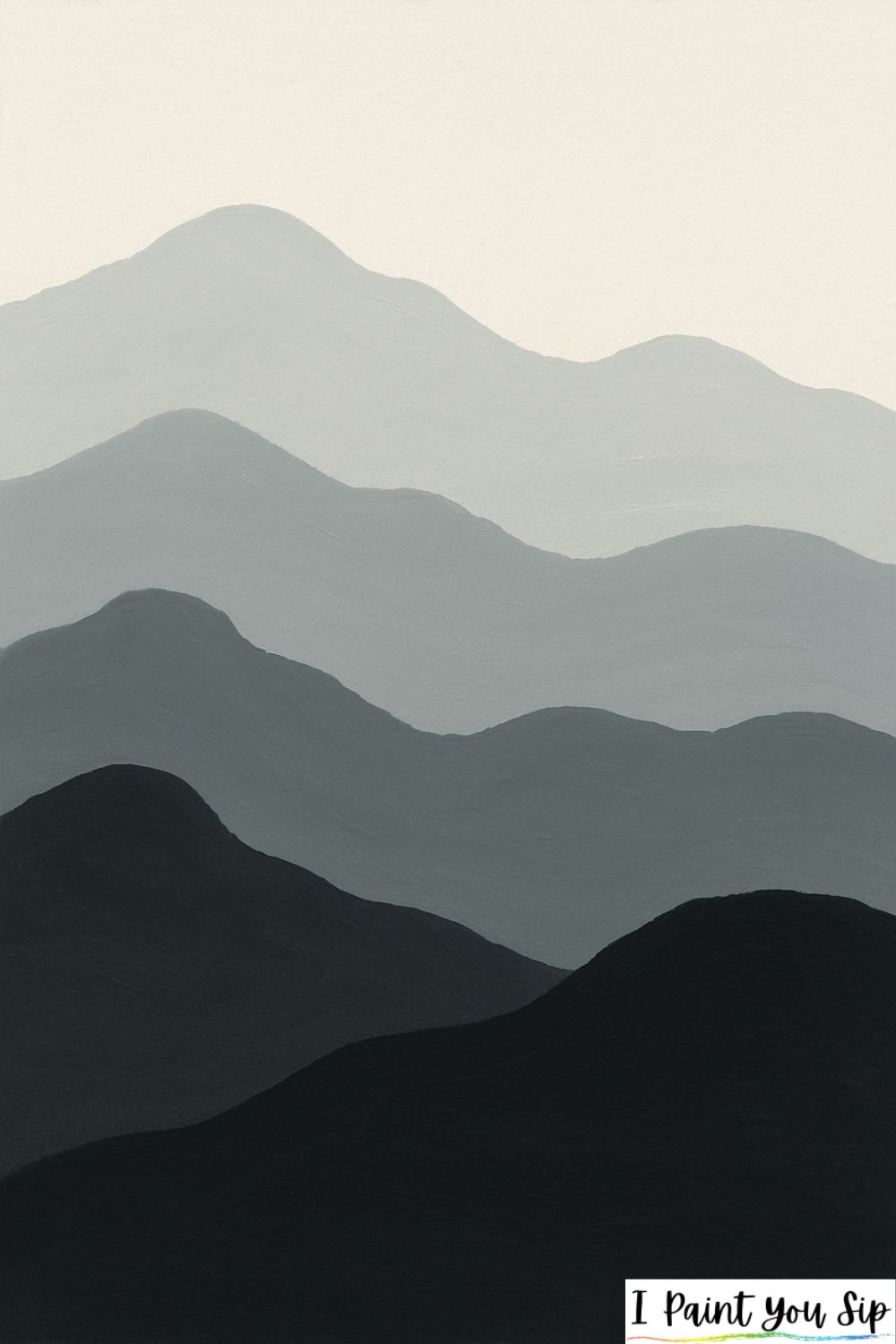
Paint soft, wavy mountain silhouettes using your chosen color. Start with the lightest shade in the background and gradually use darker tones as you move forward. This creates a dreamy sense of depth with almost no effort. It’s super forgiving, even wobbly lines look beautiful.
Pro tip: A dry brush helps you blend those soft edges.
#2: Gradient Sky Wash
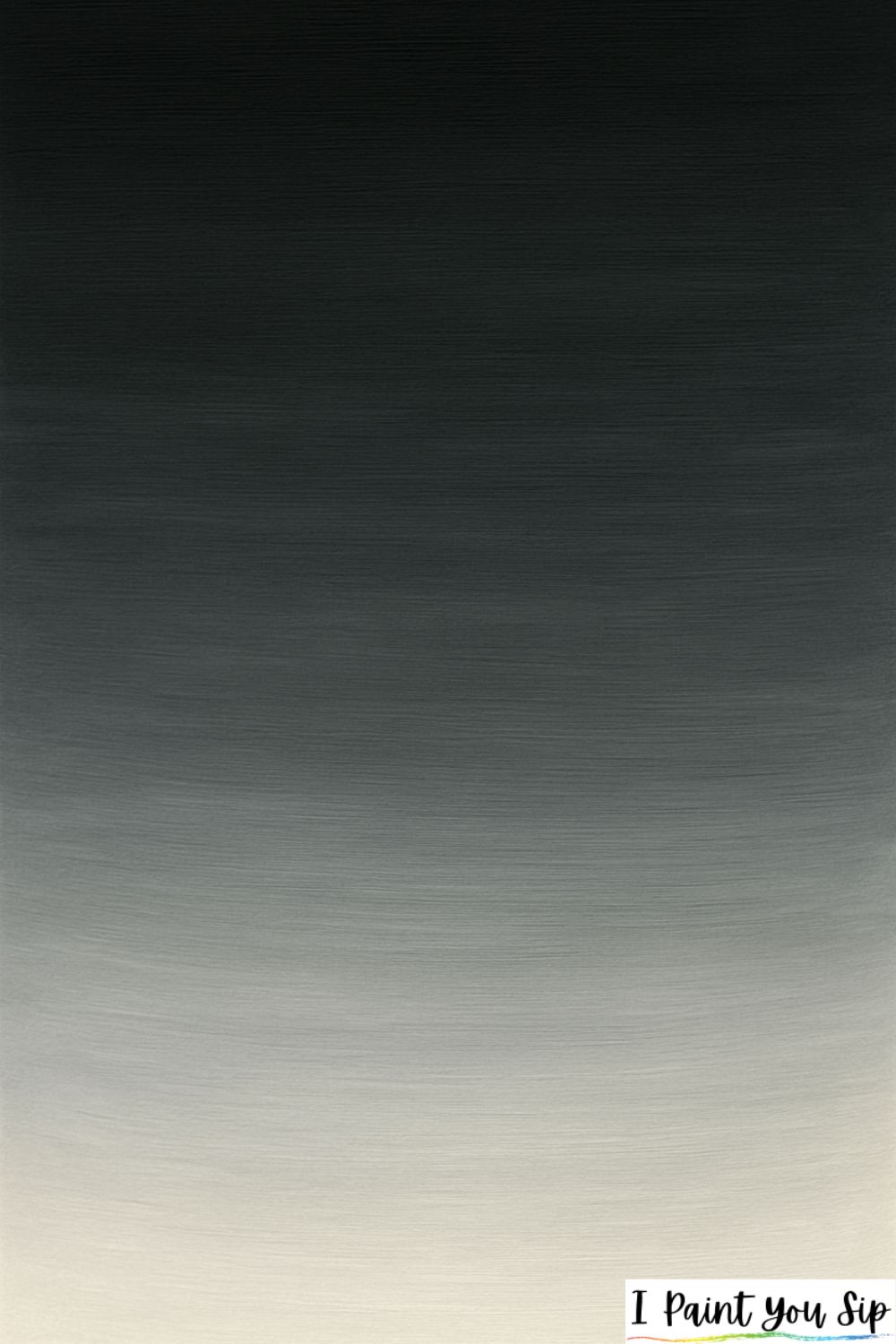
Cover your canvas in one big gradient, light at the bottom, dark at the top (or vice versa!). Use wide brush strokes and blend as you go. This is a great warm-up painting when you just want your hands to move. I love this one for its meditative vibe.
Pro tip: Work quickly while the paint is wet for smoother transitions.
#3: Silhouette Shapes in One Color

Paint a simple background wash, then add darker shapes on top, birds, trees, flowers, whatever you like. Because it’s all one color, the shapes feel bold and graphic. If you’re a beginner, silhouettes are a perfect confidence boost.
Pro tip: Use stencils if freehanding makes you nervous.
#4: Paint-Blob Flowers
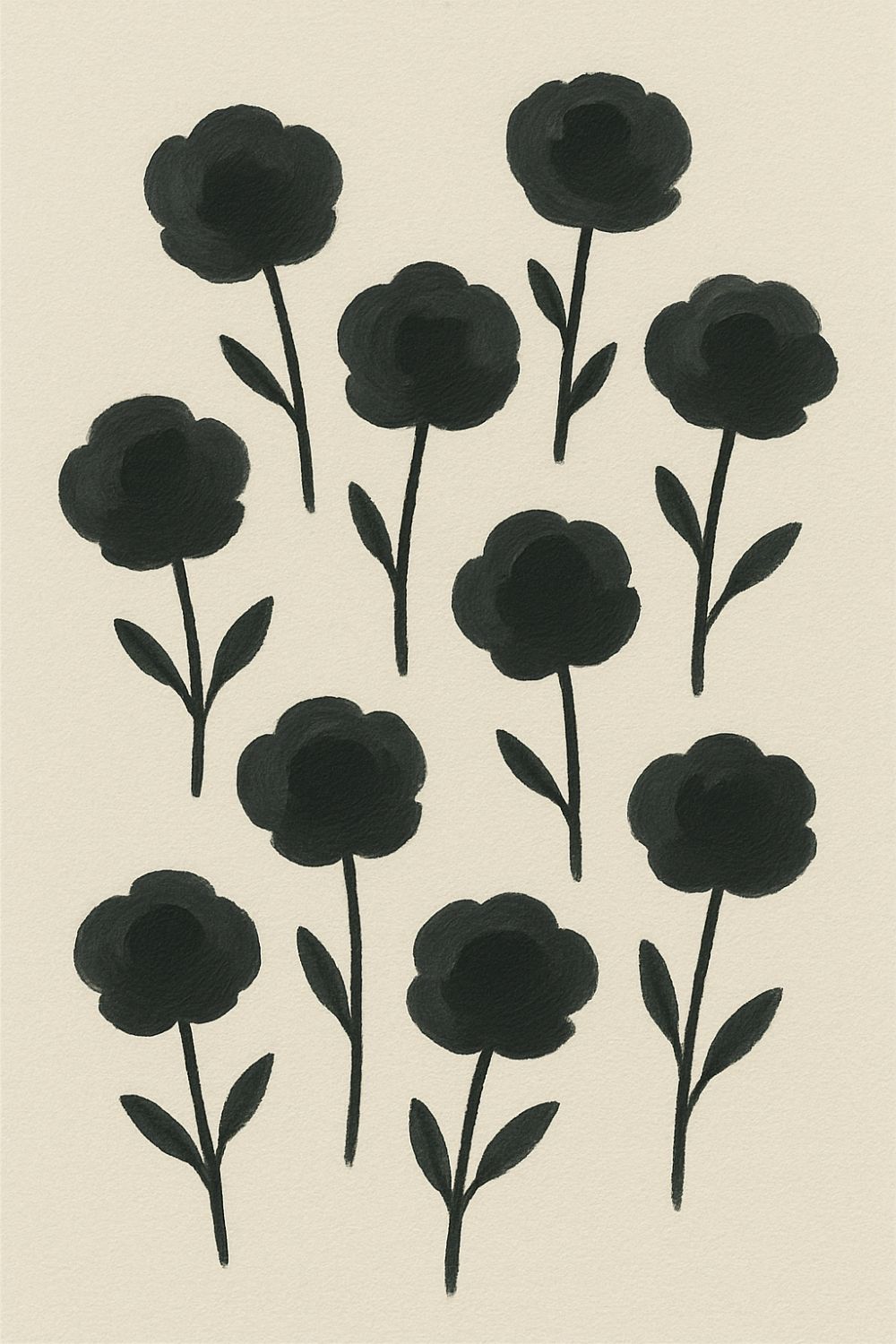
Dip your brush in your chosen color and make loose, round blobs for flowers. Add darker blobs on one side to hint at shading. This style looks beautiful even when it’s messy. Kids especially love it because it feels like doodling with paint.
#5: Simple Wave-at-Sea Scene
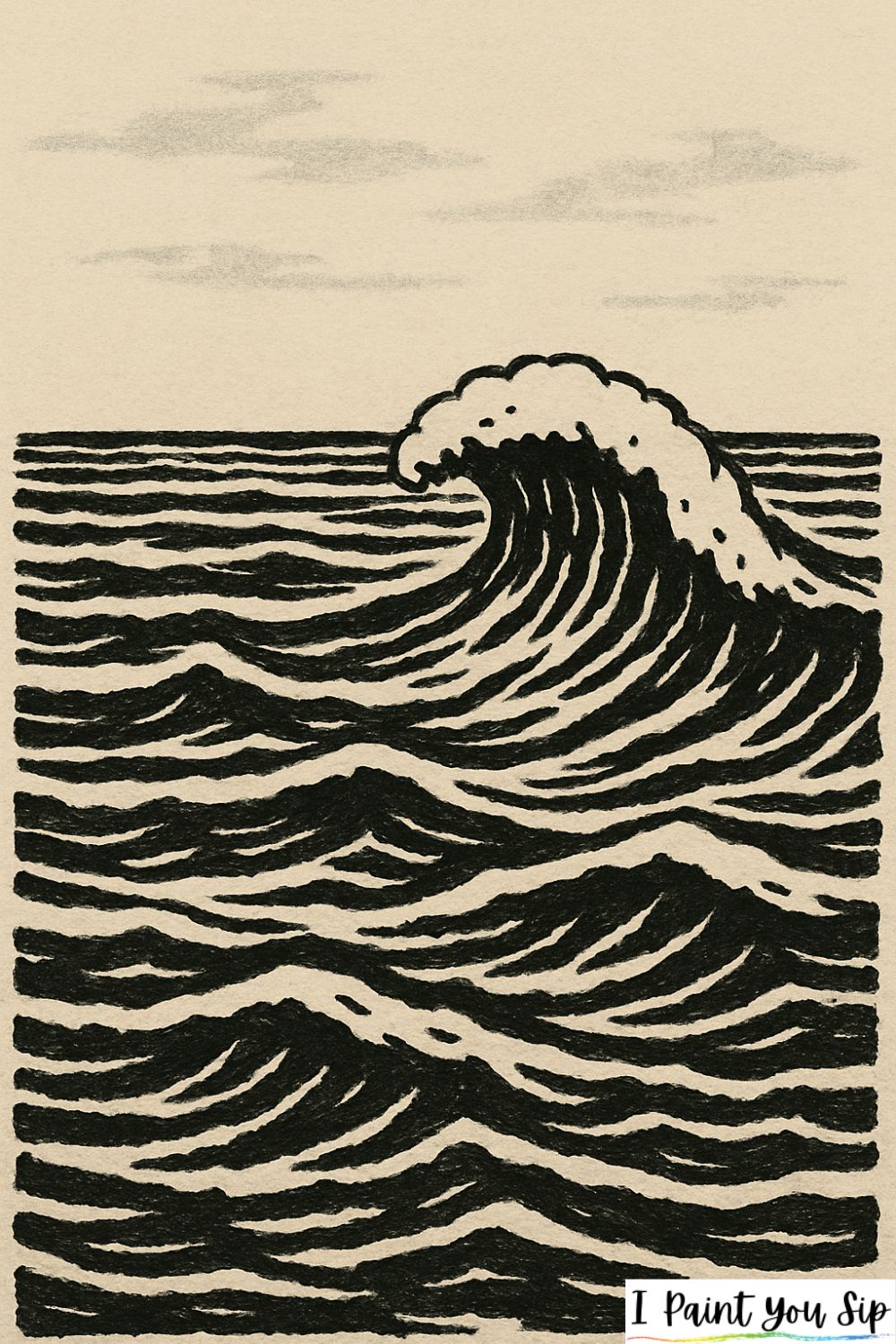
Start with a light base, then add layered stripes of darker tones to create the look of ocean waves. They don’t have to be perfect, waves never are! This is a fantastic project for practicing contrast.
Pro tip: A flat brush makes those wave shapes extra easy.
#6: Bold Monochrome Abstract
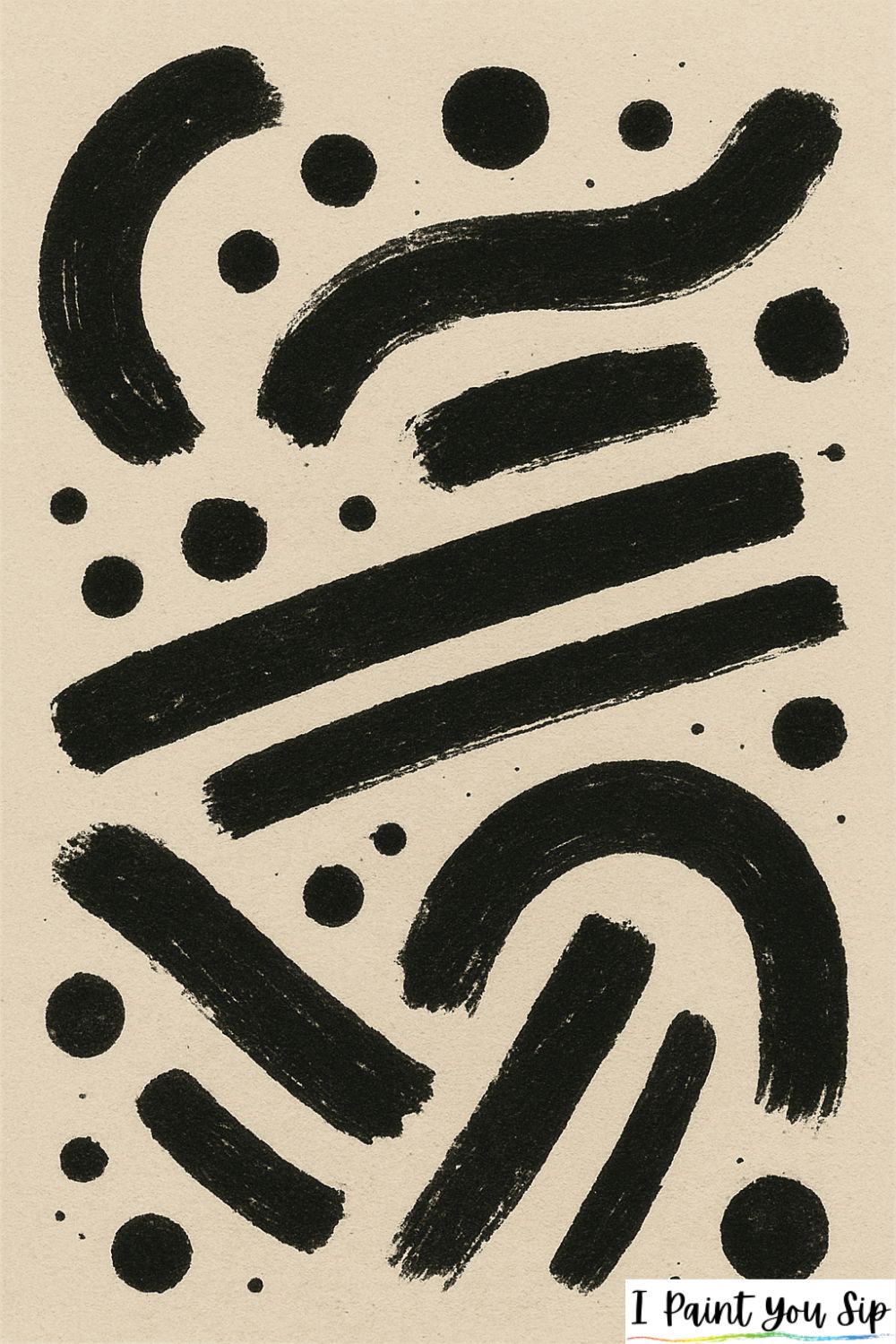
Let go a little: paint stripes, dots, splashes, or blocks of one color. Focus on movement, rhythm, and balance instead of “accuracy.” These abstract pieces often turn out more professional-looking than you’d expect.
Pro tip: Try rotating your canvas as you work for unexpected compositions.
#7: Minimalist Line Art in One Tone
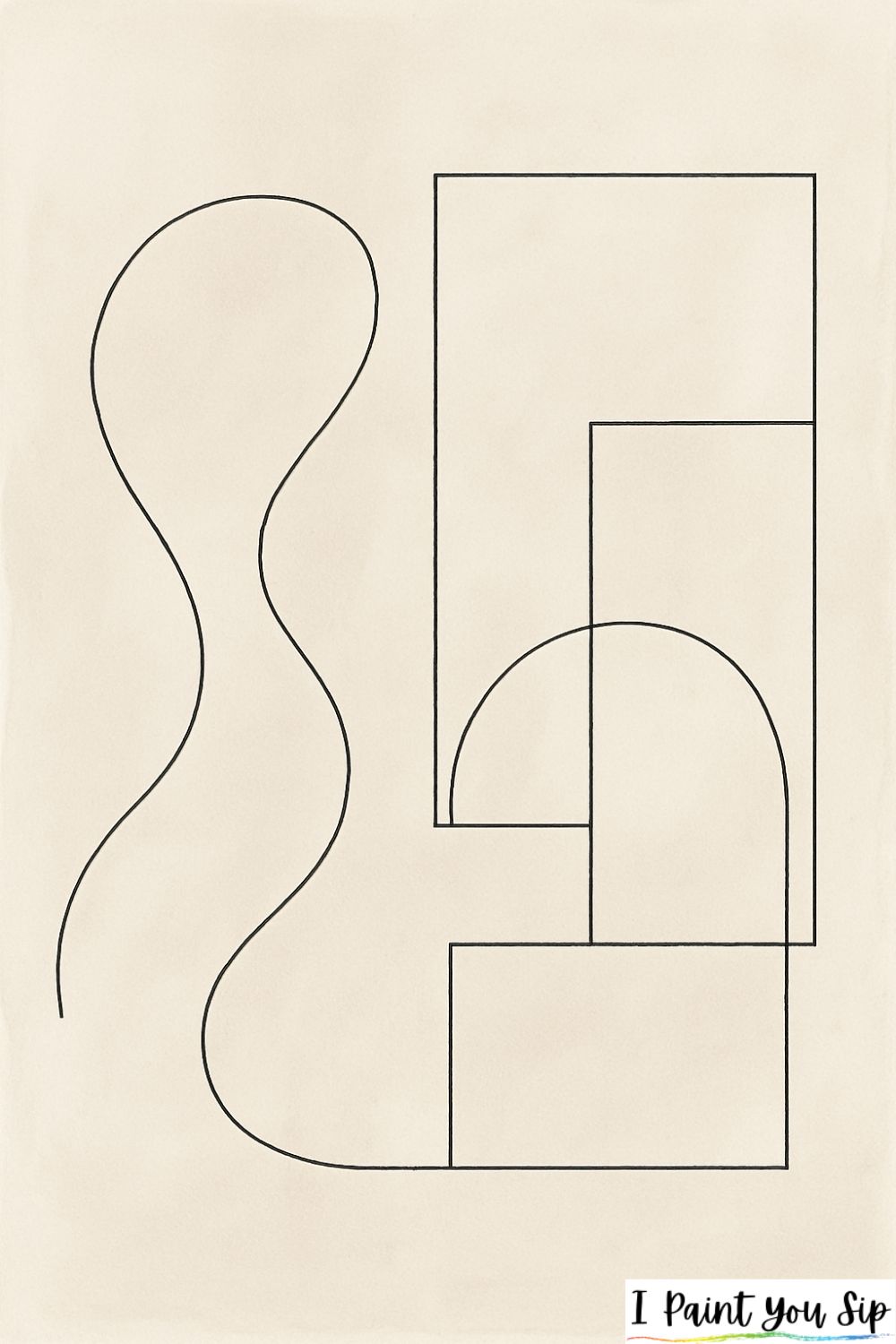
Paint a light wash first, then draw swooping or geometric lines with a darker shade. It’s clean, modern, and satisfying. This is perfect if you prefer artwork that feels simple and uncluttered.
#8: Repeating Patterns
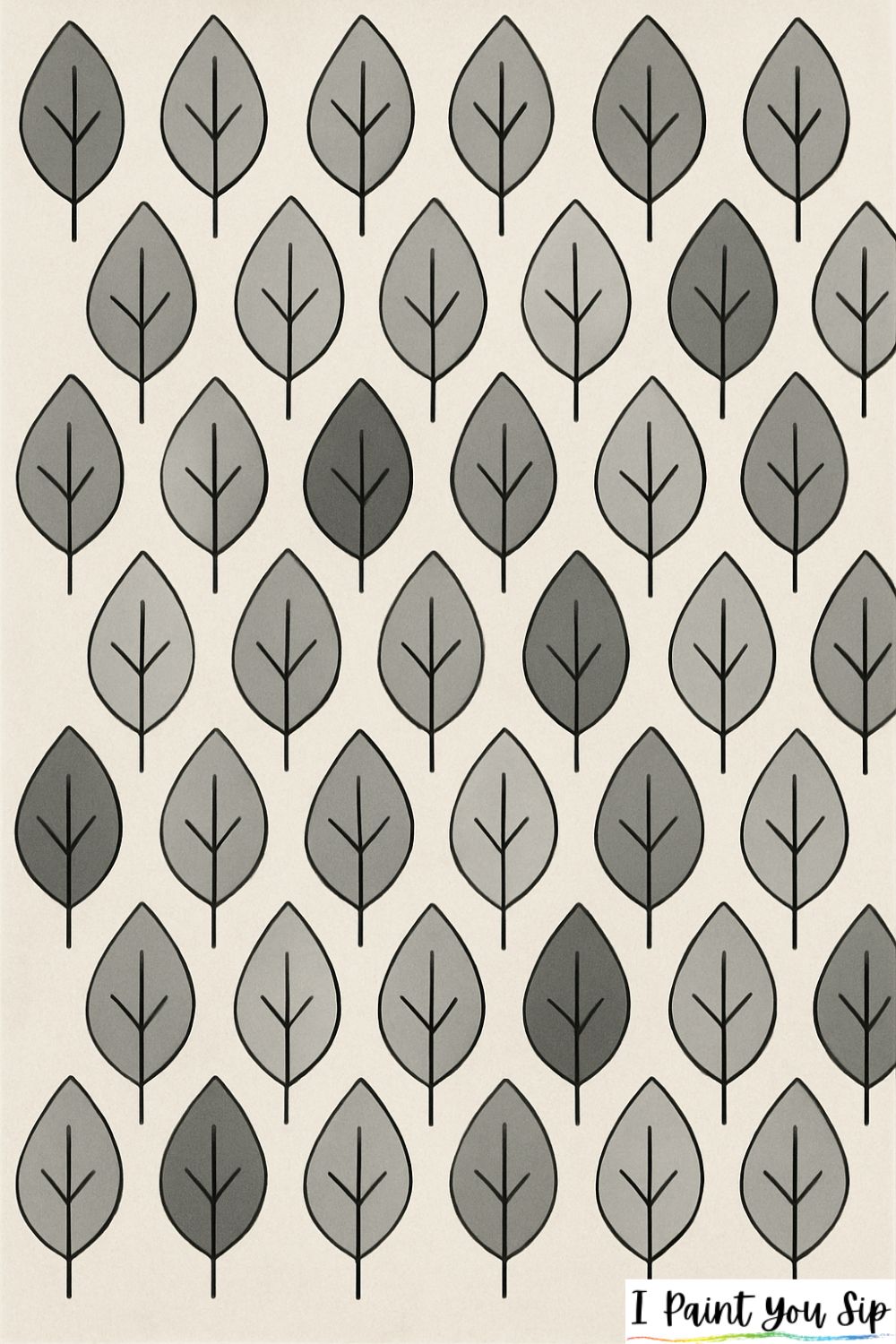
Choose a shape: circles, triangles, leaves and paint it repeatedly in different tones of your color. It’s a relaxing, repetitive project you can do while listening to music or chatting.
#9: Monochrome Portrait Silhouette
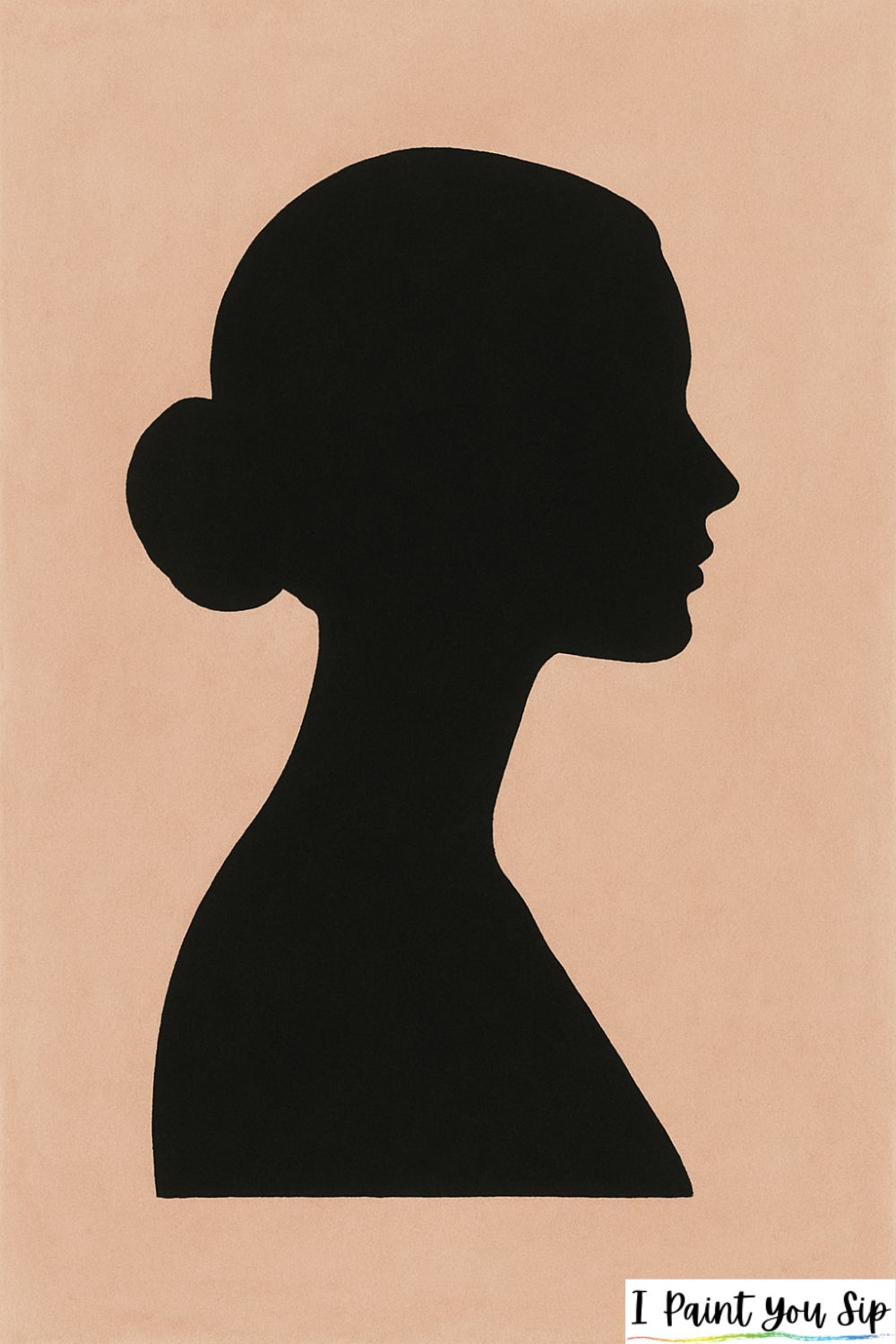
Paint a solid background, then use the darkest shade of your color to create a facial profile or bust. It’s striking but incredibly beginner-friendly.
Pro tip: Trace a printed photo to get a clean outline.
#10: One-Color Forest
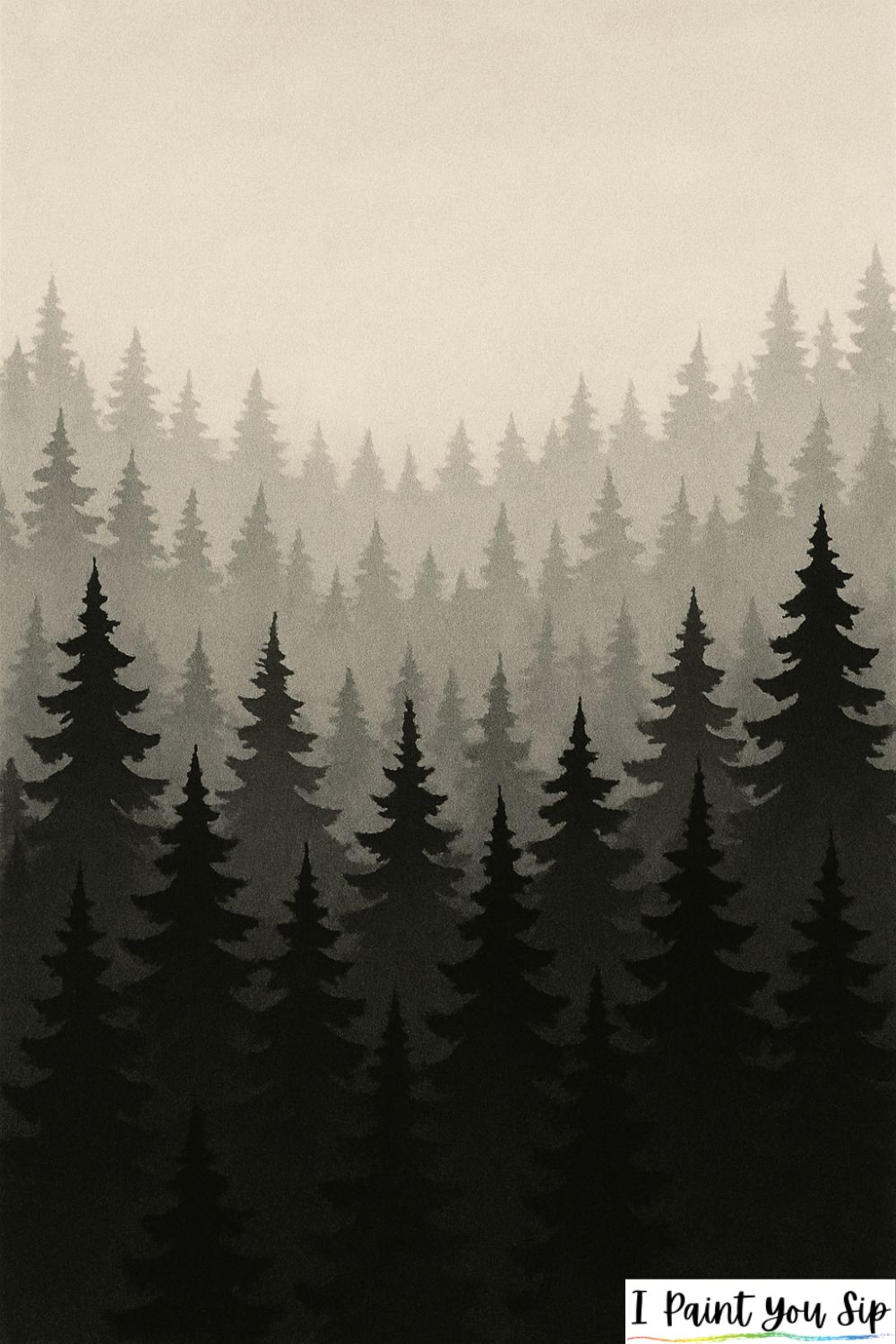
Create layers of pine trees, starting with pale ones in the distance and darker ones up front. Just like the mountains idea, this gives you instant depth without complex details.
#11: Monochrome Mandala
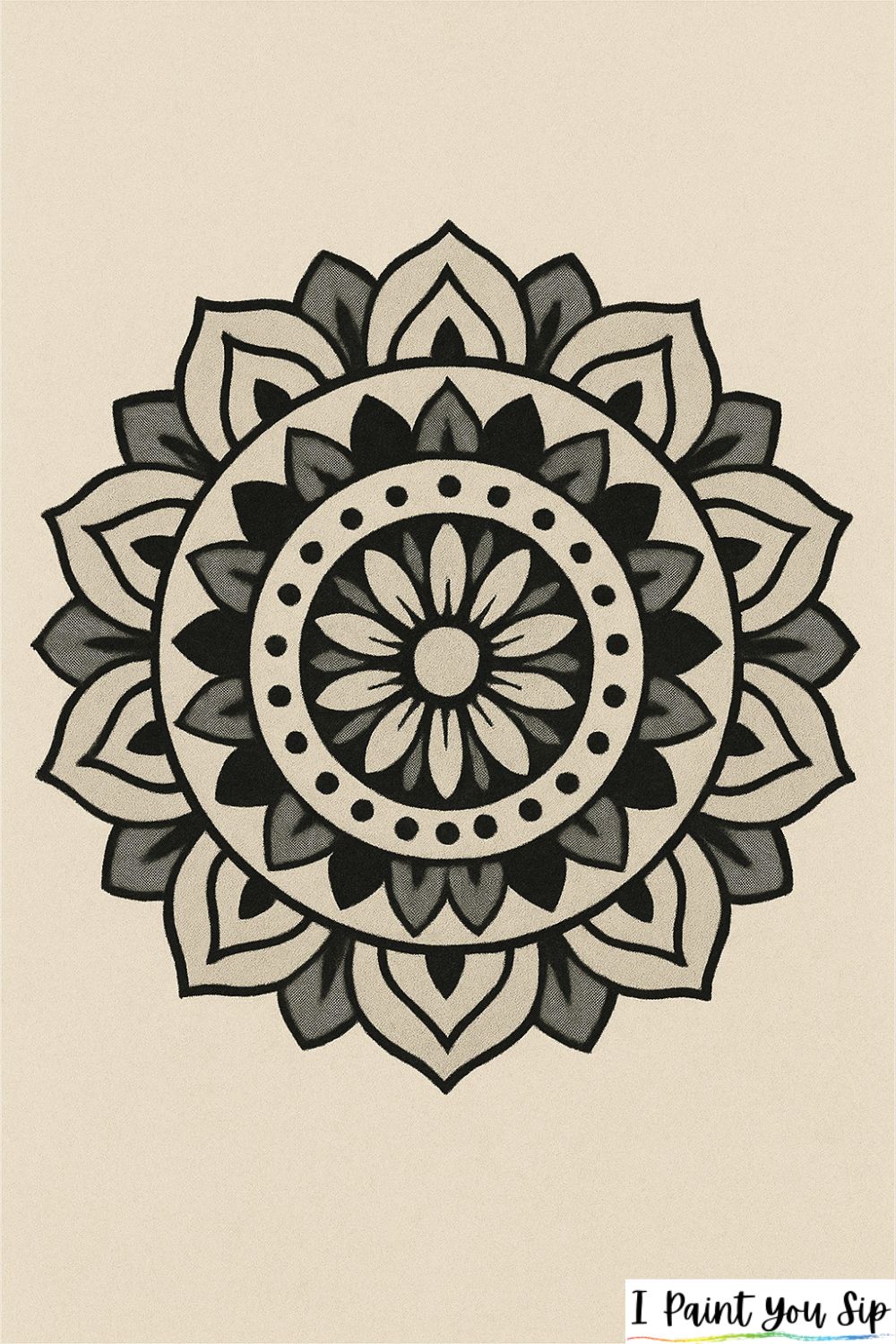
Draw a simple circle, then fill it with repeating shapes using lighter and darker tones. Mandalas are soothing to work on and they always look impressive, no matter your skill level.
#12: Blocky City Skyline
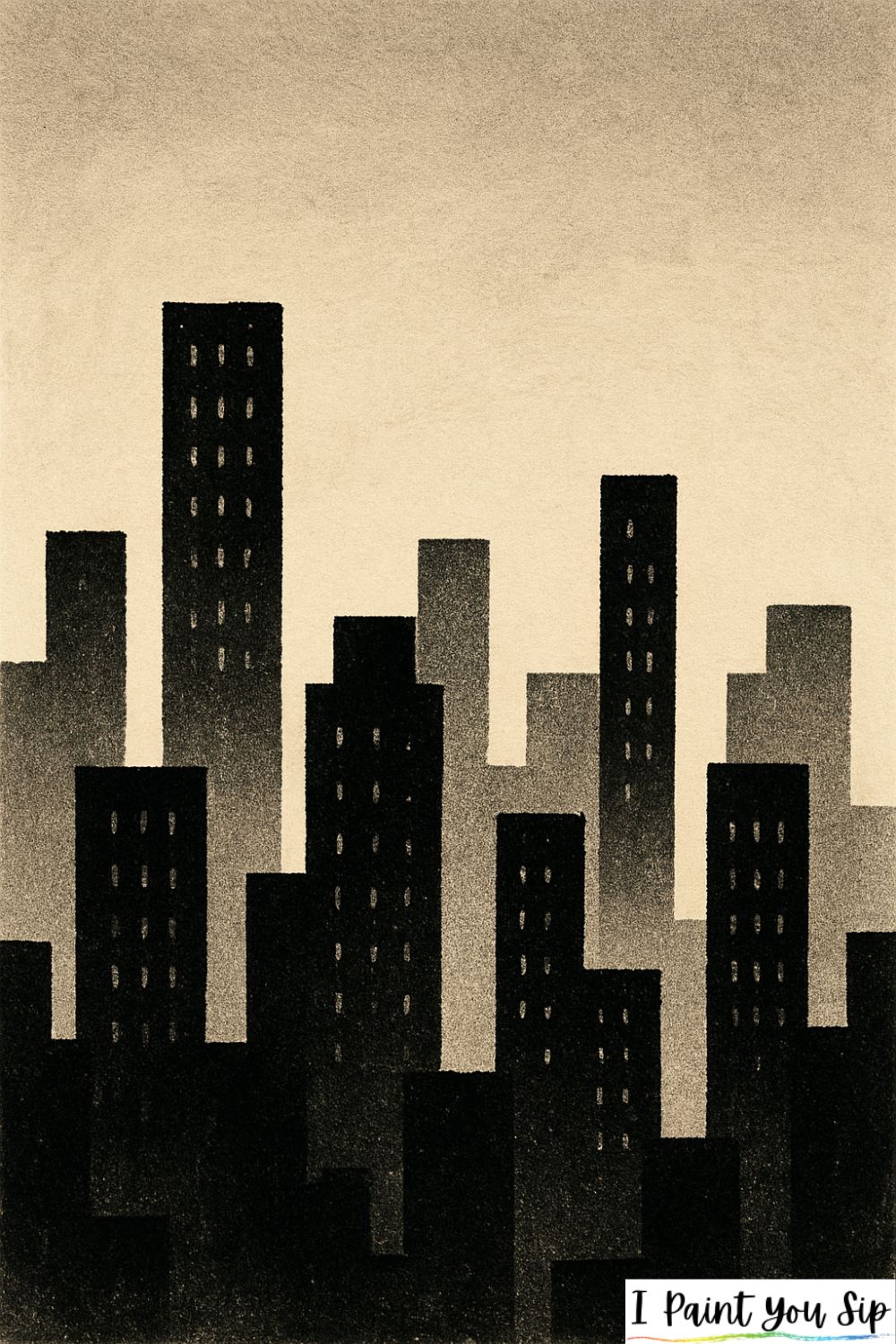
Paint a gradient background, then add rectangles for buildings using darker tones. Add small dabs or thin lines for windows. It’s graphic, stylish, and surprisingly easy.
#13: Watercolor Feather
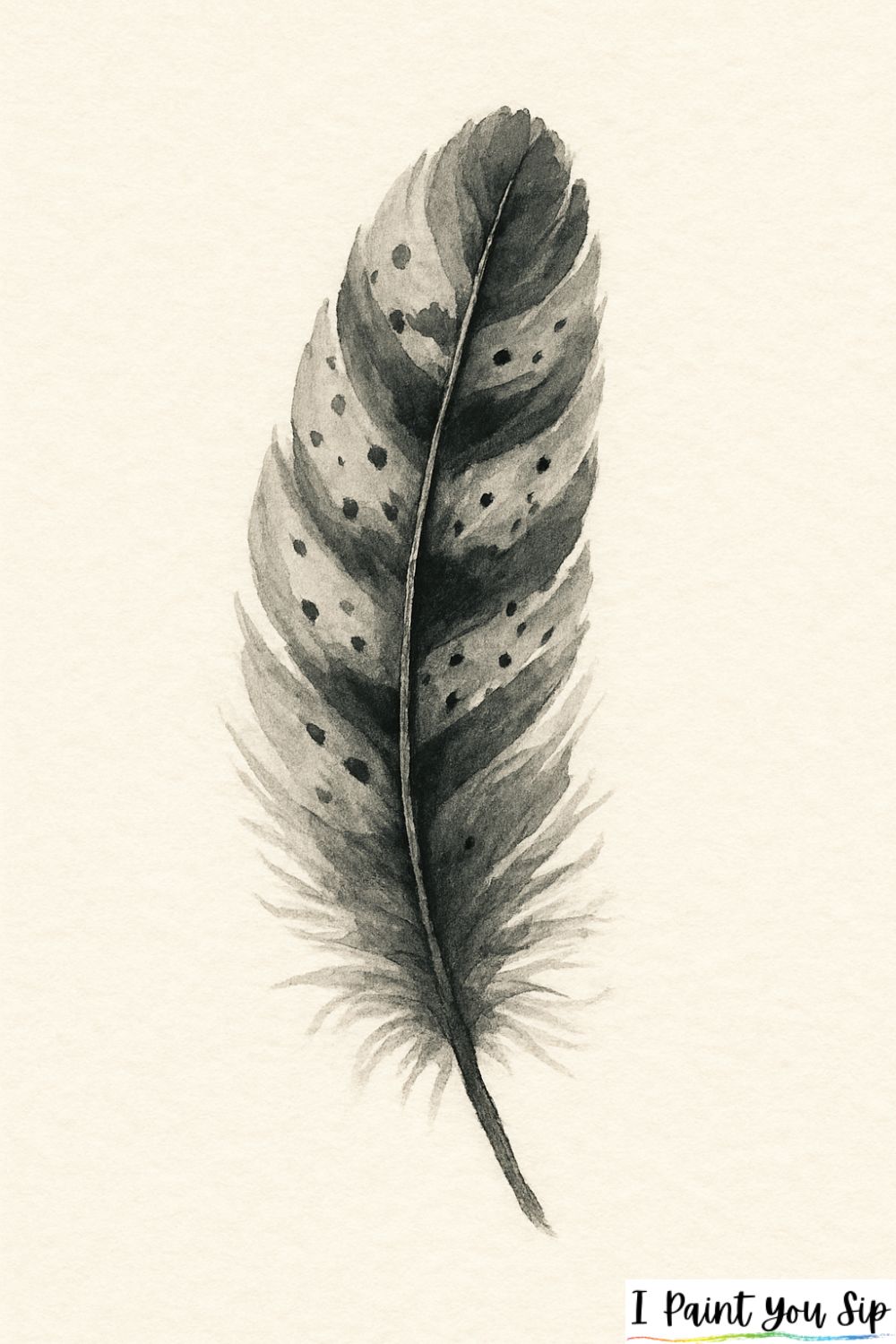
Start with a faint, light-colored feather shape. Then add darker stripes, dots, or soft shadows. The feather doesn’t have to be perfect, its looseness is part of its charm.
#14: Monochrome Constellation Night
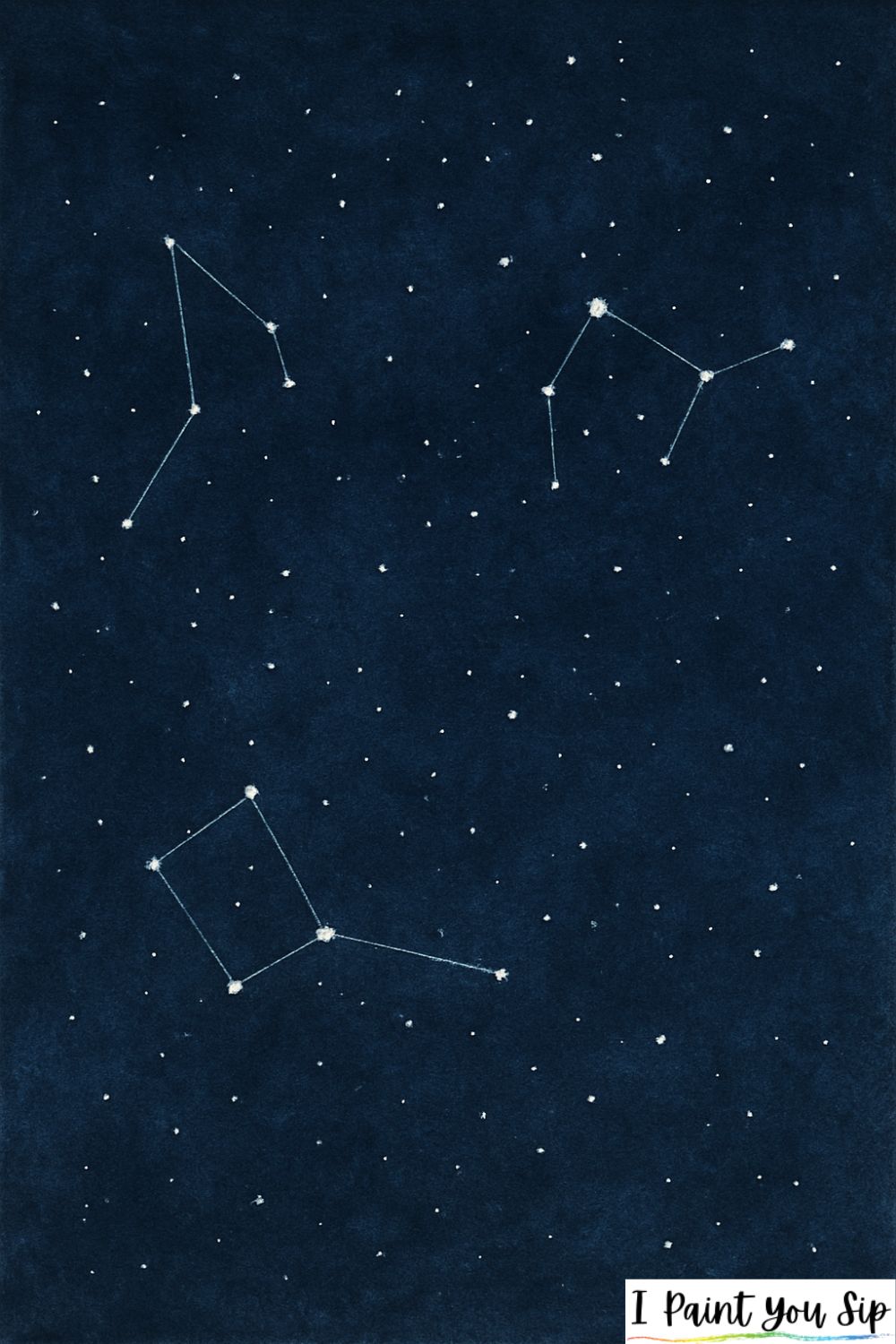
Paint a deep shade of your color as the sky, then add lighter dots for stars. Connect a few stars with thin lines to make simple constellations. It feels magical, especially in blues or purples.
#15: Leaf Cluster Study
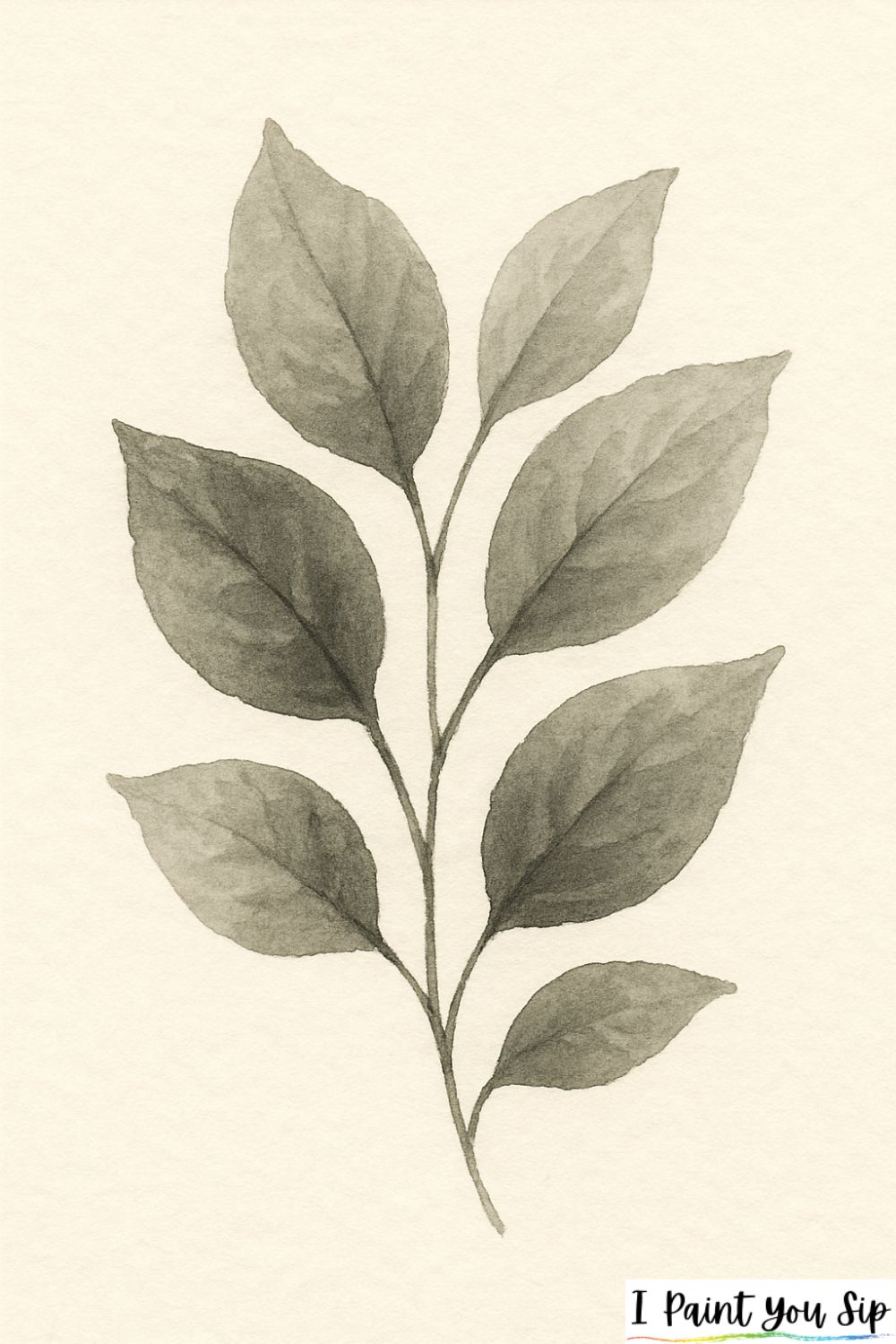
Paint several leaves using only your chosen color, but vary the tone for each one. You’ll get a natural, soft botanical study with barely any effort.
Pro tip: Don’t outline every leaf, let some fade softly.
#16: Soft Monochrome Clouds
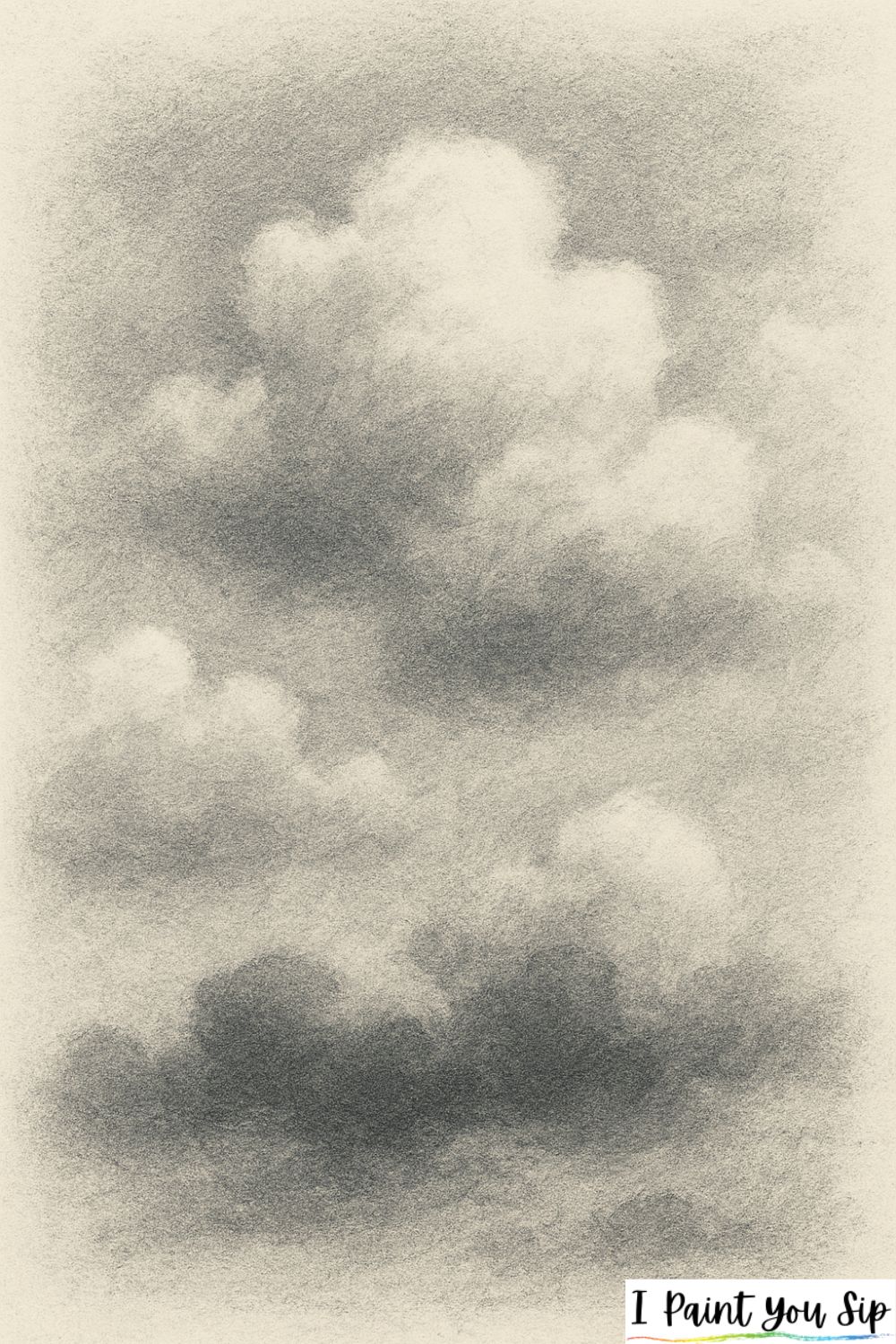
Use a sponge or fluffy brush to tap on cloud shapes in lighter tones. Add darker shading underneath for dimension. This is one of the easiest ways to make atmospheric art.
#17: One-Color Horizon Line
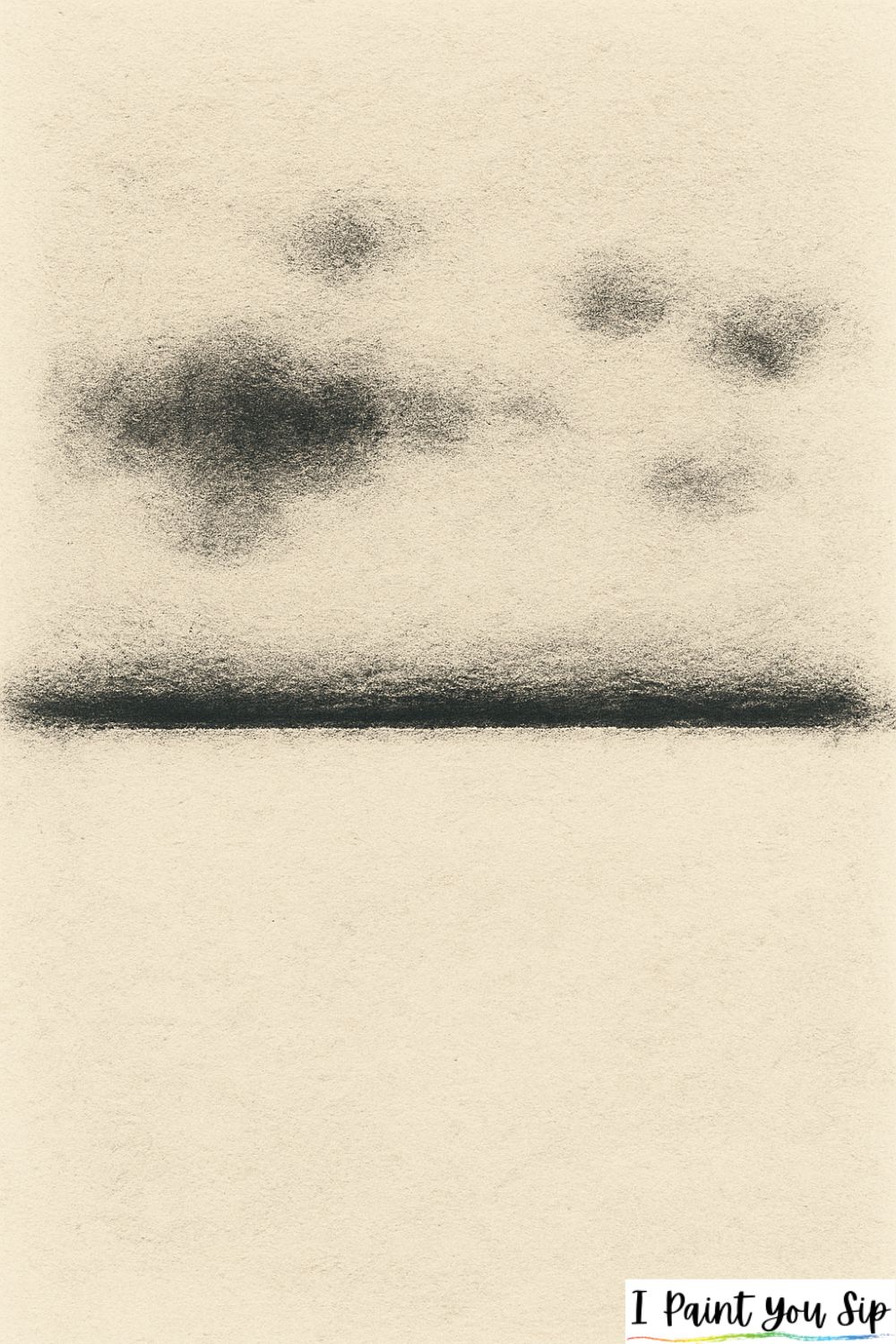
Paint a light wash, then sweep a darker horizontal line across your canvas. Add a few abstract shapes or smudges above or below it. It’s minimal, modern, and perfect for beginners who want something stylish.
Conclusion
Monochromatic painting is one of those art styles that welcomes everyone from total beginners to seasoned creatives. You don’t need to juggle a dozen colors or know complicated techniques. All you need is one hue you love and a playful spirit. Try a few of these ideas, mix and match them, or invent your own along the way. The best part of creative work is that it never has to look a certain way, it just has to feel good while you’re making it.
Remember: mistakes aren’t problems, they’re part of the process. A smudge can become a shadow. A drip can become a texture. A “wrong” color value might end up more interesting than the one you planned.
If you enjoyed these monochromatic ideas, you might also like trying limited-palette florals, grayscale studies, or simple line-and-wash sketches. Keep experimenting, keep playing, and keep giving yourself permission to make art that feels good. Creativity truly belongs to everyone, including you.

Jessie has a passion for bringing people together through creativity and socializing. She has organized many painting events that have left guests with lasting memories and new friendships. She’s also been to various sip events to unleash her own creativity and connect with like-minded individuals.