
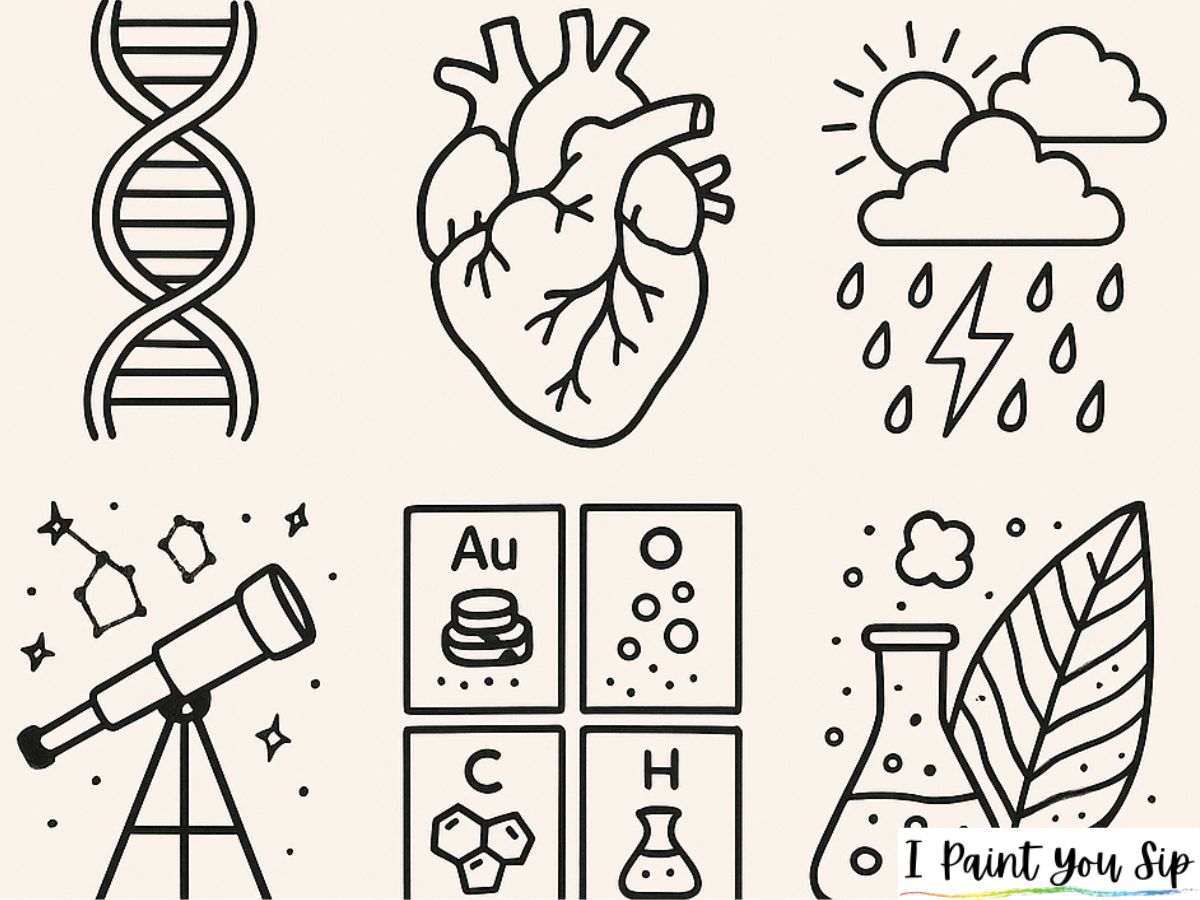
Have you ever stared at the night sky, a leaf under a magnifying glass, or a colorful chemical reaction and thought, “Wow, that would be fun to draw?” Science isn’t just about numbers and formulas, it’s also full of beauty, mystery, and creativity. Drawing science-themed ideas lets you explore the world around you with wonder, whether you’re sketching atoms or dinosaurs.
The best part? You don’t need to be a scientist (or an artist!) to try. A pencil, a bit of imagination, and some curiosity are all you need. These drawing ideas are great for beginners, kids, teachers, or anyone who loves mixing art and discovery. Grab your sketchbook, let’s make science look amazing!
Key Takeaways
- You can combine learning and creativity while drawing scientific subjects.
- Simple shapes make even complex topics easy to sketch.
- Perfect for school projects, wall art, or just for fun.
- Great way to appreciate the beauty in nature, space, and inventions.
- Mistakes? They’re just part of the experiment!
#1: The Solar System
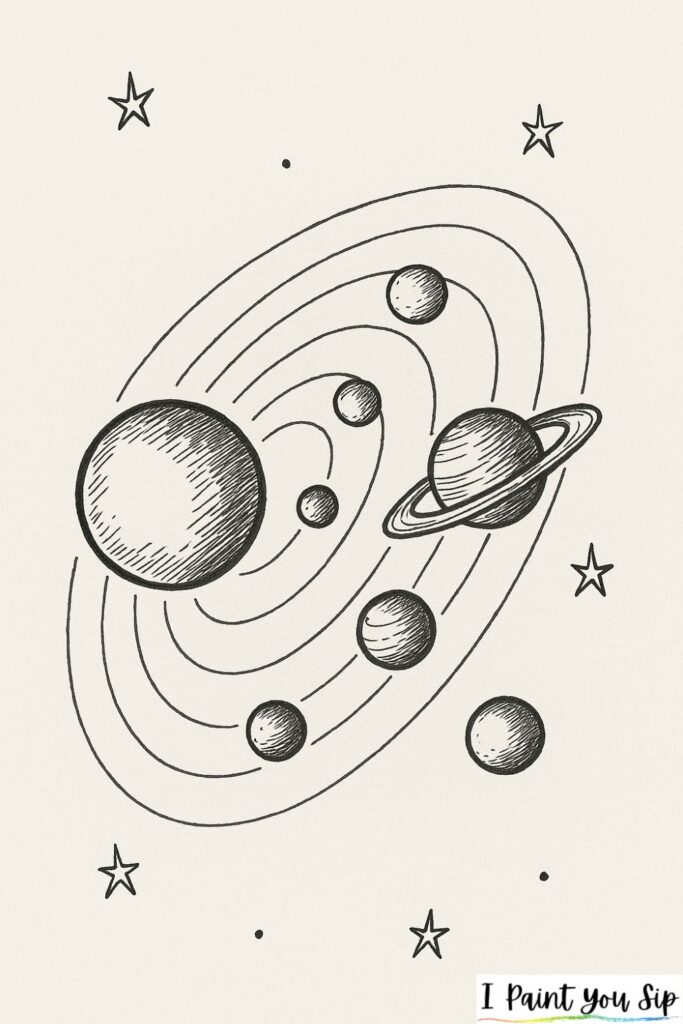
Start with circles, lots of them! Draw a big one for the sun, then smaller ones for each planet. Add rings around Saturn and a few stars in the background. This is a great exercise in size, spacing, and shading.
Pro tip: Use colored pencils or watercolor to make each planet pop.
#2: A Microscope Close-Up

Imagine what cells or tiny creatures look like under the lens. Draw wiggly shapes, circles, and patterns, there’s no wrong way! Make it abstract or realistic depending on your mood.
Pro tip: Use fine lines and dots to give texture.
#3: A Volcano Eruption

Sketch a simple mountain shape, then add flowing lava and clouds of smoke. It’s exciting, bold, and perfect for practicing motion and energy.
Fun idea: Add a few surprised stick figures running away for a laugh.
#4: The DNA Helix
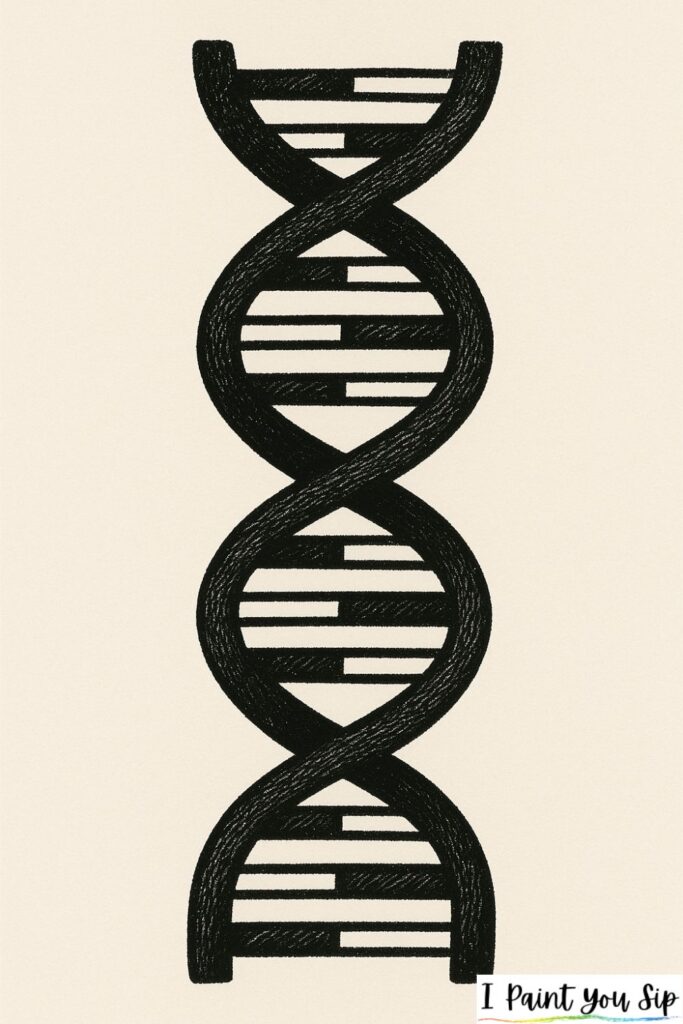
Start with two twisting lines, then connect them with short “rungs.” Alternate colors on each rung to mimic the famous double helix. It’s simpler than it looks and very satisfying once you get the curve right.
#5: The Water Cycle
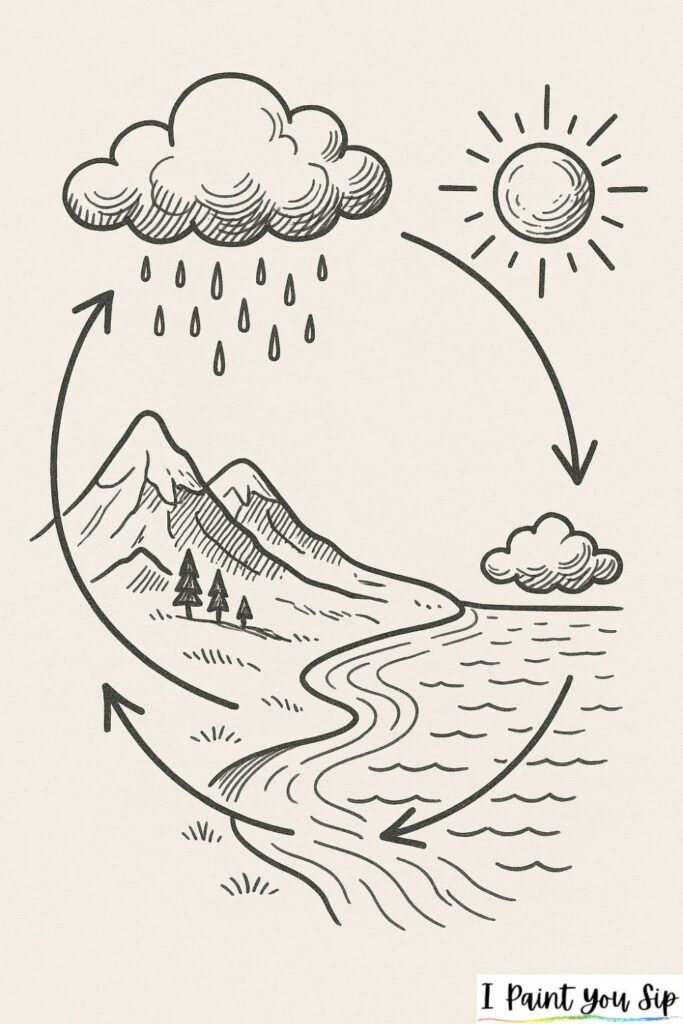
Draw clouds, rain, rivers, and the sun, all connected by arrows. It’s part doodle, part diagram, and a great way to learn how nature recycles itself.
Pro tip: Try labeling each stage with hand-lettered words for an educational touch.
#6: A Rocket Launch
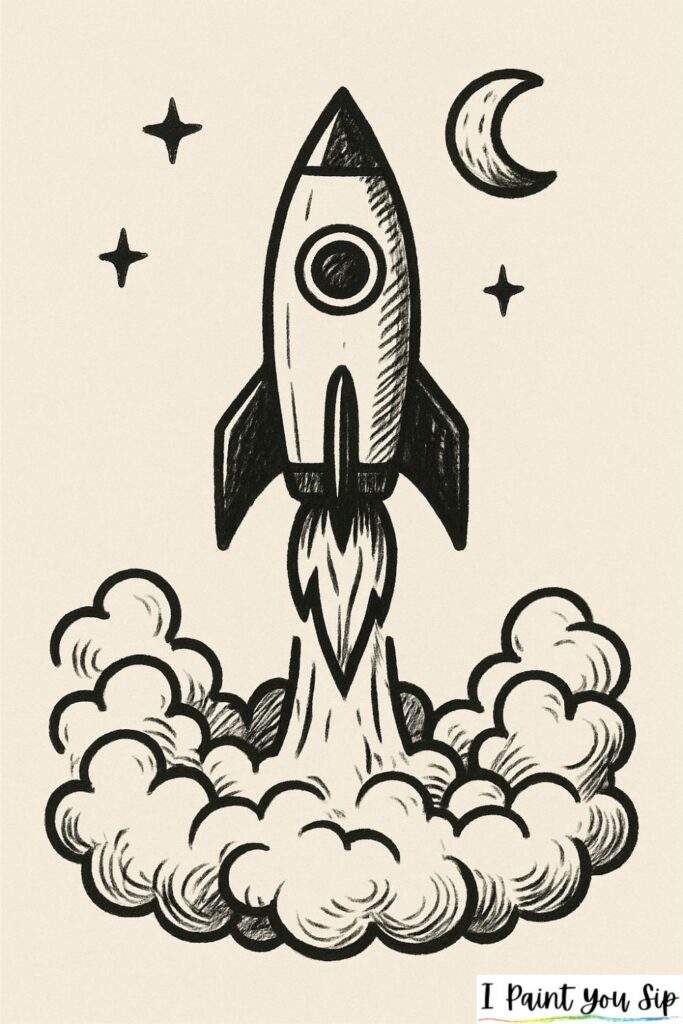
Sketch a tall rocket with bold fins, then add flames and smoke clouds bursting below. You can even draw tiny stars or a moon above to complete the scene.
I love this one because it makes you feel like your art is blasting off too!
#7: Planet Earth
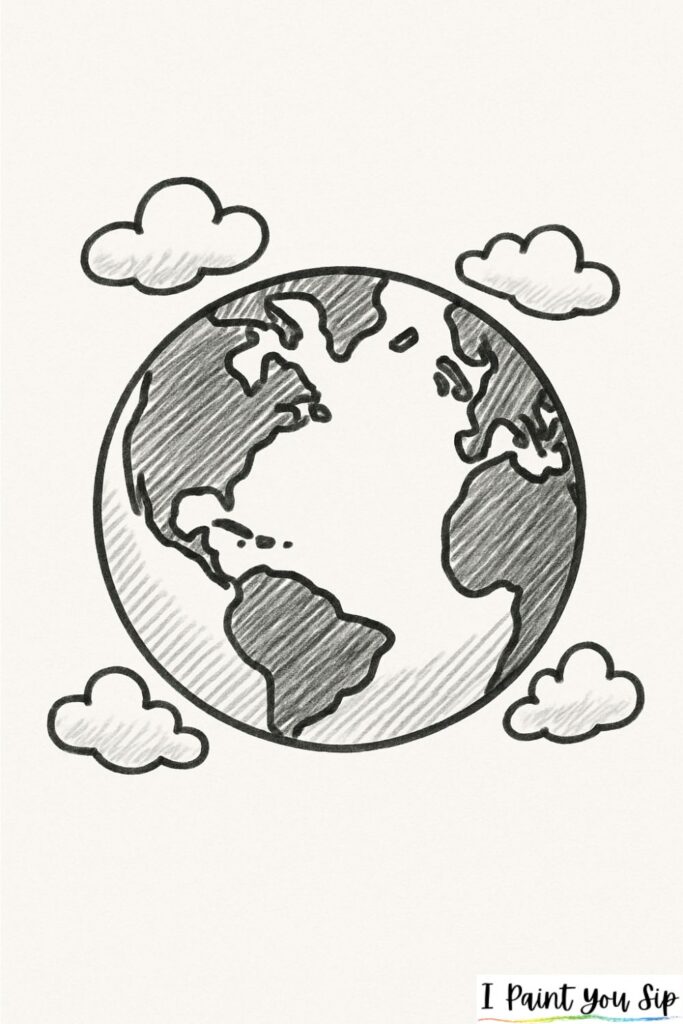
Draw a circle, then lightly outline continents. Shade the oceans and add little clouds swirling around. You can make it realistic or cute and cartoon-style, both work great.
#8: The Human Heart
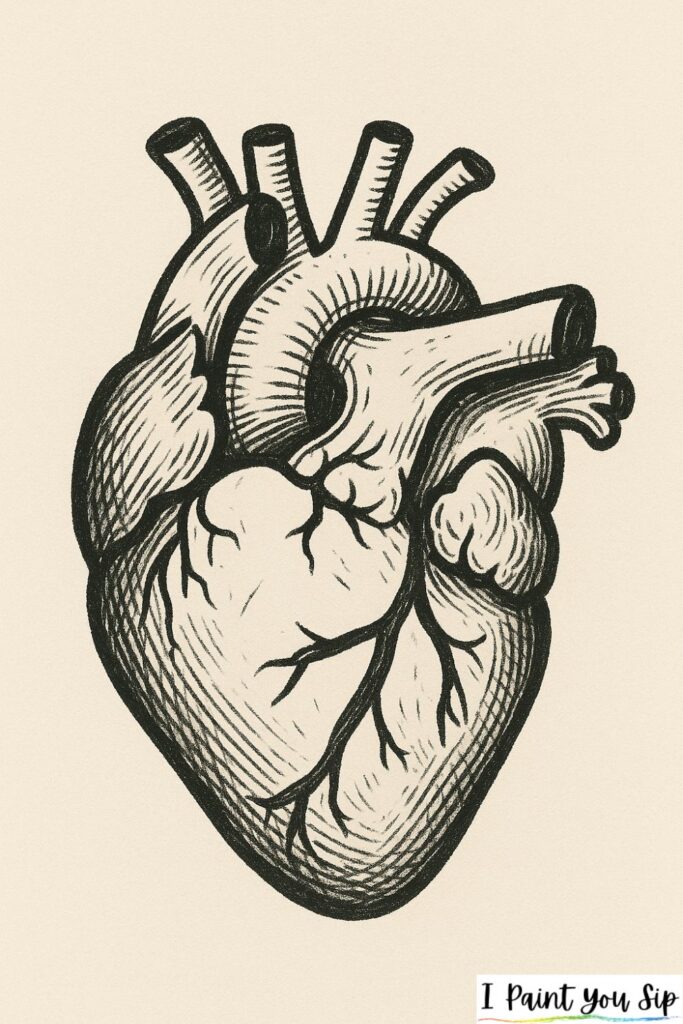
Don’t worry about perfection, start with a rounded shape like a strawberry, then add simple tubes for veins and arteries. Use red and blue to show the blood flow directions. It’s both artistic and educational.
#9: The Life Cycle of a Butterfly
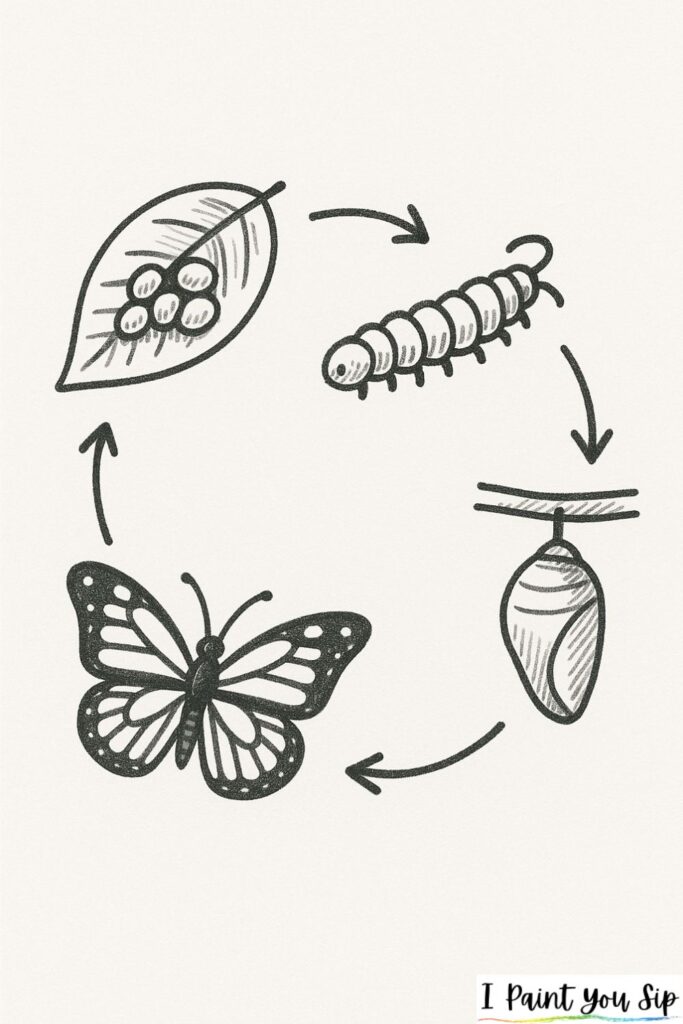
Draw four small pictures in a circle: egg, caterpillar, chrysalis, and butterfly. This one’s fun for practicing storytelling through art, nature’s transformation at its best!
#10: A Telescope at Night

Sketch a simple tripod and a long tube, then fill the sky with constellations. The contrast of dark sky and bright stars is beautiful in pen or pencil.
#11: The Periodic Table Squares
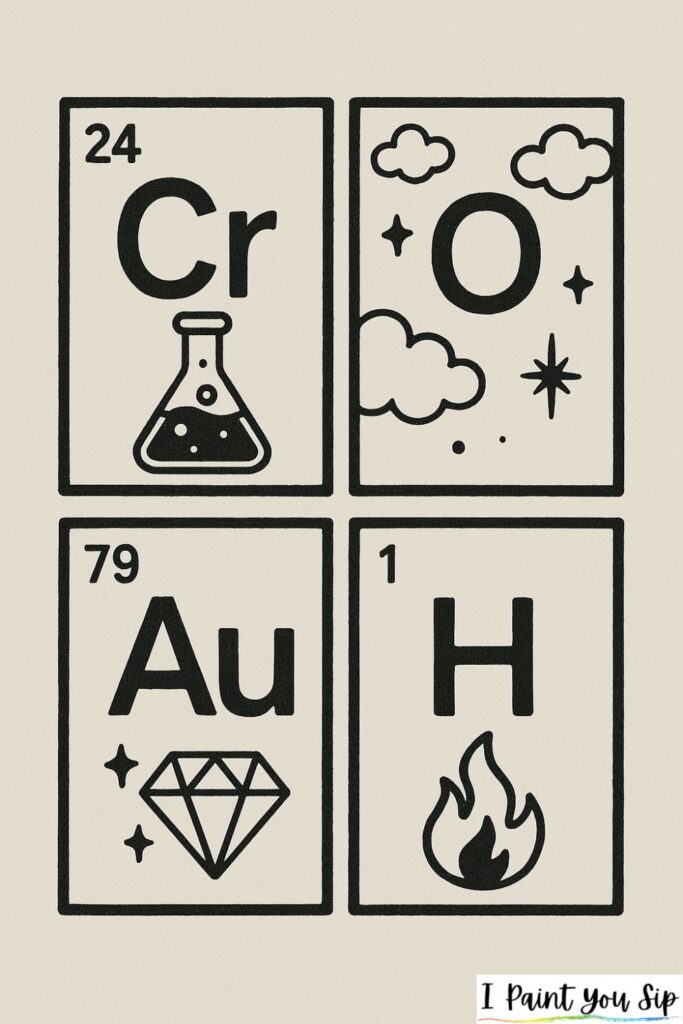
Pick your favorite elements, like gold (Au) or oxygen (O) and design them artistically. Decorate the boxes with doodles representing what they do. It’s science meets graphic design!
#12: A Robot

Combine simple shapes, rectangles, circles, and lines to create a friendly robot. Add gears or buttons to show how it “works.”
Pro tip: Try drawing it performing a task, like watering plants or holding a test tube.
#13: A Weather Scene
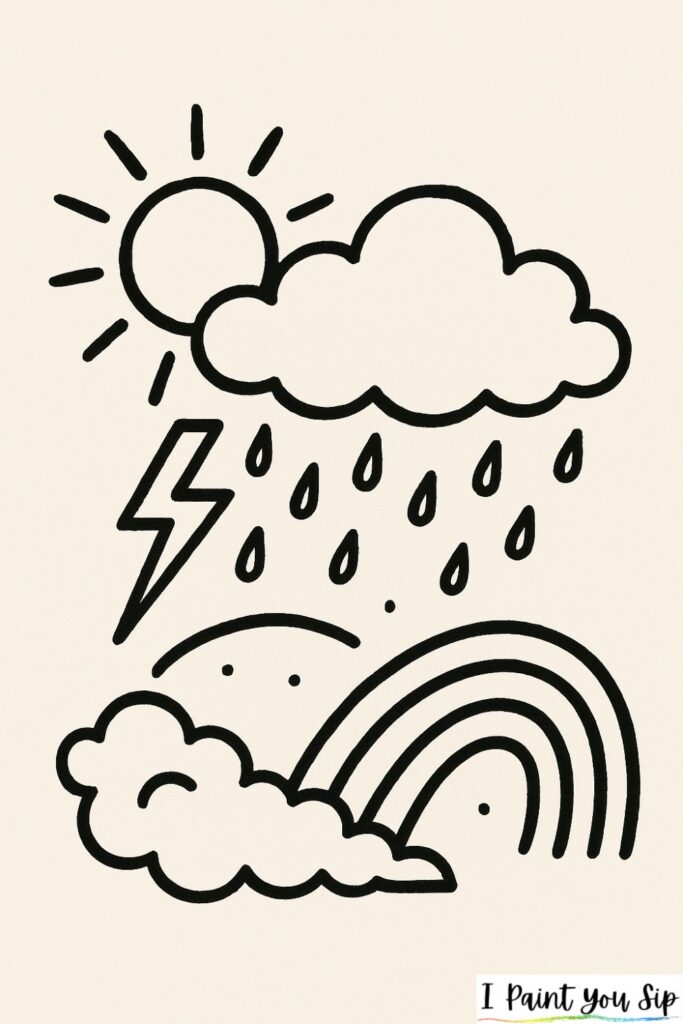
Draw sunshine, raindrops, a rainbow, or a lightning bolt. Experiment with how different lines and shapes can show different kinds of energy in the sky.
#14: A Fossil or Dinosaur Bone
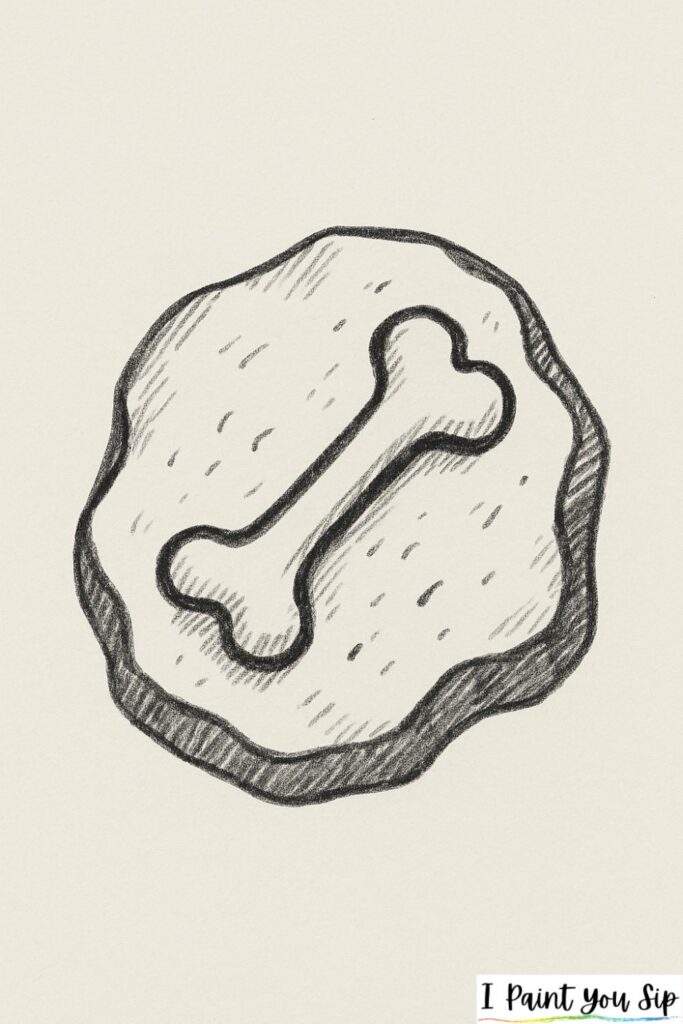
Outline a rock, then carve a bone or leaf pattern inside. Add shading to make it look like it’s been buried for centuries.
Fun twist: Hide a tiny snail or lizard peeking out.
#15: A Magnet and Paperclips

Draw a big horseshoe magnet and show it “pulling” little objects toward it. Practice curved lines to show motion, it’s a great mini physics lesson!
#16: A Chemical Beaker

Draw a clear glass container and fill it with bubbling liquid. Add steam, bubbles, and sparks for drama. You can even mix in fantasy colors, who says science can’t be magical?
#17: The Moon’s Phases

Sketch a series of circles showing the moon from full to new. It’s rhythmic, simple, and makes a lovely composition for your sketchbook.
#18: A Leaf Under a Microscope

Zoom in! Draw a leaf’s veins in large, branching lines, like a maze. Add tiny textures and dots to mimic cells. It’s both scientific and calming to create.
#19: A Scientist at Work
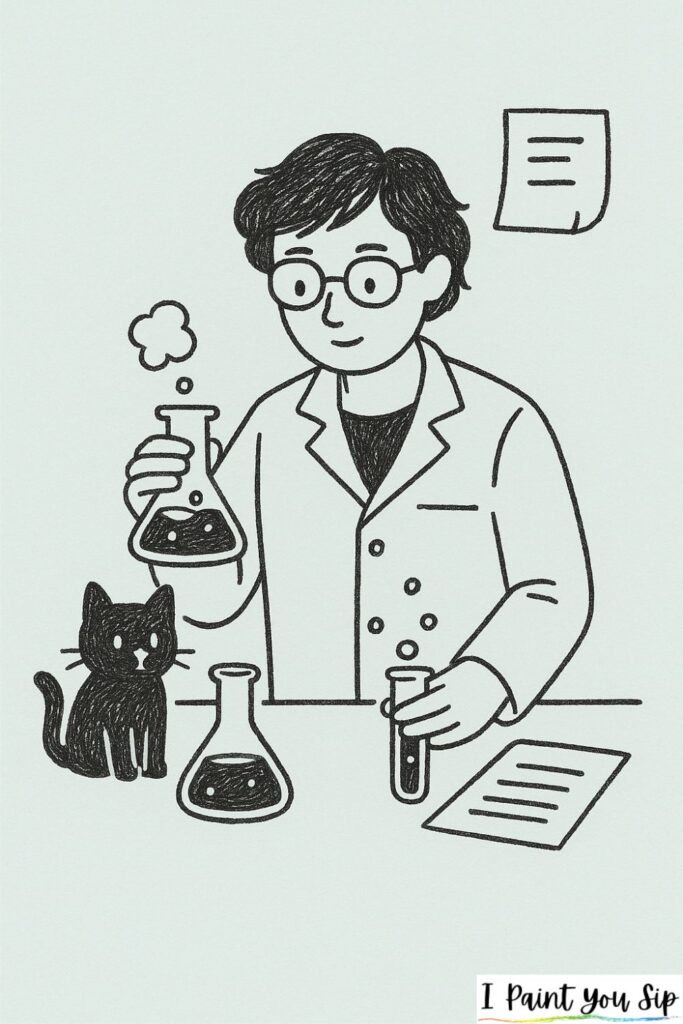
Draw a person in a lab coat surrounded by tools, beakers, notes, maybe even a pet cat assistant. You can make it realistic or cartoonish.
Pro tip: Use this one to celebrate curiosity and creativity, scientists and artists share that spark!
Final Thoughts
Science is everywhere, and drawing it helps you see the world through new eyes. Whether you’re sketching outer space, a bubbling beaker, or the veins of a leaf, you’re turning knowledge into art. Remember, it’s not about being perfect, it’s about playing, observing, and learning as you go.
So don’t stress if your volcano looks more like a cupcake or your DNA helix has a few twists too many. That’s part of the fun! Try mixing art and science in your next project, maybe paint a galaxy mug or doodle atoms on a tote bag.
Creativity and curiosity go hand in hand, so grab your pencil and let your imagination experiment!

Jessie has a passion for bringing people together through creativity and socializing. She has organized many painting events that have left guests with lasting memories and new friendships. She’s also been to various sip events to unleash her own creativity and connect with like-minded individuals.