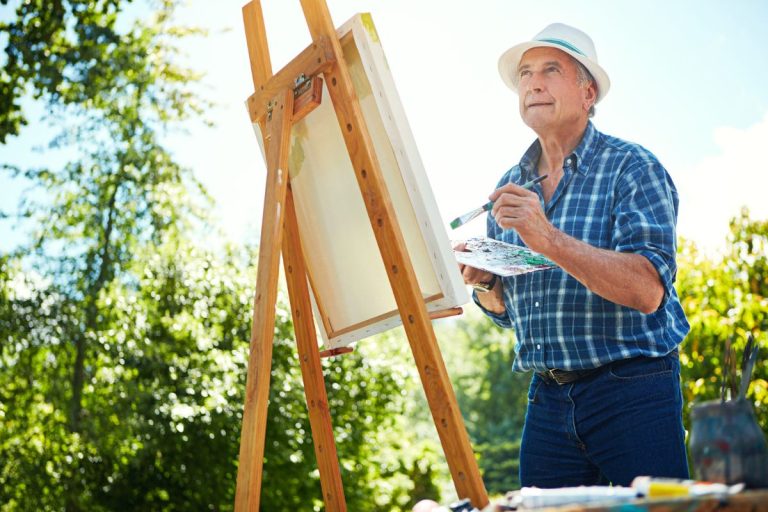
7 Watercolor Painting Tips to Help Improve Your Skills
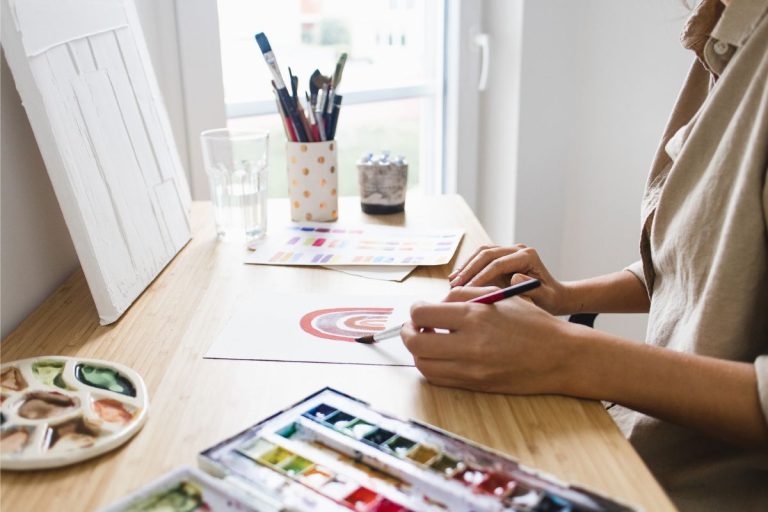
watercolor paint tips

Key takeaways Plan Your Composition: Before starting, sketch a thumbnail to determine the placement of your subject and preserve white areas, as watercolor lacks opaque white paint. Understand Water Control: Master the balance between water and pigment to achieve desired effects. Wet-on-wet techniques create soft blends, while wet-on-dry offers sharp edges. Layer Light to Dark: …
Read more

What is Watercolor Paint, and How is It Made?

watercolor paint

Key takeaways Many years ago, I tried my hand at acrylic painting, and I wasn’t happy with the results. Then, a few years ago, I decided I wanted to try painting again, but was nervous about working with acrylics. So, I thought I would just get back into drawing. An elderly lady I knew asked …

Read more

Oil Paint vs Acrylic Paint: Differences You Should Know

acrylic vs oil

Key Takeaways Drying Time: Acrylic paints dry rapidly, often within minutes, making them ideal for quick projects. In contrast, oil paints have a much slower drying time, allowing for extended blending and layering, but requiring more patience. Blending and Mixing: Oil paints offer superior blending capabilities due to their prolonged drying period, facilitating smooth transitions …

Read more

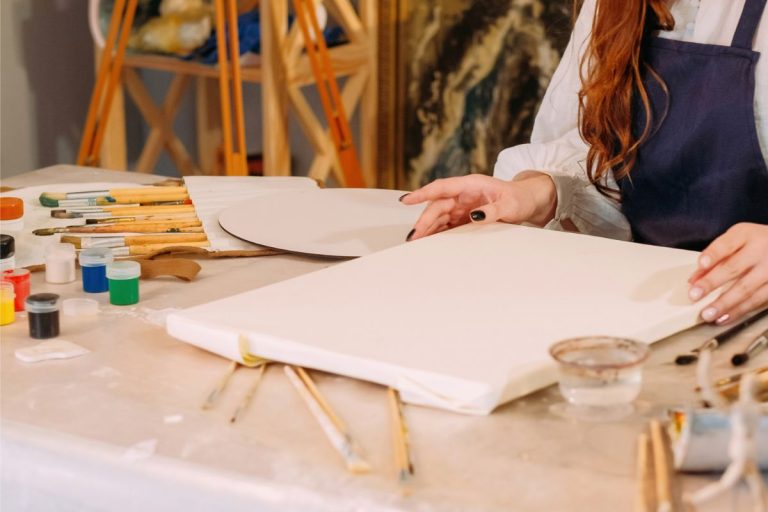
7 Acrylic Painting Techniques On Canvas

acrylic painting

Key takeaways Dry Brushing: Apply paint directly from the palette to a dry canvas without water. This technique creates textured, uneven strokes and is ideal for adding depth and dimension. Using older brushes can enhance the textured effect. Stippling: Use a round brush with even bristles to tap paint onto the canvas, creating patterns of …

Read more

8 Best Paint and Sip Alternatives to Elevate Your Social Gathering

paint and sip alternatives

Key takeaways Paint and wine events have become popular as social gatherings where participants can enjoy painting while sipping their favorite beverages.  These events typically involve an instructor guiding attendees through the process of creating their own artwork, providing a relaxed and enjoyable atmosphere for creative expression.  While these events have their charm, exploring other …

Read more

How Much Do Paint and Sip Teachers Make?

paint and sip instructor salary

Key takeaways Average Annual Earnings: Paint and sip instructors in the U.S. earn an estimated total annual pay of approximately $42,752, with a base salary around $40,017 and additional compensation (bonuses, tips, commissions) averaging $2,733. Per-Class Income Potential: Depending on class size and pricing, instructors can earn between $200 and $700 per session, making it …

Read more

How to Clean Up After Painting Party: Top Tips

clean up after painting

Key Takeaways Gather Essential Supplies: Before the event, prepare cleanup materials such as paper towels, wet wipes, trash bags, and containers for used brushes and palettes. Having these items readily available ensures a smoother cleanup process. Protect Surfaces: Cover tables and floors with drop cloths or plastic sheets to shield them from paint spills and …

Read more

Top 9 Paint And Sip Studios In Columbus OH United States

Do you find yourself in Columbus, Ohio, and longing for some imaginative recreation? If so, visit one of many paint and sip studios in Columbus.  Canvas, pottery, wood, glass, and more are just some of the surfaces that may be painted on at these workshops. Bring your food and beverages and spend a pleasant evening …

Read more

How to Make Oil Paints Dry Faster

dry oil painting faster

Key Takeaways Ensure Proper Ventilation: Painting in a well-ventilated, dry area with ample natural light facilitates the oxidation process, which is essential for oil paint to dry. Using a dehumidifier can further aid in speeding up drying times. Apply Controlled Heat: Exposing the painting to direct sunlight or increasing room temperature can accelerate drying. If …

Read more

How to Clean Oil Paint Brushes

clean oil paint brush

Key Takeaways Remove Excess Paint: Begin by wiping off as much paint as possible using a rag or paper towel. This step minimizes the amount of paint that needs to be cleaned from the bristles. Use a Solvent: Soak the brush in a container filled with a solvent like mineral spirits or turpentine. Swirl the …

Read more